View methods side by side.
Choose up to four methods. Add them using the search and share the comparison by copying its link.
| Criterion | 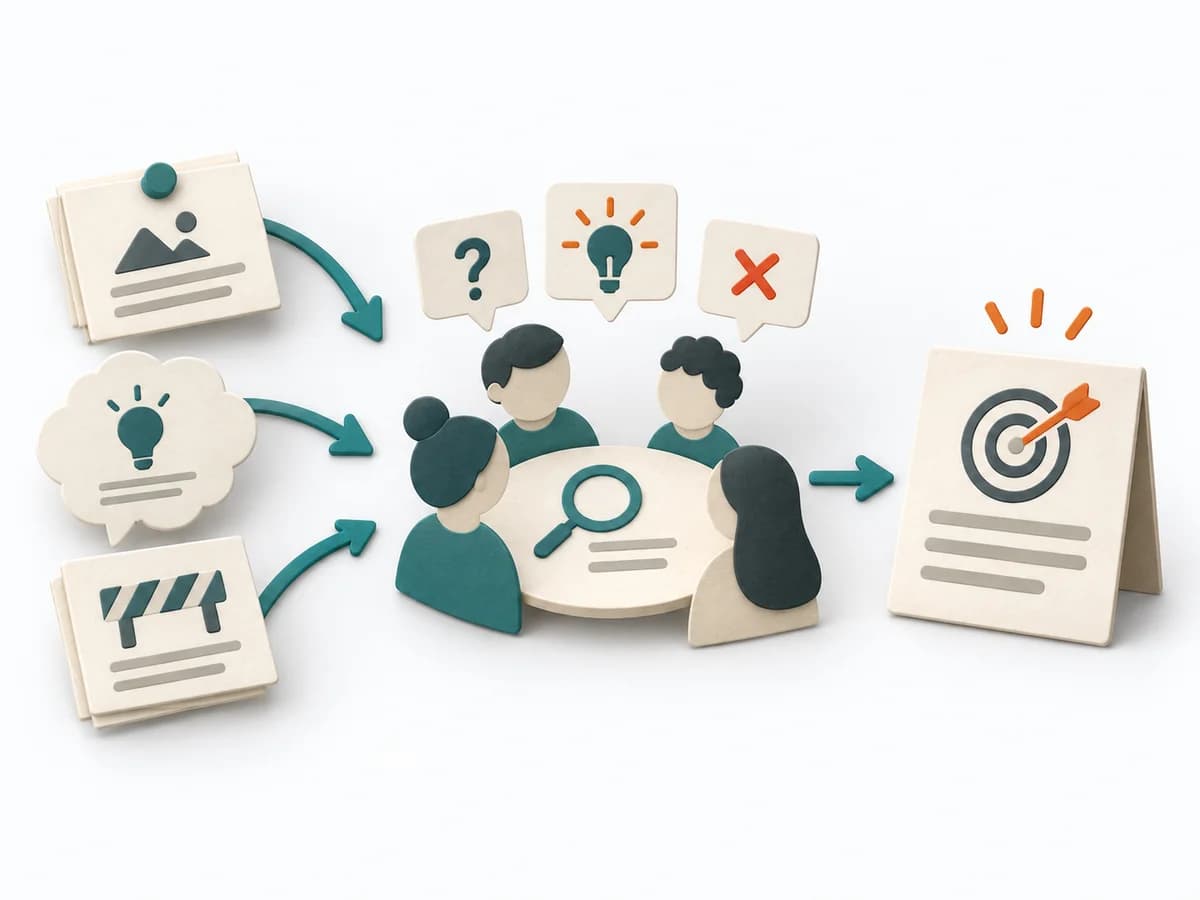 Facilitation Problem Framing Workshop | 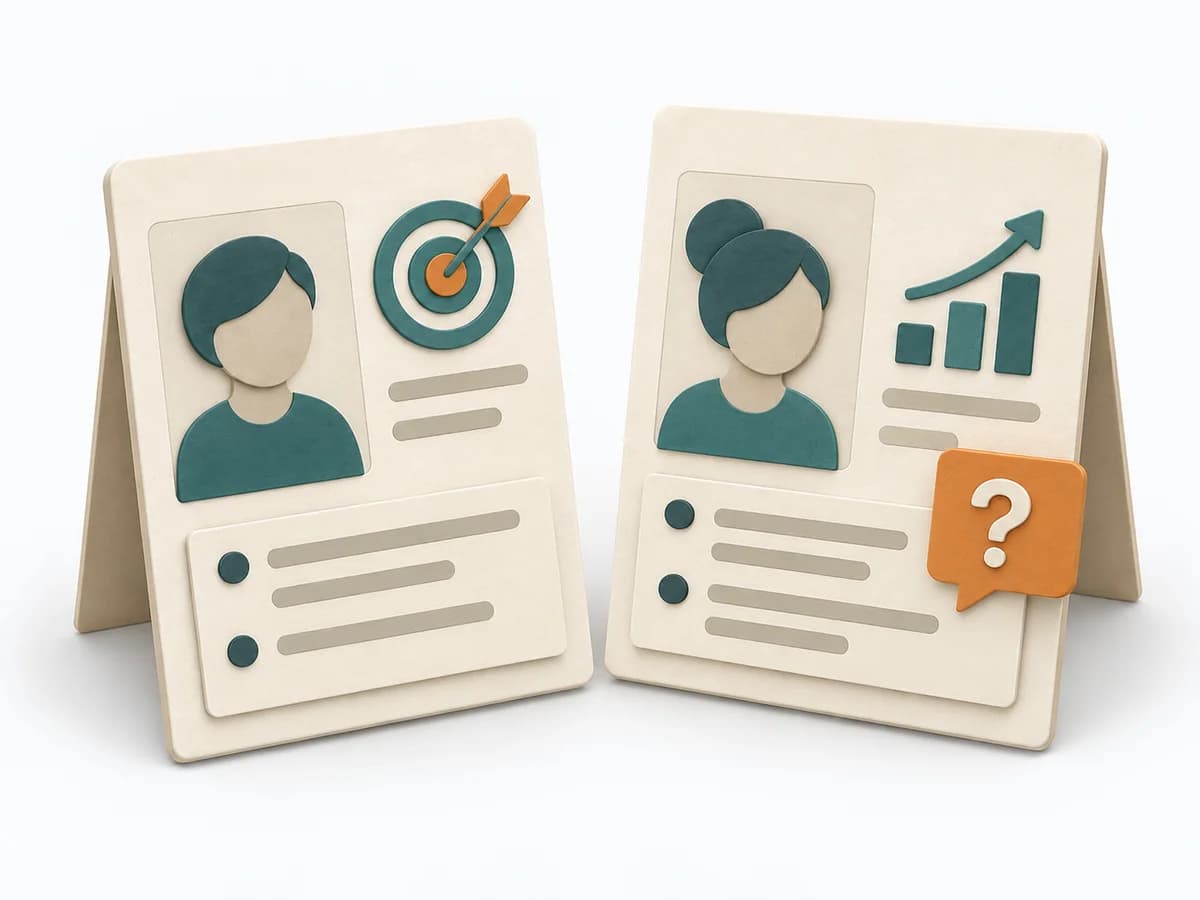 UX Research Personas | 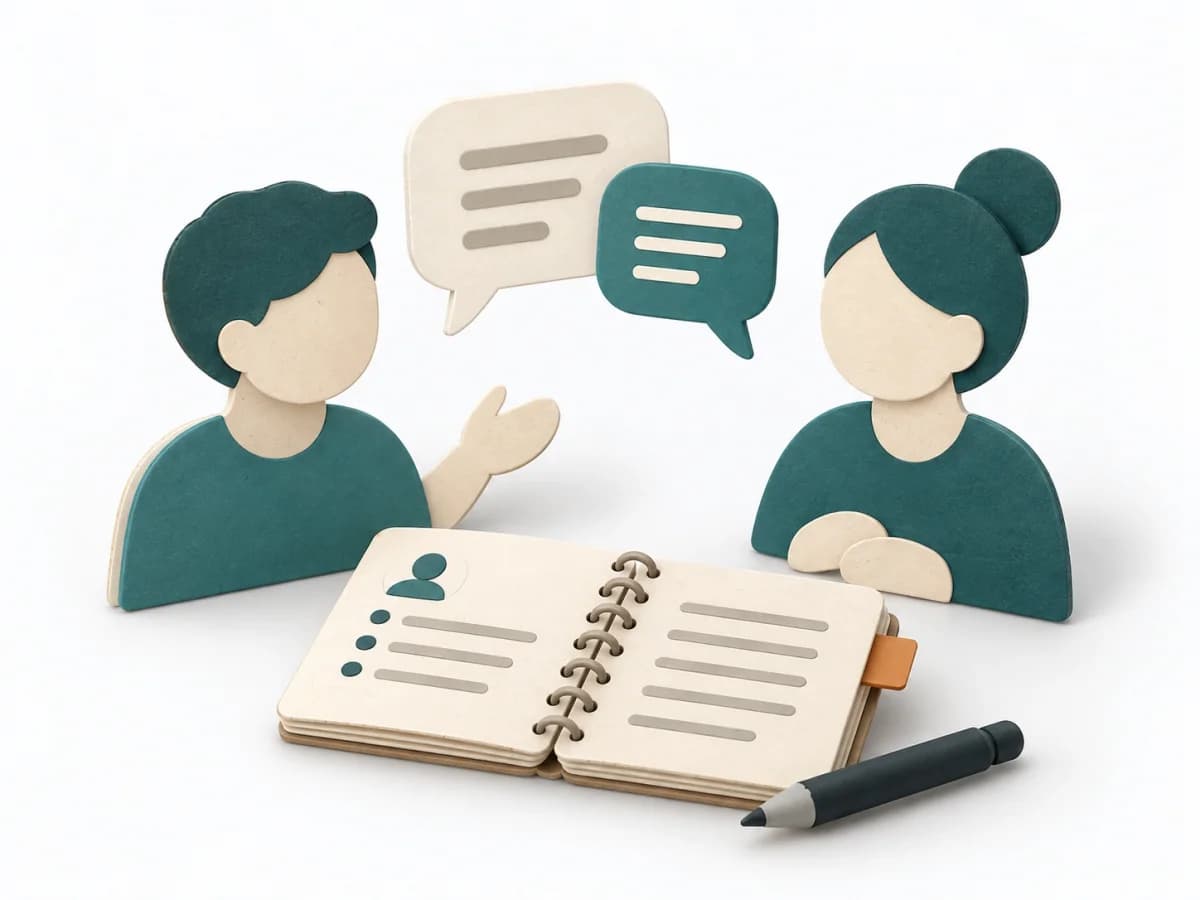 UX Research User Interviews |  Facilitation Alignment Mapping |
|---|---|---|---|---|
Purposedifferent | When a team works on symptoms but the real question stays fuzzy, a Problem Framing Workshop sharpens the view of the right problem. It separates observation, interpretation, and target picture from each other. | When target groups stay too vague and teams talk about the same people differently, personas create a shared, solid picture of usage. Condensed profiles make needs, contexts, and differences tangible enough for decisions. | When teams derive needs only from assumptions and real motives are missing, user interviews give direct access to behavior and meaning. Conversations from the target group's everyday life make patterns, tensions, and open questions solidly visible. | When several people work toward one goal but hold different mental maps, Alignment Mapping makes the discrepancies visible. It arranges goals, assumptions, and priorities so shared direction becomes verifiable. |
Complexitydifferent | Low | Medium | Low | Medium |
Timedifferent | 60-120 min | 1-3 Tage | 30–60 min per interview | 1-2 h |
Participantsdifferent | 4-10 | Internes Team | 1 participant per interview | 4-12 |
Formatdifferent | Workshop | Workshop + async | Workshop + async | Workshop |
Outputdifferent | Problem Statement, Scope Boundaries, Assumption List, Next Analysis Questions | Persona Profiles, Needs Summary, Scenario Notes | Interview Notes, Themes, Insight Summary | Alignment Map, Open Issues, Decision Questions |
Tagsno overlap | FacilitationAlignmentDiscovery | ResearchCustomerSynthesis | QualitativeResearchCustomerDiscovery | AlignmentStakeholdersStrategyFacilitation |