View methods side by side.
Choose up to four methods. Add them using the search and share the comparison by copying its link.
| Criterion |  Product Discovery Pretotyping | 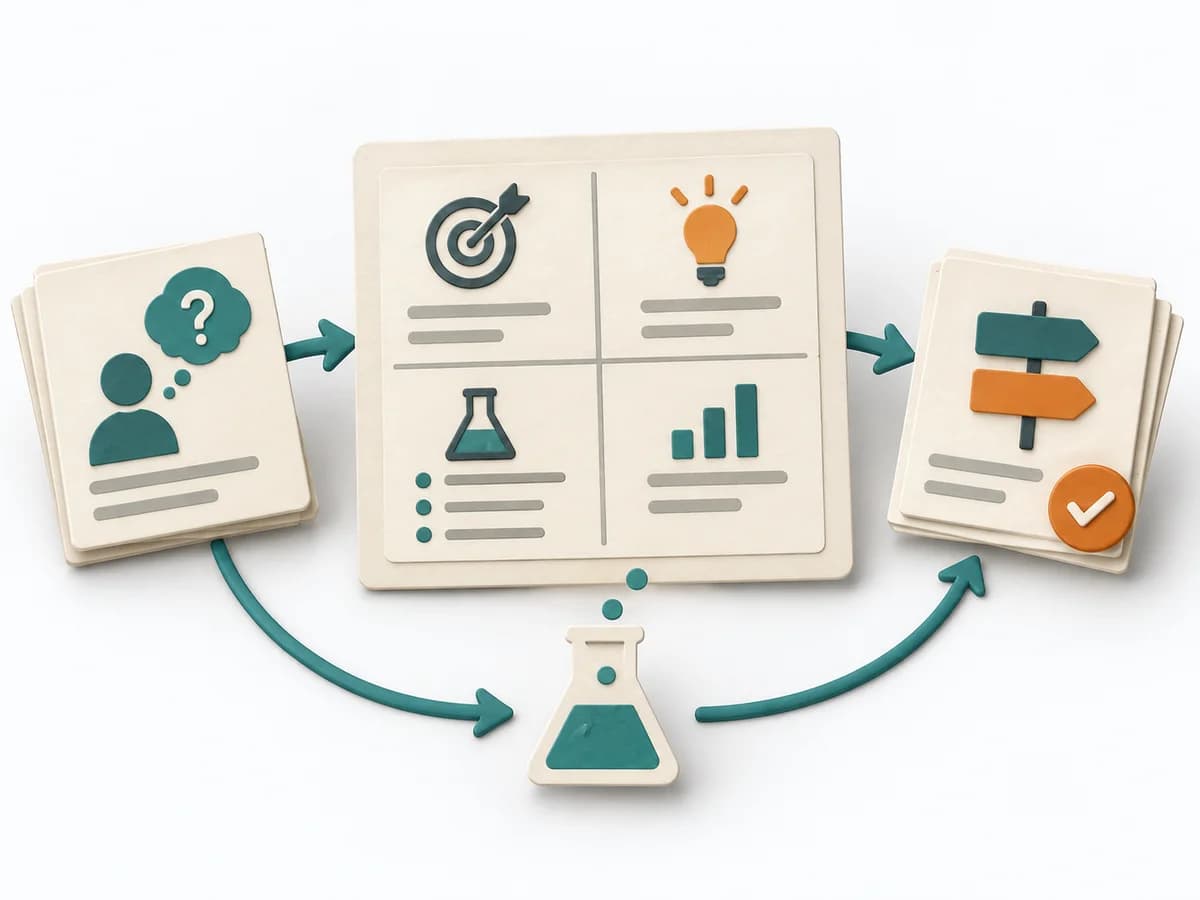 Product Discovery Experiment Canvas | 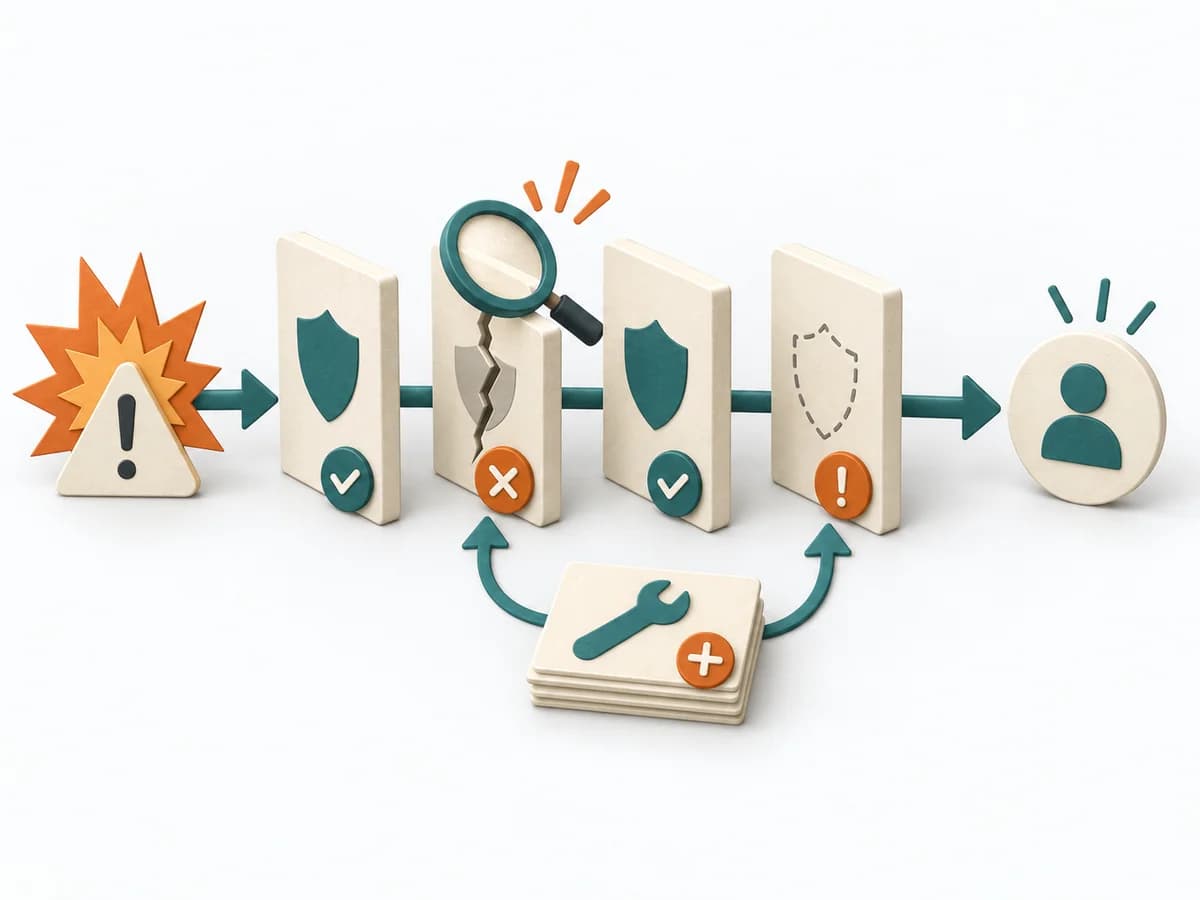 Operations Barrier Analysis | 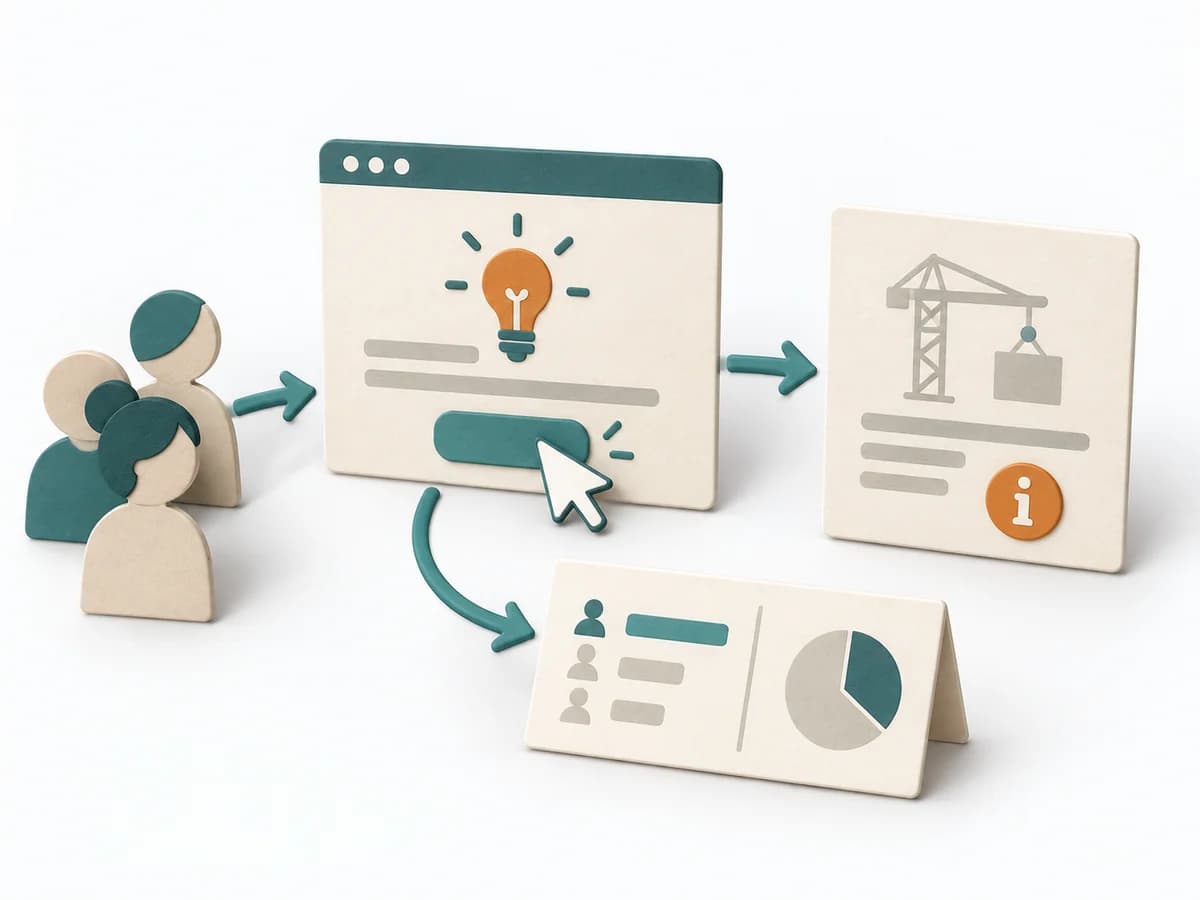 Product Discovery Fake Door Test |
|---|---|---|---|---|
Purposedifferent | Pretotyping clarifies whether a customer problem and solution idea create enough real demand. It separates problem, assumption, solution, and evidence, and captures the result as a pretotyping sketch, test setup, and conversion data. | When experiments become unreadable after the fact, it arranges hypothesis, signal, and learning goal on a single canvas. It separates problem, assumption, solution, and evidence. The result is captured as a Completed Experiment Canvas and a Success Metric. | For a risk that can only be managed through multiple layers of protection, the method examines the effectiveness of each barrier. It shows where safeguards are missing, too weak, or fail under real conditions. | When demand is still unclear, it measures interest in a feature before it is built. It separates real behavior from polite agreement and deliberately keeps build effort small. |
Complexitydifferent | Low | Low | Medium | Medium |
Timedifferent | Stunden bis wenige Tage | 30-60 min | 2-4 h | 1-5 Tage |
Participantsdifferent | 1-4 | 1-5 | 2-6 | Nutzertraffic |
Formatdifferent | Workshop + async | Workshop + async | Workshop + async | Async |
Outputdifferent | Pretotyping sketch, Test setup, Conversion data, Go or no-go decision | Completed Experiment Canvas, Success Metric | Barrier Inventory, Failure Analysis per Barrier, Action Backlog | Click Data, Interest Signal, Learning Decision |
Tagsno overlap | ValidationDemandMVP | ExperimentsValidationDiscoveryHypothesis | Root causeSafetyIncident | ValidationExperimentsDemandDiscovery |