View methods side by side.
Choose up to four methods. Add them using the search and share the comparison by copying its link.
| Criterion | 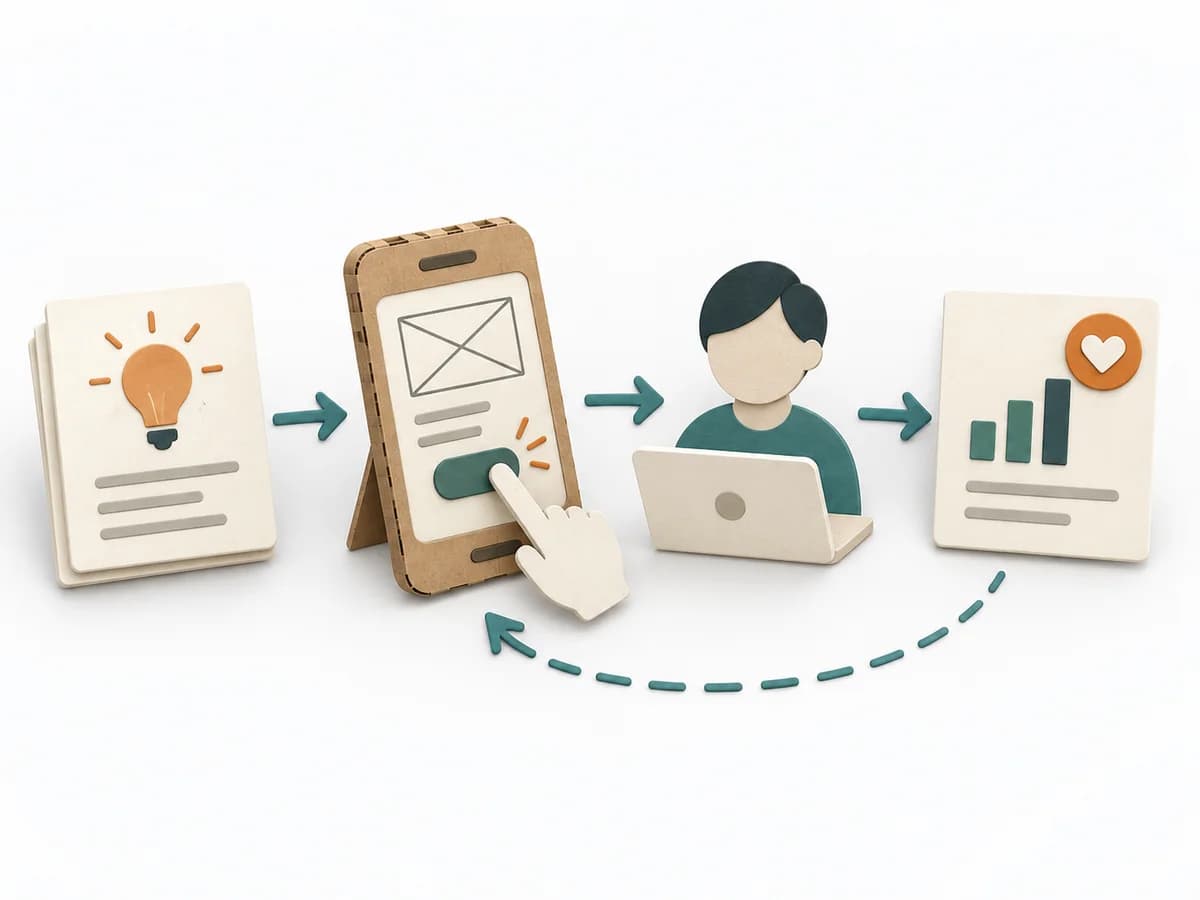 Product Discovery Pretotyping | 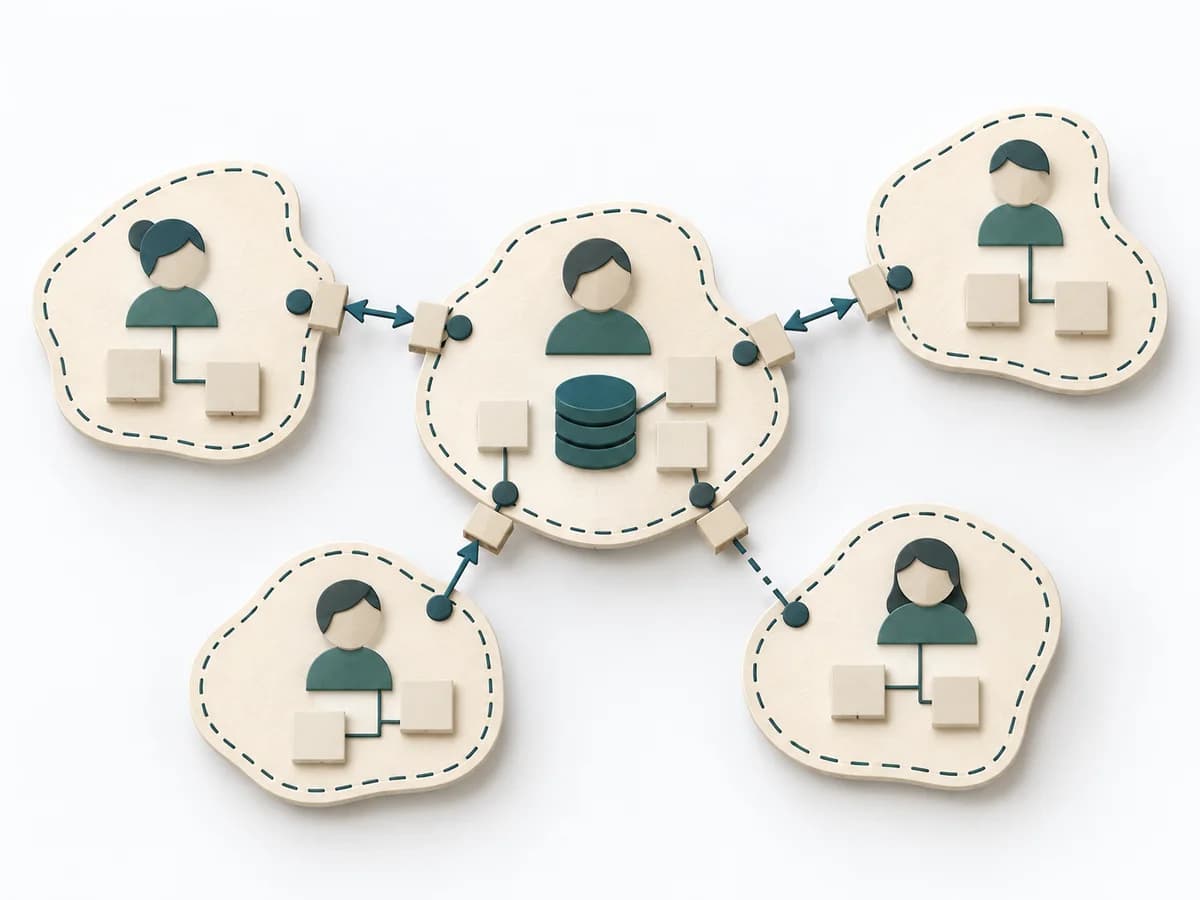 Domain Modeling Domain Context Map | 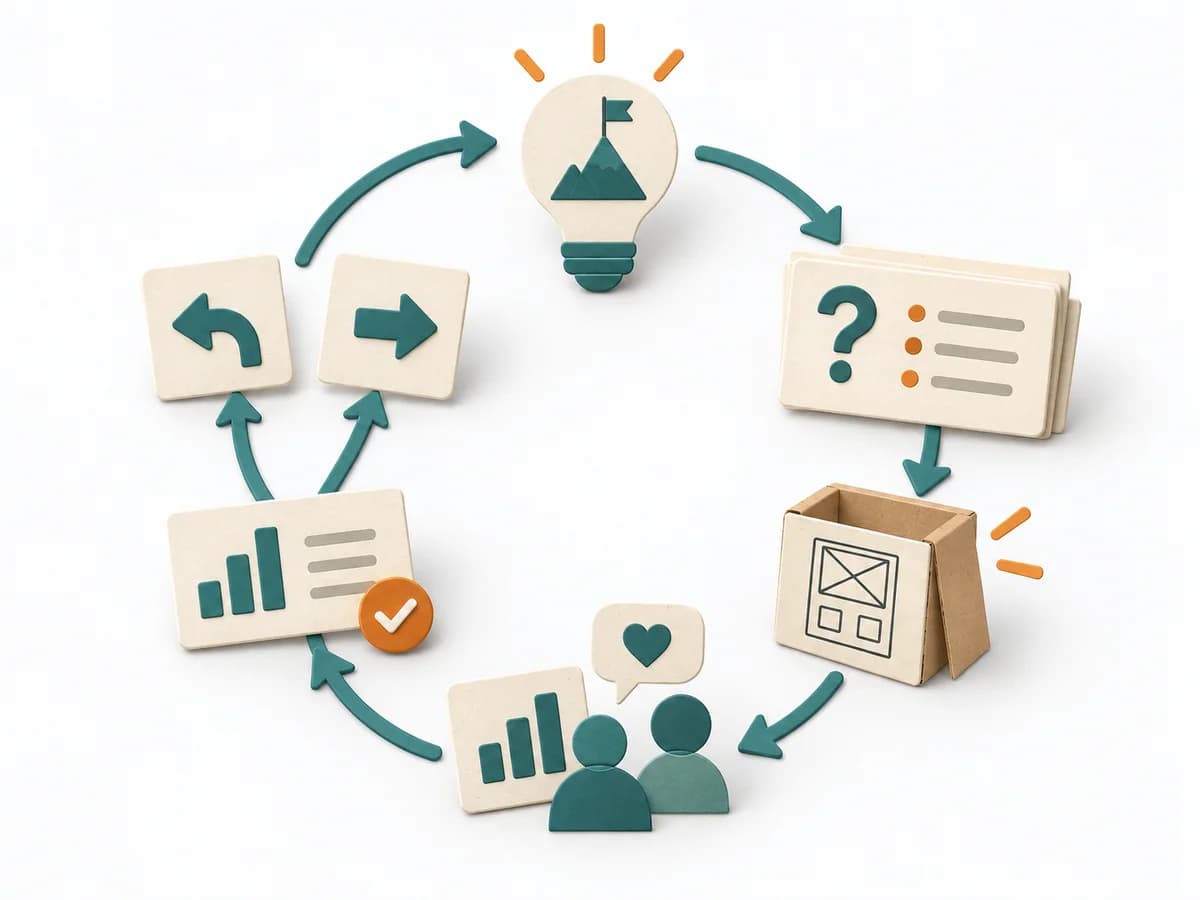 Innovation Lean Startup | 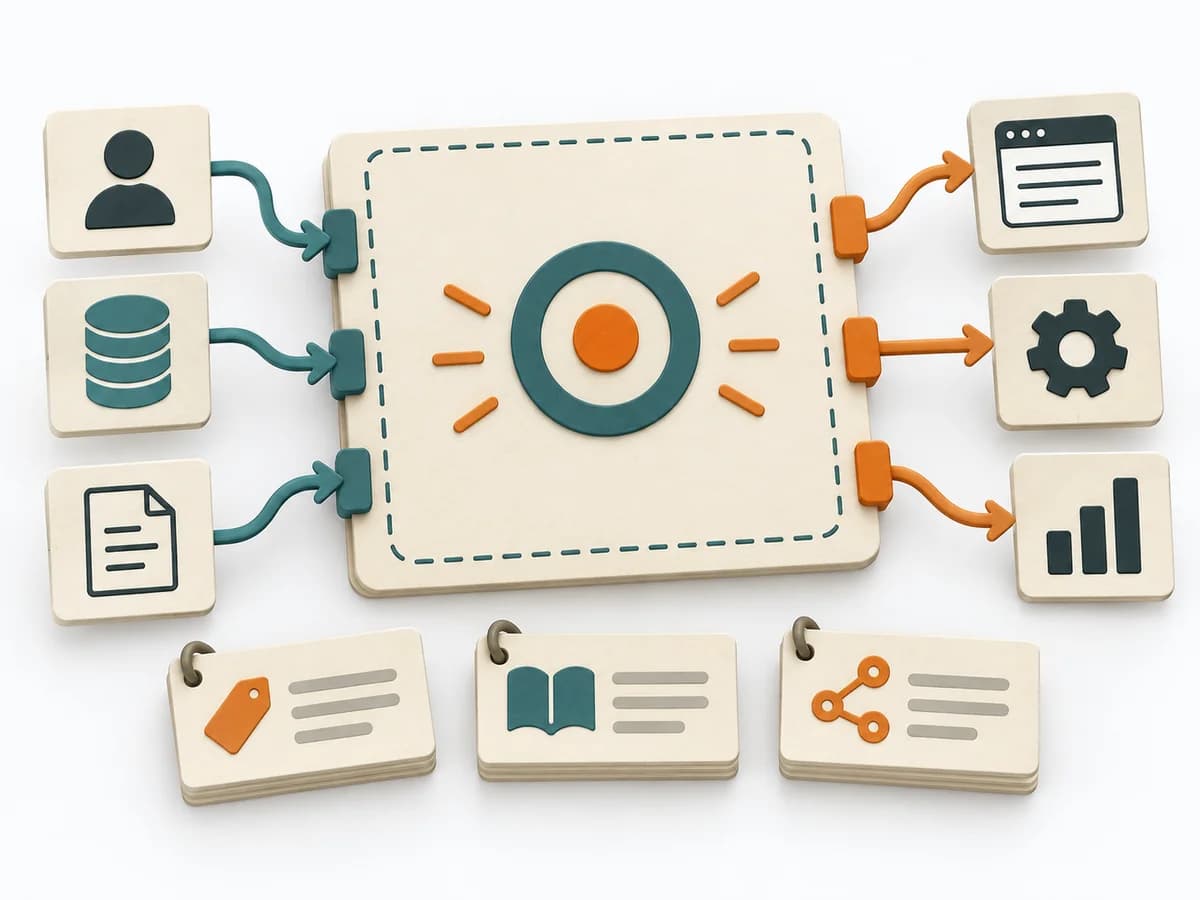 Domain Modeling Bounded Context Canvas |
|---|---|---|---|---|
Purposedifferent | Pretotyping clarifies whether a customer problem and solution idea create enough real demand. It separates problem, assumption, solution, and evidence, and captures the result as a pretotyping sketch, test setup, and conversion data. | When a domain model and its associated contexts need to be thought through together, it creates a shared overview. It connects the business view and organizational boundary into a readable whole. | For uncertain business assumptions, the method forces the idea into contact with real market reactions early. It separates wishful picture, assumption, and observable behavior, so that learning becomes faster than planning. This translates uncertainty into measurable insight. | When a business context is still loosely outlined, it shapes language, responsibility, and integration space. It clarifies what belongs together and where a boundary needs to hold. |
Complexitydifferent | Low | Medium | Medium | Medium |
Timedifferent | Stunden bis wenige Tage | 1-3 h | Wochen bis Monate je Lernzyklus | 1-3 h |
Participantsdifferent | 1-4 | 3-10 | 2-8 | 3-8 |
Formatdifferent | Workshop + async | Workshop | Workshop + async | Workshop + async |
Outputdifferent | Pretotyping sketch, Test setup, Conversion data, Go or no-go decision | Domain Context Map, Boundary Notes, Ownership Map | Hypothesis list, MVPs, Learning reports, Pivot or persevere decision | Context Canvas, Glossary, Integration Notes |
Tagsno overlap | ValidationDemandMVP | Domain-Driven DesignContextBoundaries | LeanStartupValidationMVP | Domain-Driven DesignBoundariesModeling |