View methods side by side.
Choose up to four methods. Add them using the search and share the comparison by copying its link.
| Criterion |  Systems Thinking Polarity Mapping | 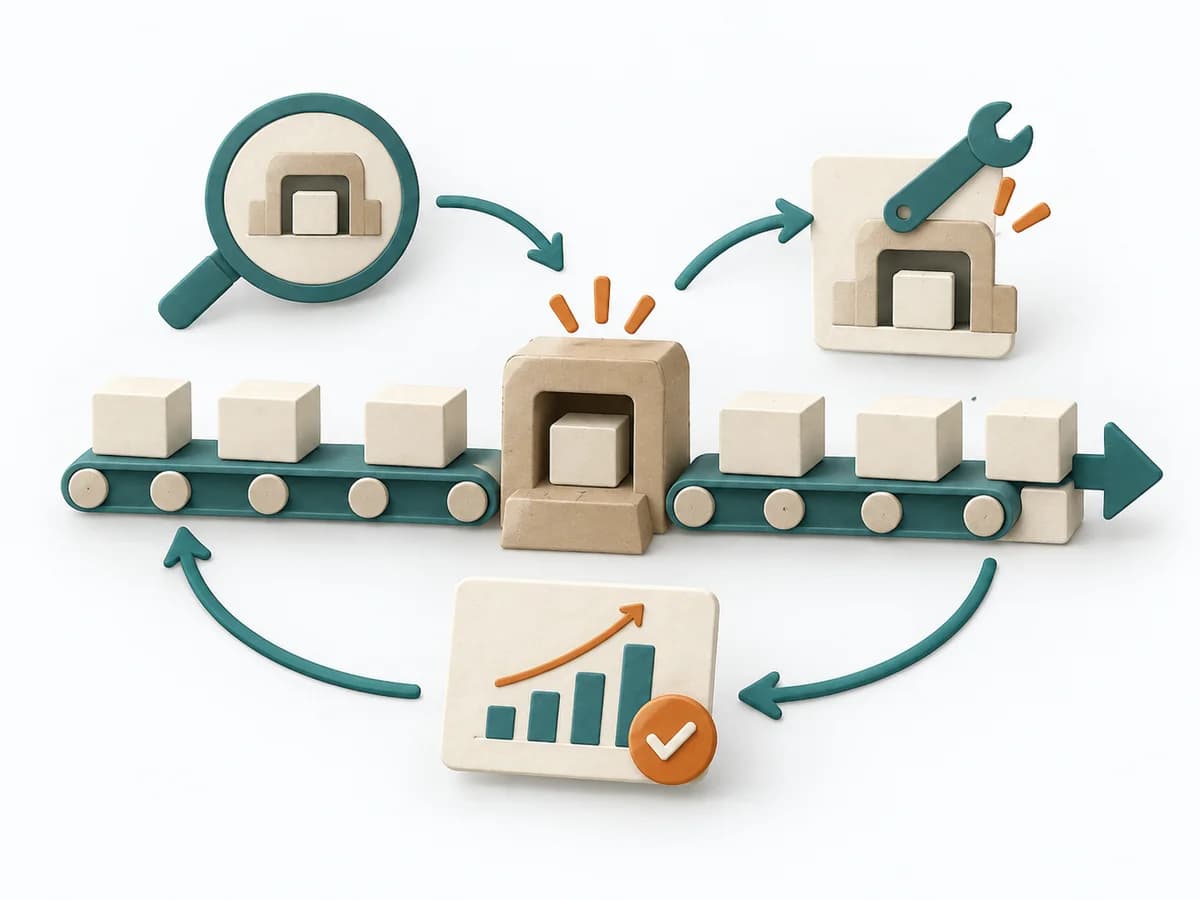 Operations Theory of Constraints |  Operations Causal Factor Analysis |  Operations After-Action Review |
|---|---|---|---|---|
Purposedifferent | Polarity Mapping makes tensions between two opposing poles tangible, such as standardization and adaptation or control and autonomy. The method guards against making apparent either-or decisions prematurely. | For a system that does not get faster despite effort, the method directs attention to the bottleneck. It concentrates improvement on the point that actually limits throughput. | For an event with a complicated course, the method breaks down the contributing factors along the timeline. It shows how conditions, decisions, and reactions together produce a course of events. | After missions or project phases with unclear outcomes, the method makes visible what actually happened and what can be learned from it. It separates course, effect, and causes so experience turns into solid improvement. |
Complexitydifferent | Medium | High | High | Low |
Timedifferent | 1-2 h | 2-4 h Analyse, laufend | 2-6 h | 20-45 min |
Participantsdifferent | 3-12 | 3-12 | 3-10 | 3-12 |
Formatdifferent | Workshop | Workshop + async | Workshop + async | Workshop + async |
Outputdifferent | Polarity Map, Warning Signs, Balance Actions | Constraint Map, Improvement Plan, Flow Metrics | Event Timeline, Causal Factor Chart, Cause List, Corrective Actions | Lessons learned, Action items, Event summary |
Tagsno overlap | Systems thinkingTradeoffsLeadership | OperationsConstraintsFlowImprovement | CausalityIncidentRoot causeTimeline | LearningOperationsImprovement |