View methods side by side.
Choose up to four methods. Add them using the search and share the comparison by copying its link.
| Criterion |  Systems Thinking Polarity Mapping |  Agile Sprint Retrospective |  Operations Learning Review | 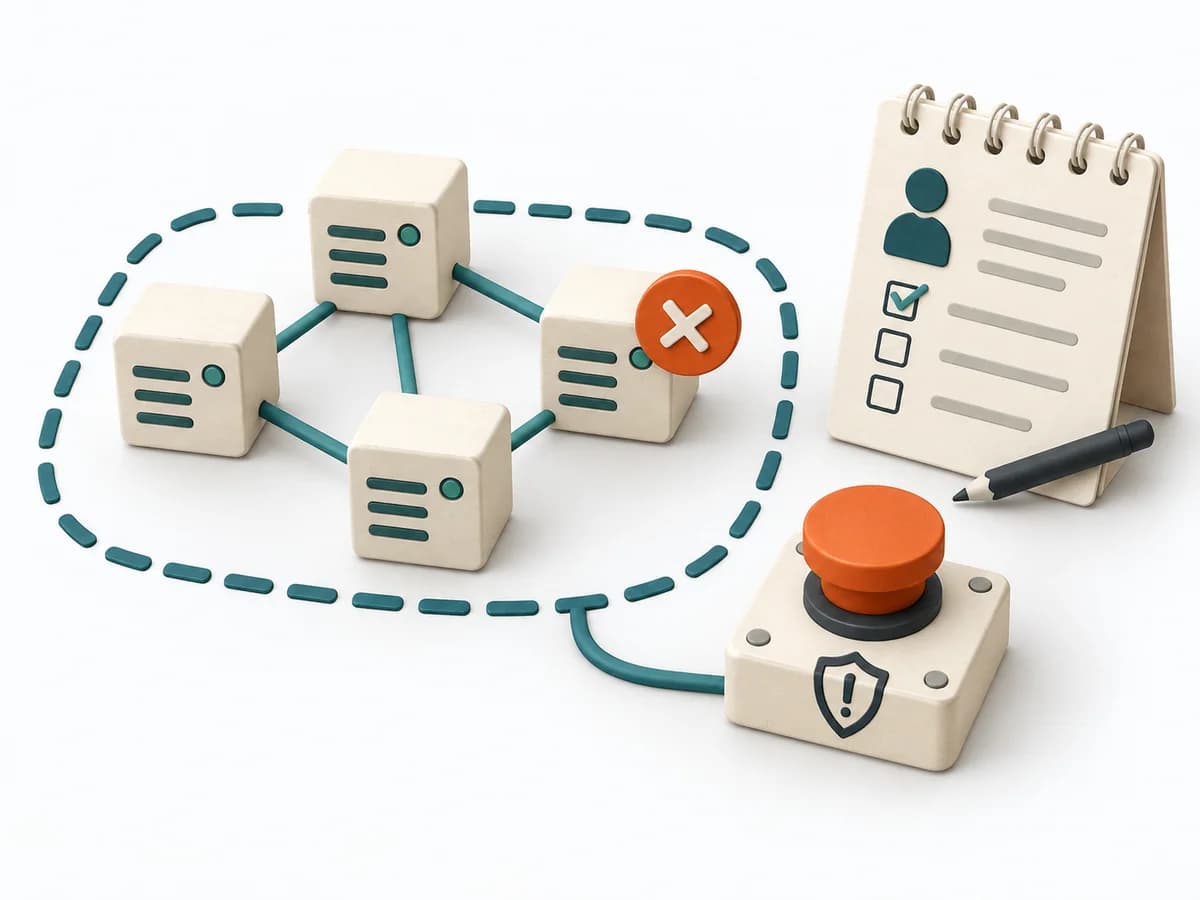 DevOps Game Day |
|---|---|---|---|---|
Purposedifferent | Polarity Mapping makes tensions between two opposing poles tangible, such as standardization and adaptation or control and autonomy. The method guards against making apparent either-or decisions prematurely. | When a sprint is over and friction shouldn't simply be carried forward, it opens the view onto collaboration and patterns. It creates space to see causes and changes together. | After a project phase with mixed results, the method makes learning from the individual case reusable. It connects events, decisions, and systemic conditions into robust insights. | In preparing for rare incidents, the method tests response capability under controlled conditions. It shows where assumptions about stability, roles, and recovery are too optimistic. |
Complexitydifferent | Medium | Low | Medium | High |
Timedifferent | 1-2 h | Up to 3 hours for a one-month Sprint; shorter Sprints are usually shorter | 1-3 h | Halber Tag |
Participantsdifferent | 3-12 | Scrum Team | 3-10 | 5-20 |
Formatsame | Workshop | Workshop | Workshop | Workshop |
Outputdifferent | Polarity Map, Warning Signs, Balance Actions | Improvement actions, Team agreements | Learning Review Notes, System Factors, Improvement Actions | Simulation Notes, Gaps List, Updated Runbooks |
Tagsno overlap | Systems thinkingTradeoffsLeadership | RetrospectiveImprovementLearning | LearningRetrospectiveIncidentOperations | ResilienceOperationsIncident |