View methods side by side.
Choose up to four methods. Add them using the search and share the comparison by copying its link.
| Criterion |  Systems Thinking Polarity Mapping |  Agile Specification by Example | 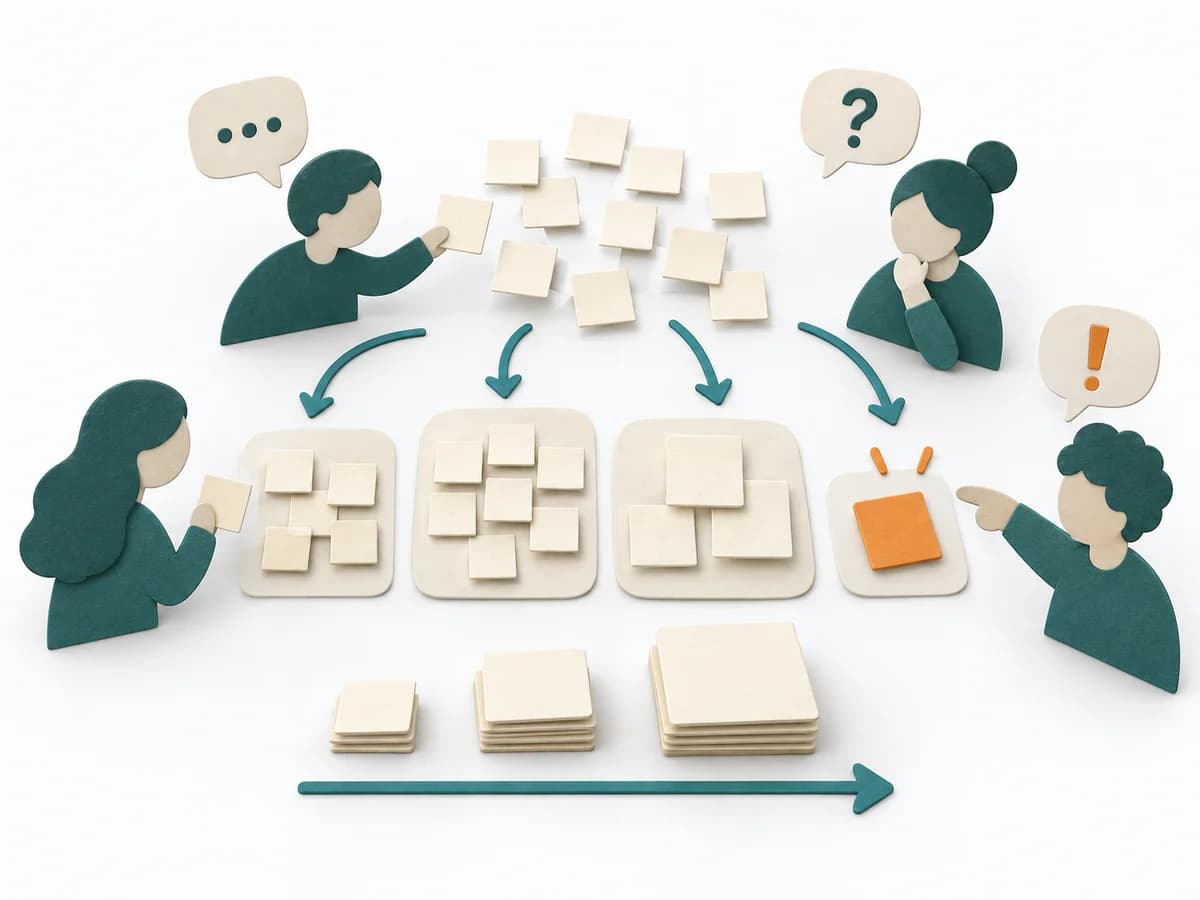 Agile Affinity Estimation | 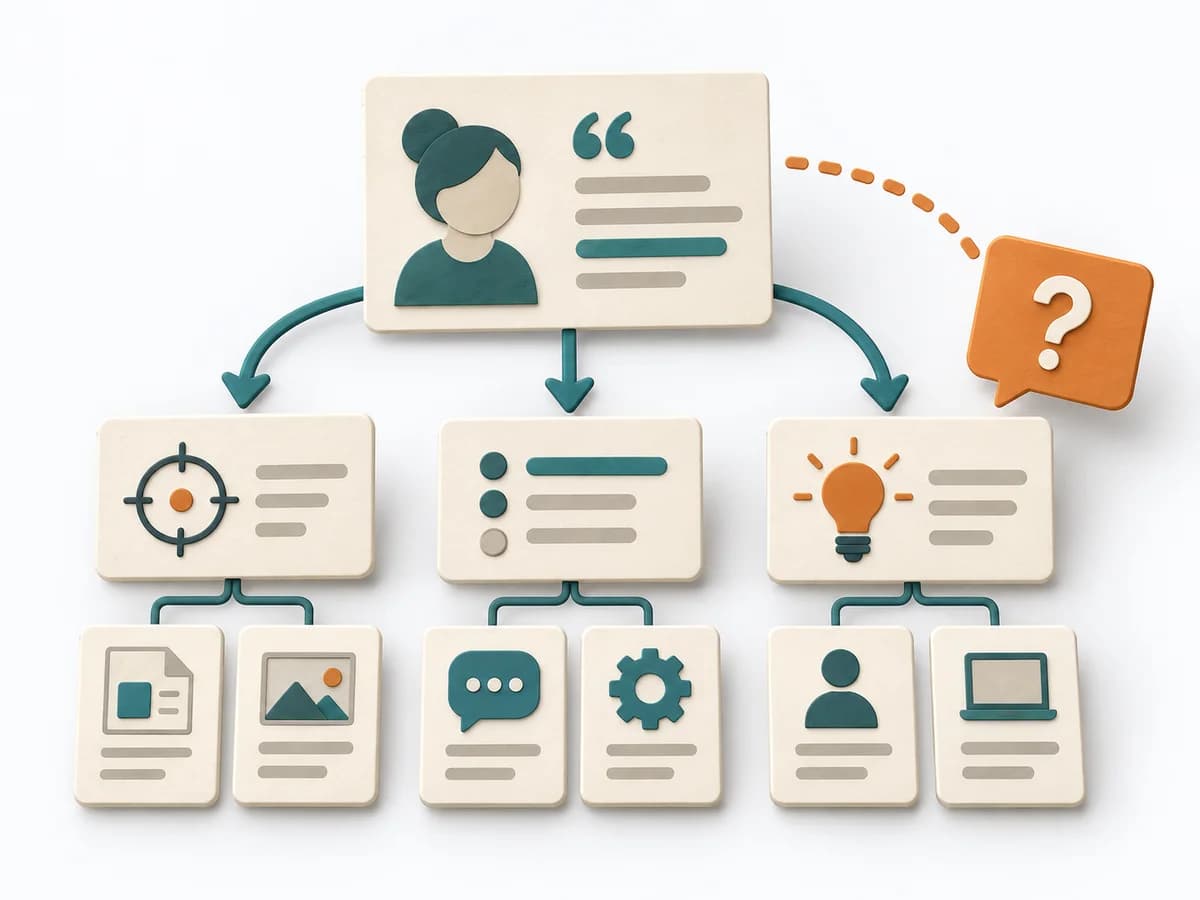 Agile Example Mapping |
|---|---|---|---|---|
Purposedifferent | Polarity Mapping makes tensions between two opposing poles tangible, such as standardization and adaptation or control and autonomy. The method guards against making apparent either-or decisions prematurely. | When business rules need to become precise, it ties language, example, and test together. It sorts work by value, risk, and delivery ability. The result is captured as an Example Table and Acceptance Tests. | When many tasks need to be classified quickly, it sorts them by perceived effort and similarity. It reduces the effort of fine-grained estimation for large volumes. | When a story carries business rules and exceptions, it brings clarity before implementation. It makes examples, open questions, and boundaries visible enough that the logic becomes jointly sound. |
Complexitydifferent | Medium | Medium | Medium | Low |
Timedifferent | 1-2 h | 60-90 min pro Feature | 30-90 min | 30-60 min |
Participantsdifferent | 3-12 | 3-6 | 3-12 | 3-7 |
Formatsame | Workshop | Workshop | Workshop | Workshop |
Outputdifferent | Polarity Map, Warning Signs, Balance Actions | Example Table, Acceptance Tests | Affinity Size Map, Grouped Estimates, Unclear Items | Example Map, Acceptance Criteria, Open Questions |
Tagsno overlap | Systems thinkingTradeoffsLeadership | AgileRequirementsExamplesBehavior-Driven Development | EstimationBacklogRelative sizing | Behavior-Driven DevelopmentRequirementsExamplesRefinement |