View methods side by side.
Choose up to four methods. Add them using the search and share the comparison by copying its link.
| Criterion |  Systems Thinking Polarity Mapping | 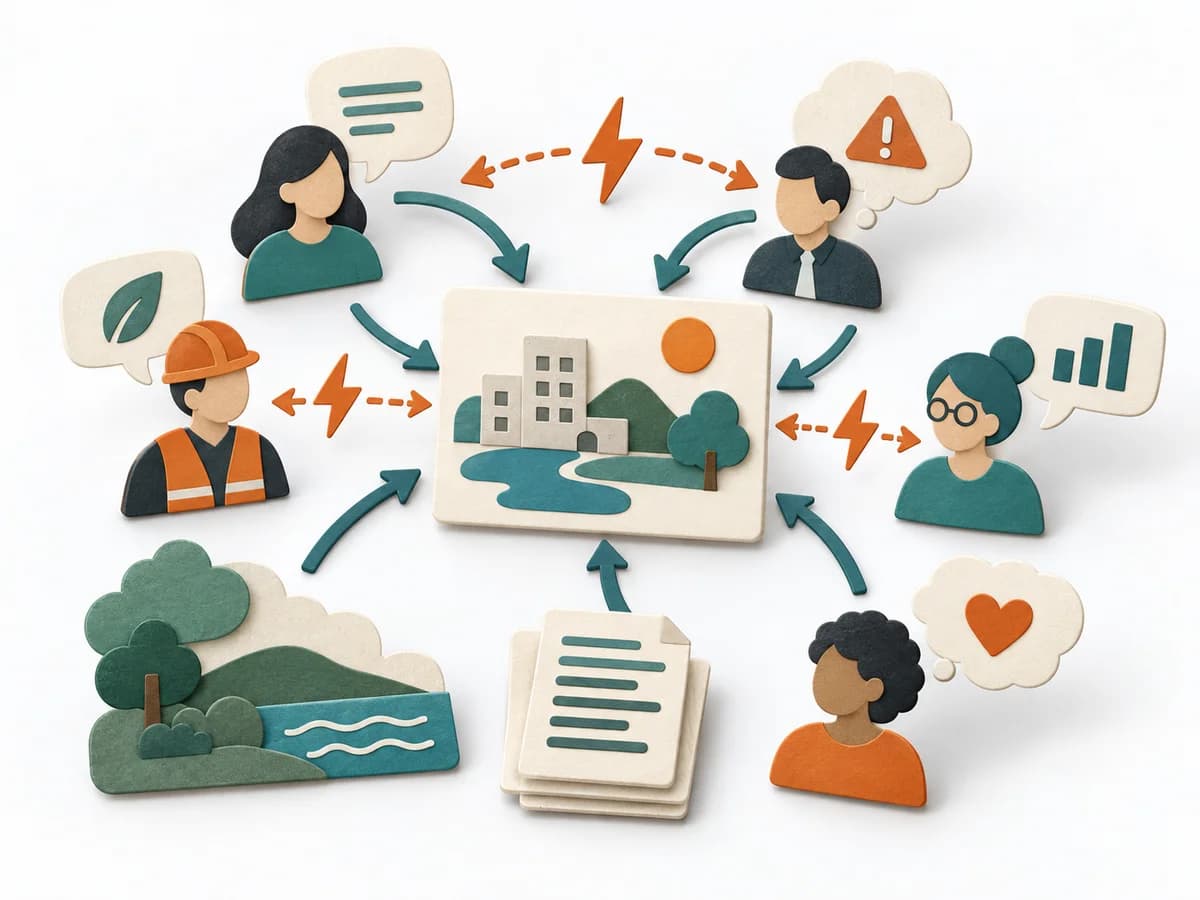 Systems Thinking Rich Picture | 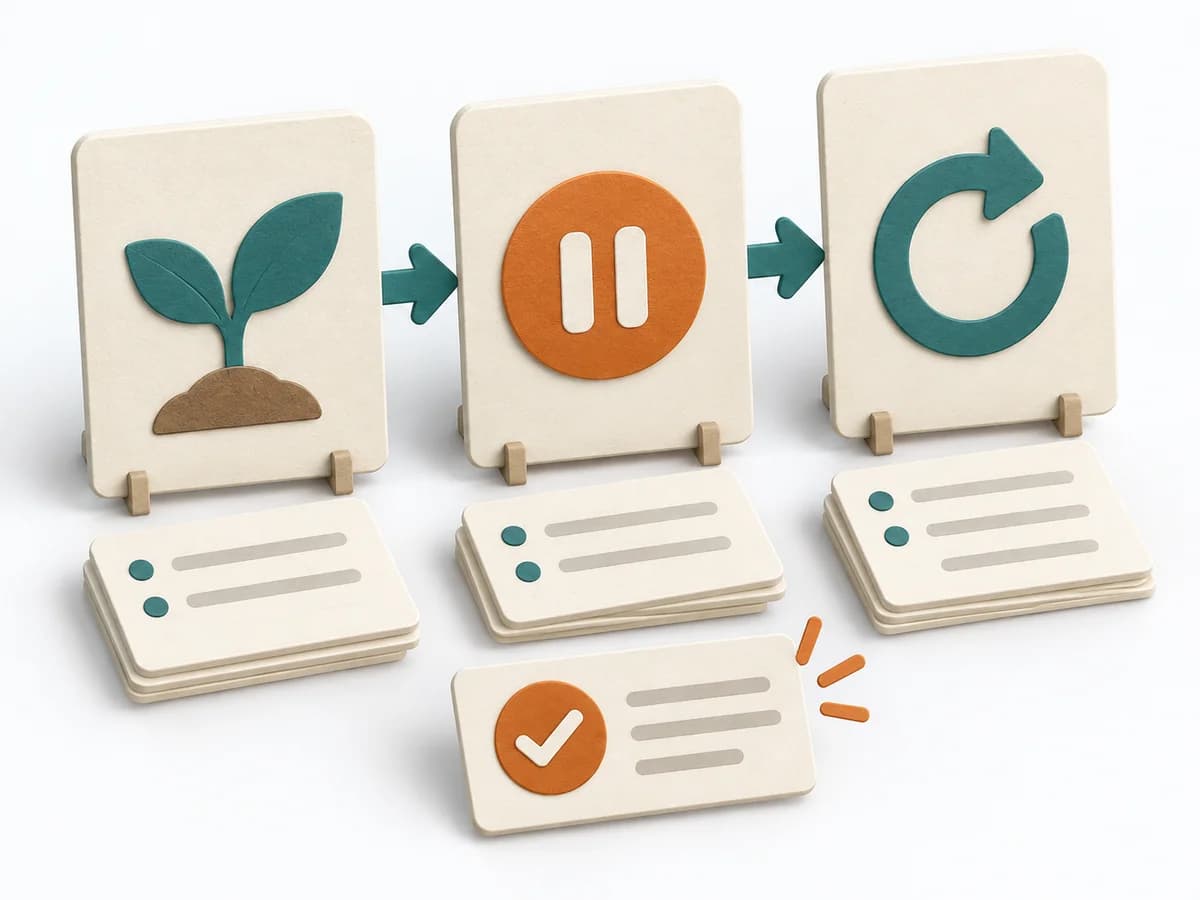 Agile Start Stop Continue | 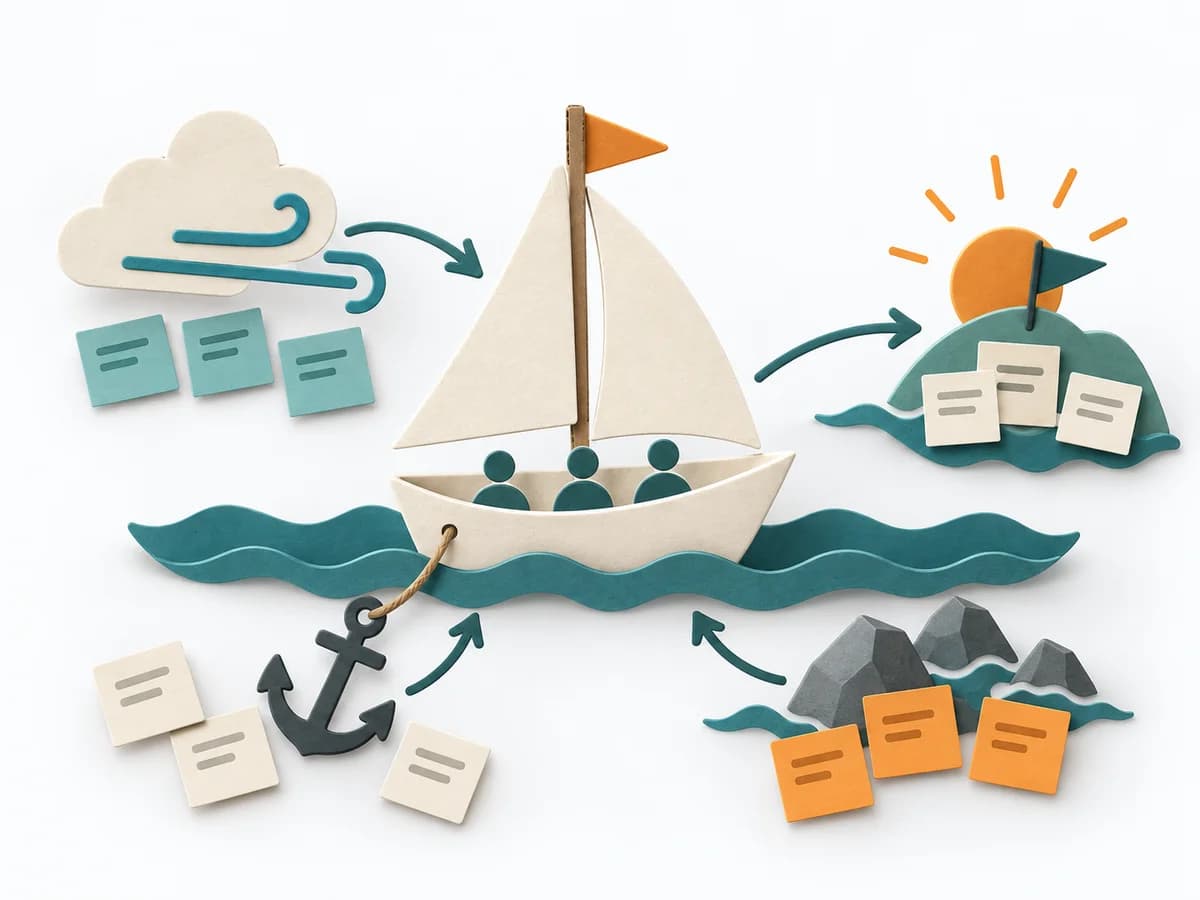 Agile Sailboat Retrospective |
|---|---|---|---|---|
Purposedifferent | Polarity Mapping makes tensions between two opposing poles tangible, such as standardization and adaptation or control and autonomy. The method guards against making apparent either-or decisions prematurely. | A Rich Picture brings an unclear situation onto a shared drawing. It captures actors, tensions, information flows, and blind spots before the team jumps to solutions too early. | When a team wants to deliberately adjust its working behavior, it makes habits visible and assessable. It focuses on concrete changes instead of diffuse mood. | When a team wants to read momentum, brakes, and risks together, it offers an easily understandable picture of the situation. It makes drive, obstacles, and headwind visible in the same picture. |
Complexitydifferent | Medium | Low | Low | Low |
Timedifferent | 1-2 h | 30-90 min | 30-60 min | 45-90 min |
Participantsdifferent | 3-12 | 2-10 | 3-12 | 4-12 |
Formatsame | Workshop | Workshop | Workshop | Workshop |
Outputdifferent | Polarity Map, Warning Signs, Balance Actions | Rich Picture, Problem Framing Notes | Start Stop Continue Board, Improvement Actions | Sailboat Board, Risks, Improvement Actions |
Tagsno overlap | Systems thinkingTradeoffsLeadership | Systems thinkingSoft systemsFramingVisualization | RetrospectiveImprovementTeamReflection | RetrospectiveTeamImprovement |