View methods side by side.
Choose up to four methods. Add them using the search and share the comparison by copying its link.
| Criterion |  Systems Thinking Polarity Mapping | 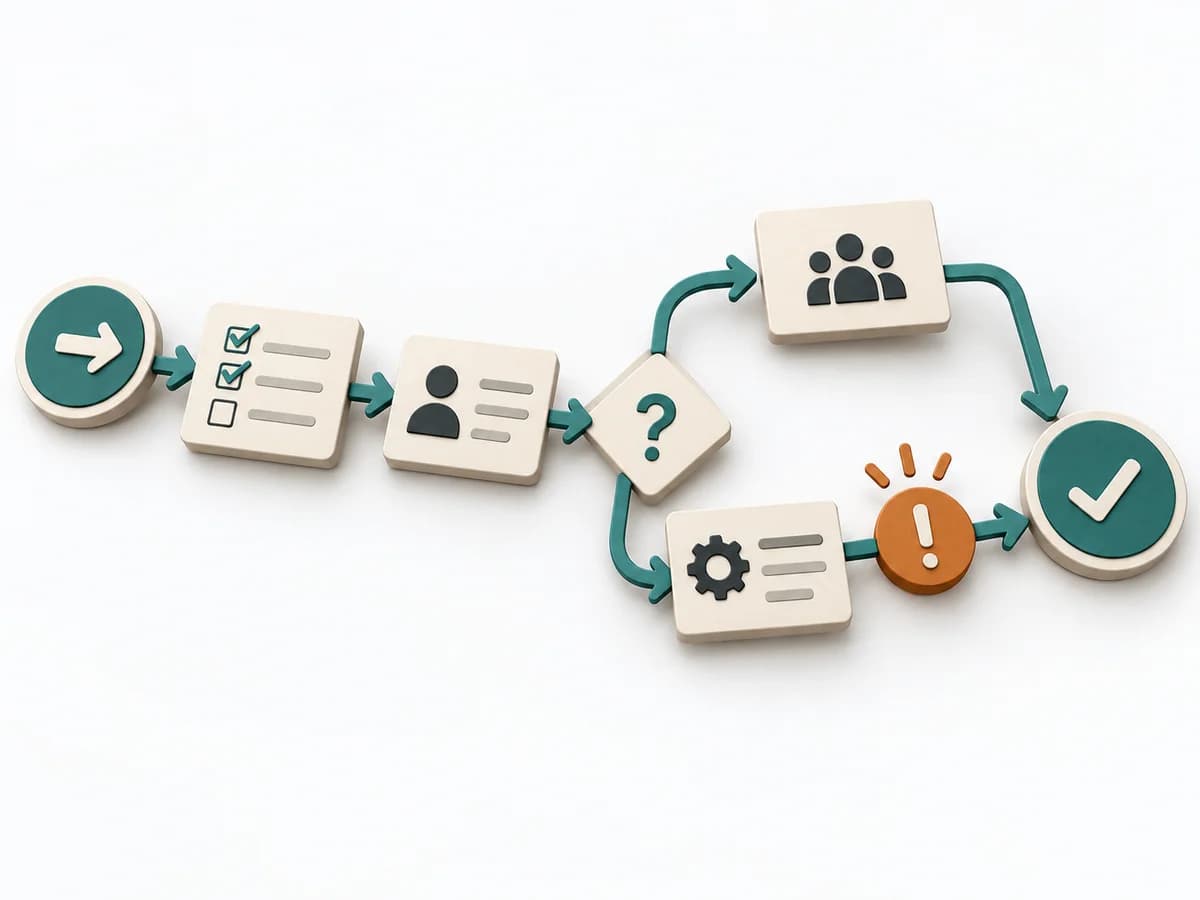 Operations Process Mapping | 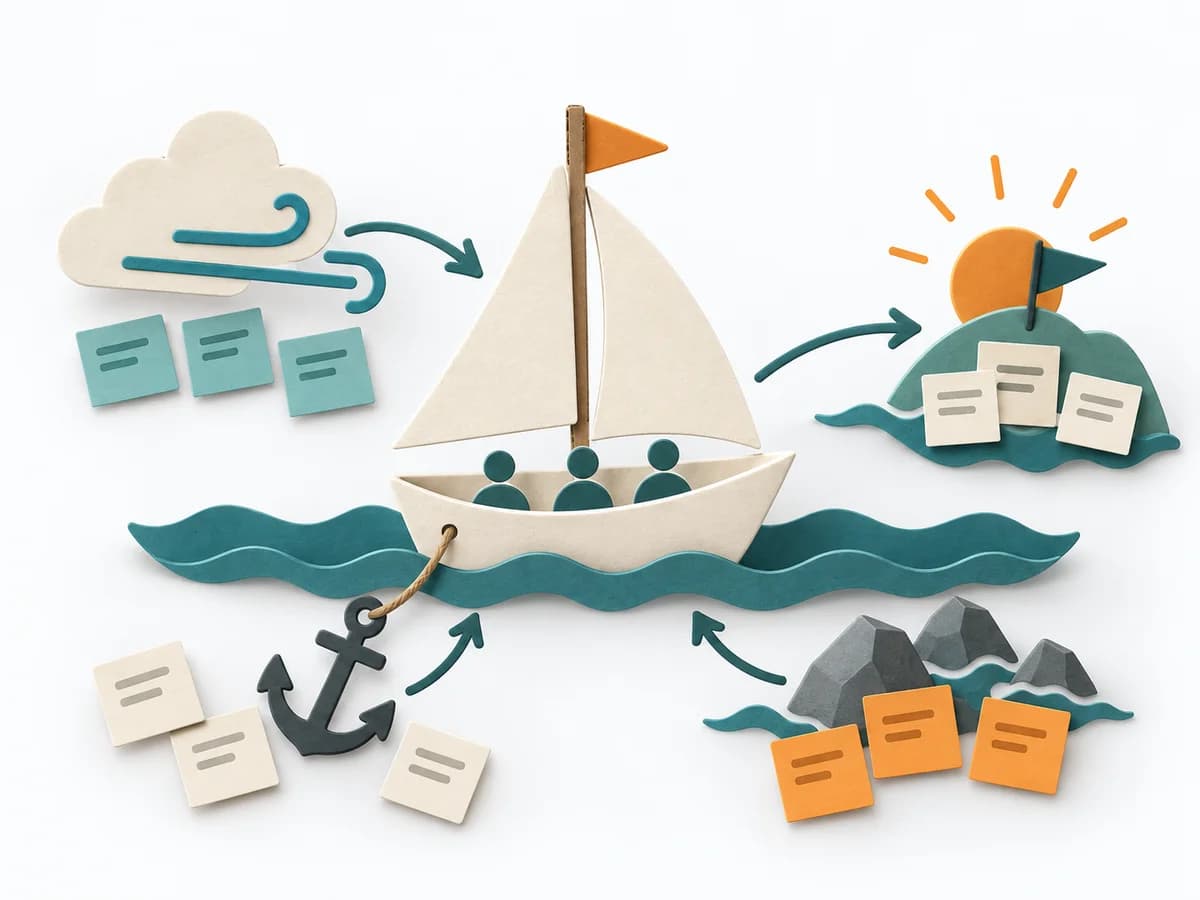 Agile Sailboat Retrospective |  Operations Accountability Ladder |
|---|---|---|---|---|
Purposedifferent | Polarity Mapping makes tensions between two opposing poles tangible, such as standardization and adaptation or control and autonomy. The method guards against making apparent either-or decisions prematurely. | With a confusing workflow that has many handoffs, the method makes the actual process visible. It shows where work is passed on, delayed, or duplicated, so improvement targets the right spots. | When a team wants to read momentum, brakes, and risks together, it offers an easily understandable picture of the situation. It makes drive, obstacles, and headwind visible in the same picture. | With defensive reactions to problems, the method shifts the view from justification to ownership. It makes visible which reaction stage a person or team is currently stuck on. |
Complexitydifferent | Medium | Medium | Low | Low |
Timedifferent | 1-2 h | 1-3 h | 45-90 min | 20-45 min |
Participantsdifferent | 3-12 | 3-10 | 4-12 | 1-8 |
Formatdifferent | Workshop | Workshop | Workshop | Workshop + async |
Outputdifferent | Polarity Map, Warning Signs, Balance Actions | Process Map, Handoff List, Improvement Backlog | Sailboat Board, Risks, Improvement Actions | Ownership Reflection, Action Commitment, Coaching Notes |
Tagsno overlap | Systems thinkingTradeoffsLeadership | ProcessOperationsImprovement | RetrospectiveTeamImprovement | ResponsibilityLeadershipTeam |