View methods side by side.
Choose up to four methods. Add them using the search and share the comparison by copying its link.
| Criterion |  Systems Thinking Polarity Mapping | 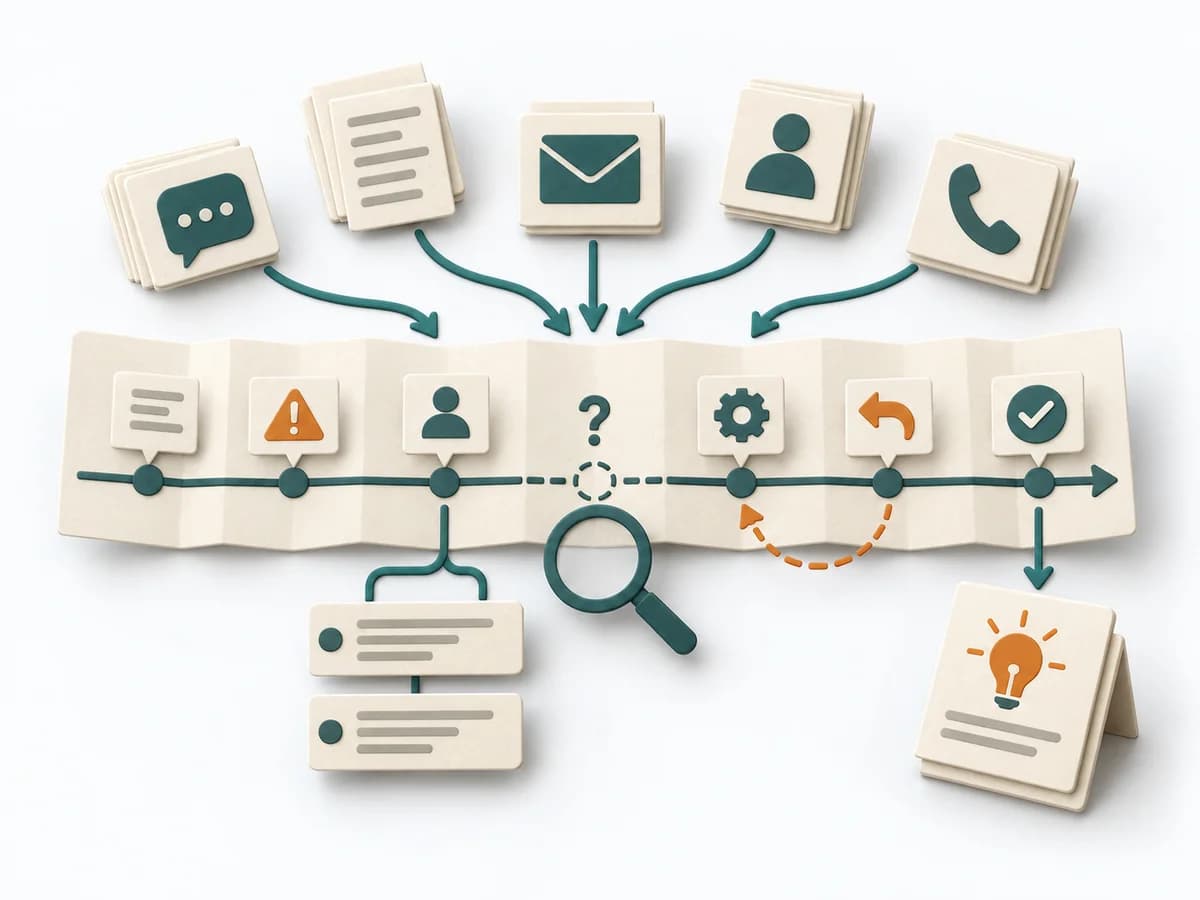 DevOps Incident Timeline Analysis |  Operations After-Action Review | 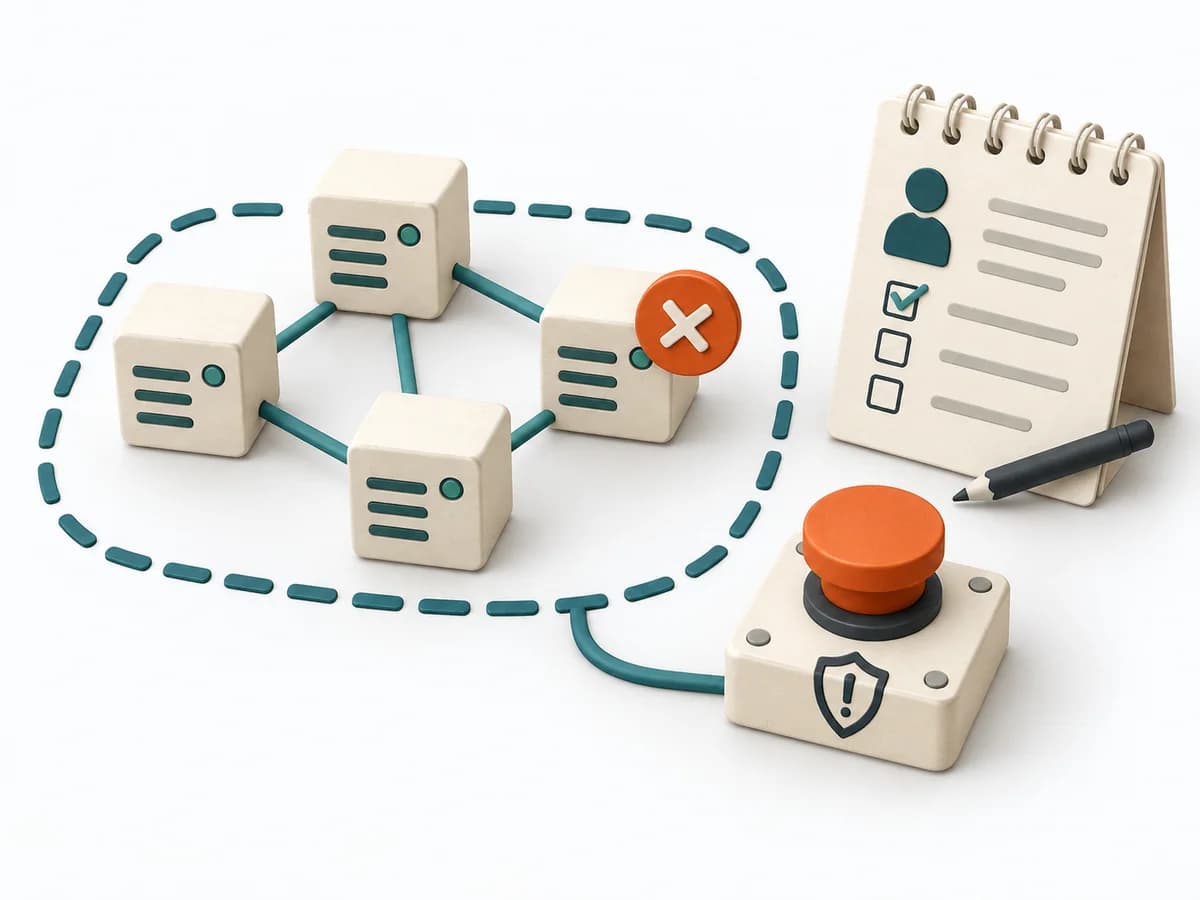 DevOps Game Day |
|---|---|---|---|---|
Purposedifferent | Polarity Mapping makes tensions between two opposing poles tangible, such as standardization and adaptation or control and autonomy. The method guards against making apparent either-or decisions prematurely. | For an incident with an unclear sequence, the method makes the timeline precisely visible. It separates perception, reaction, and delay so cause and effect become more clearly readable. | After missions or project phases with unclear outcomes, the method makes visible what actually happened and what can be learned from it. It separates course, effect, and causes so experience turns into solid improvement. | In preparing for rare incidents, the method tests response capability under controlled conditions. It shows where assumptions about stability, roles, and recovery are too optimistic. |
Complexitydifferent | Medium | Medium | Low | High |
Timedifferent | 1-2 h | 60-180 min | 20-45 min | Halber Tag |
Participantsdifferent | 3-12 | 3-10 | 3-12 | 5-20 |
Formatdifferent | Workshop | Workshop + async | Workshop + async | Workshop |
Outputdifferent | Polarity Map, Warning Signs, Balance Actions | Incident Timeline, Evidence Log, Delay Analysis, Improvement Actions | Lessons learned, Action items, Event summary | Simulation Notes, Gaps List, Updated Runbooks |
Tagsno overlap | Systems thinkingTradeoffsLeadership | IncidentTimelineSite Reliability Engineering | LearningOperationsImprovement | ResilienceOperationsIncident |