View methods side by side.
Choose up to four methods. Add them using the search and share the comparison by copying its link.
| Criterion |  Systems Thinking Polarity Mapping | 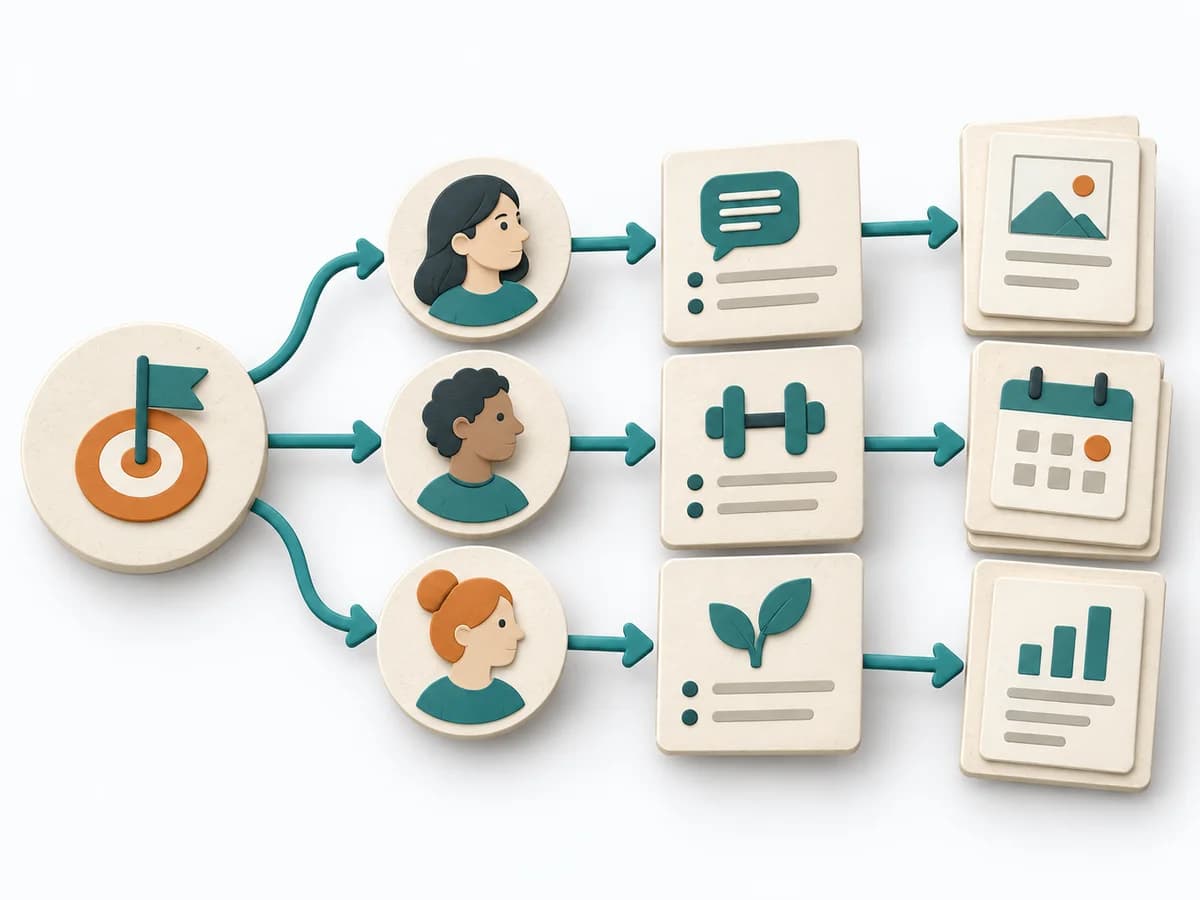 Product Strategy Impact Mapping |  Business Strategy Value Chain Analysis |  Business Strategy GAP Analysis |
|---|---|---|---|---|
Purposedifferent | Polarity Mapping makes tensions between two opposing poles tangible, such as standardization and adaptation or control and autonomy. The method guards against making apparent either-or decisions prematurely. | When a goal needs to be connected to several possible paths, it shows chains of impact instead of feature lists. It connects business goal, behavior change, and measures. | Value Chain Analysis shows where value is created, costs accrue, and differentiation becomes possible along the process. It compares strengths, risks, market logic, and courses of action. The result is captured as a value-chain map and lever list. | GAP Analysis compares the current state with a target picture and makes the distance manageable. It becomes useful when, ahead of new initiatives, it must become clear which capabilities, processes, or resources are missing. |
Complexitydifferent | Medium | Medium | High | Medium |
Timedifferent | 1-2 h | 45-90 min | Half day | 1-3 h |
Participantsdifferent | 3-12 | 3-8 | 3-8 | 2-8 |
Formatdifferent | Workshop | Workshop | Workshop | Workshop + async |
Outputdifferent | Polarity Map, Warning Signs, Balance Actions | Impact Map, Outcome Hypotheses, Delivery Options | Value Chain Map, Lever List | Gap Matrix, Action Plan, Risk Notes |
Tagsno overlap | Systems thinkingTradeoffsLeadership | OutcomesStrategyBehaviorPlanning | StrategyBusiness modelDiagnosisAnalysis | StrategyAnalysisPlanning |