View methods side by side.
Choose up to four methods. Add them using the search and share the comparison by copying its link.
Selected:Polarity MappingFutures WheelArchitecture Communication CanvasArchitecture Inception Canvas
| Criterion |  Systems Thinking Polarity Mapping | 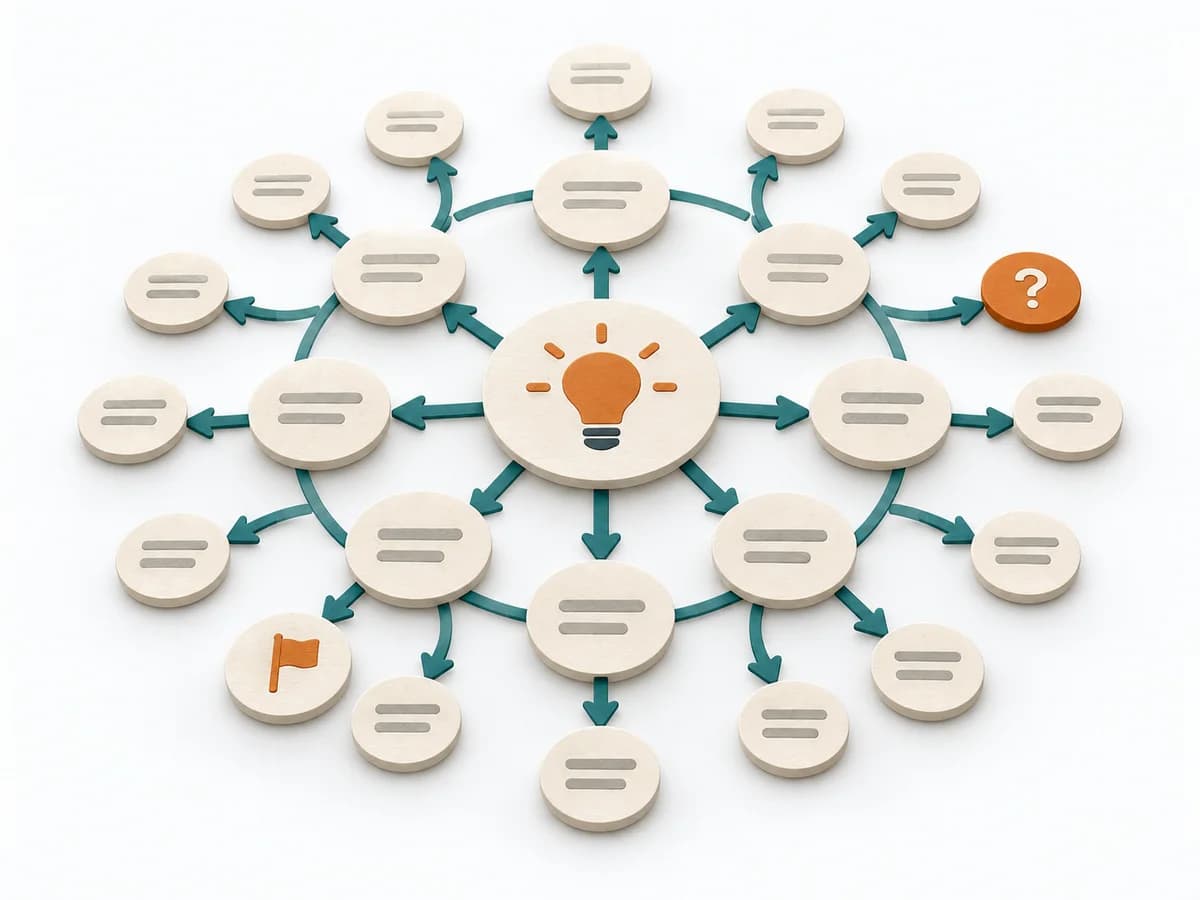 Systems Thinking Futures Wheel |  Architecture Architecture Communication Canvas | 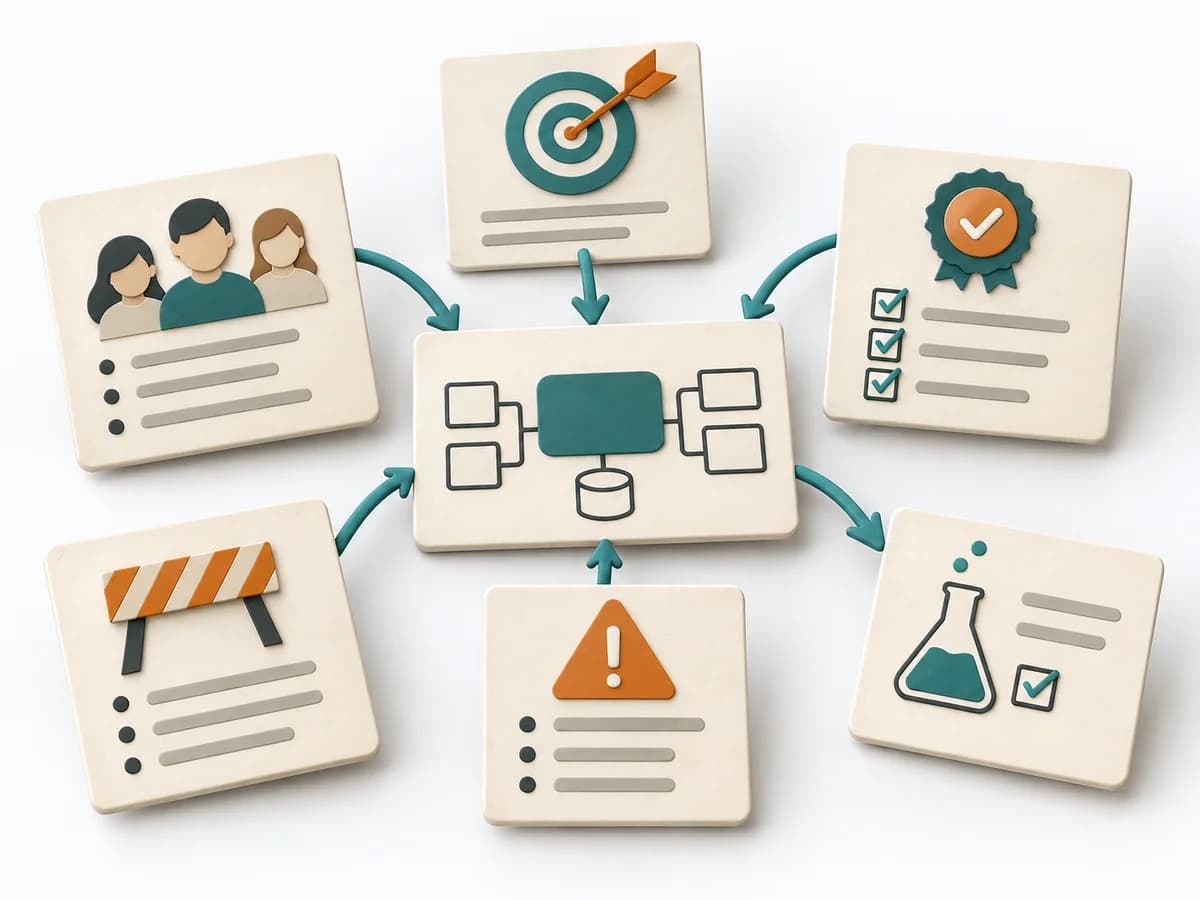 Architecture Architecture Inception Canvas |
|---|---|---|---|---|
Purposedifferent | Polarity Mapping makes tensions between two opposing poles tangible, such as standardization and adaptation or control and autonomy. The method guards against making apparent either-or decisions prematurely. | The Futures Wheel helps explore the consequences of a decision, a trend, or a strategic move in a structured way. It makes visible which first, second, and third-order effects could arise from an event. | The Architecture Communication Canvas plans architecture communication so the right people receive the right message. The method turns technical complexity into deliberate communication design. | The Architecture Inception Canvas bundles the first architecture questions into a compact decision picture. It fits when an initiative is still in motion but still needs clear guardrails. |
Complexitydifferent | Medium | Medium | Medium | Low |
Timedifferent | 1-2 h | 60-120 min | 60-120 min | 1-2 h |
Participantsdifferent | 3-12 | 3-10 | 2-8 | 3-8 |
Formatdifferent | Workshop | Workshop + async | Workshop + async | Workshop |
Outputdifferent | Polarity Map, Warning Signs, Balance Actions | Futures Wheel, Consequence Chains, Strategic Signals | Communication Canvas, Stakeholder Messages, Architecture Communication Plan | Inception Canvas, Risks, Goal List, Open Questions |
Tagsno overlap | Systems thinkingTradeoffsLeadership | ForesightSystems thinkingSignals | ArchitectureCommunicationStakeholdersCanvas | AlignmentArchitectureCanvas |