View methods side by side.
Choose up to four methods. Add them using the search and share the comparison by copying its link.
| Criterion | 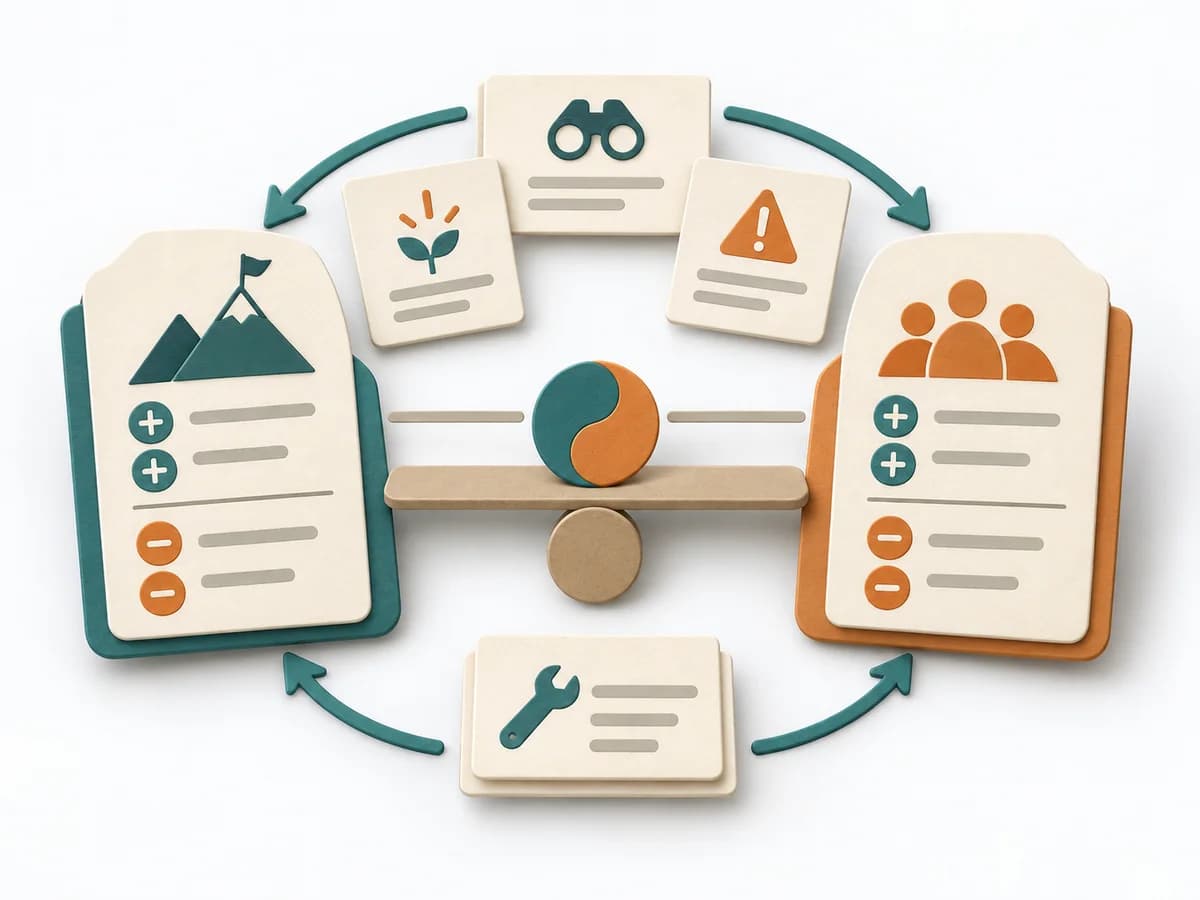 Systems Thinking Polarity Mapping | 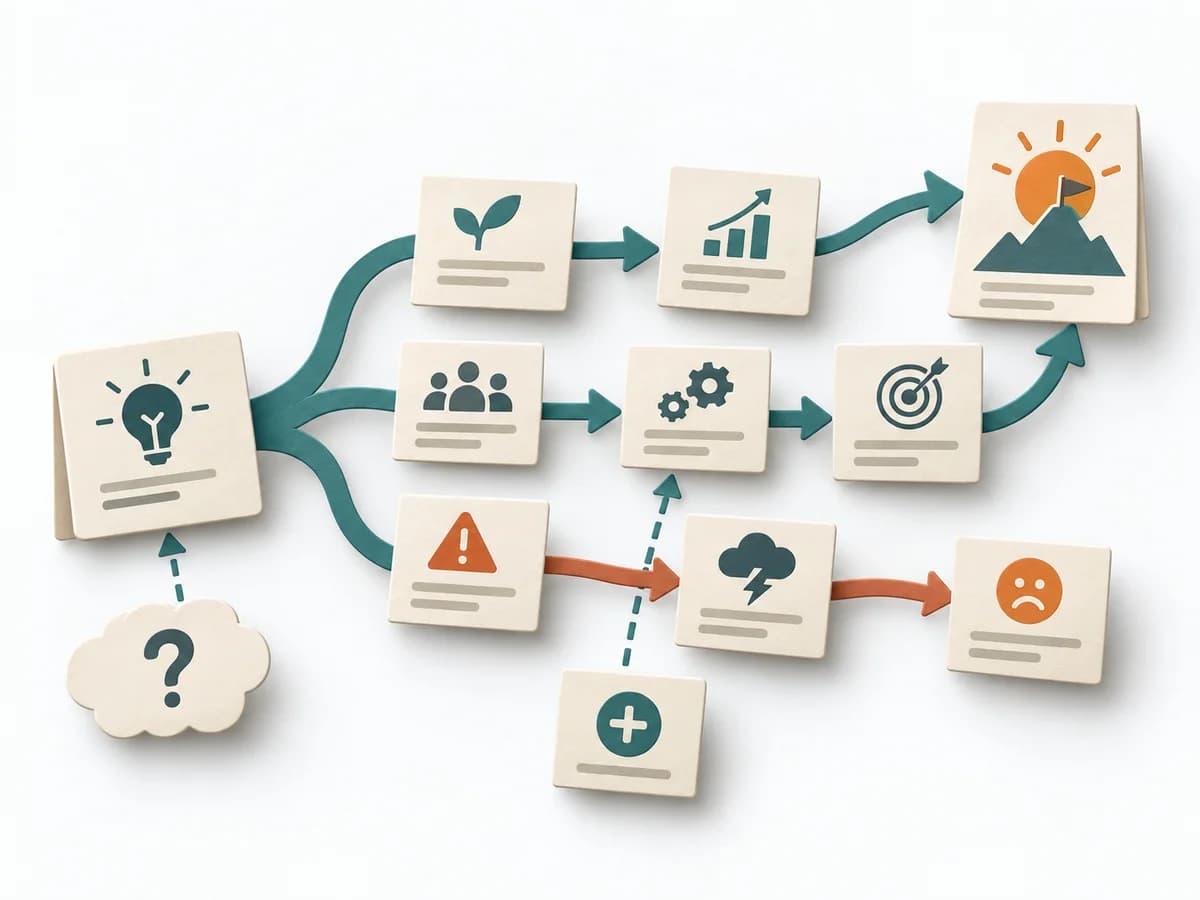 Systems Thinking Future Reality Tree | 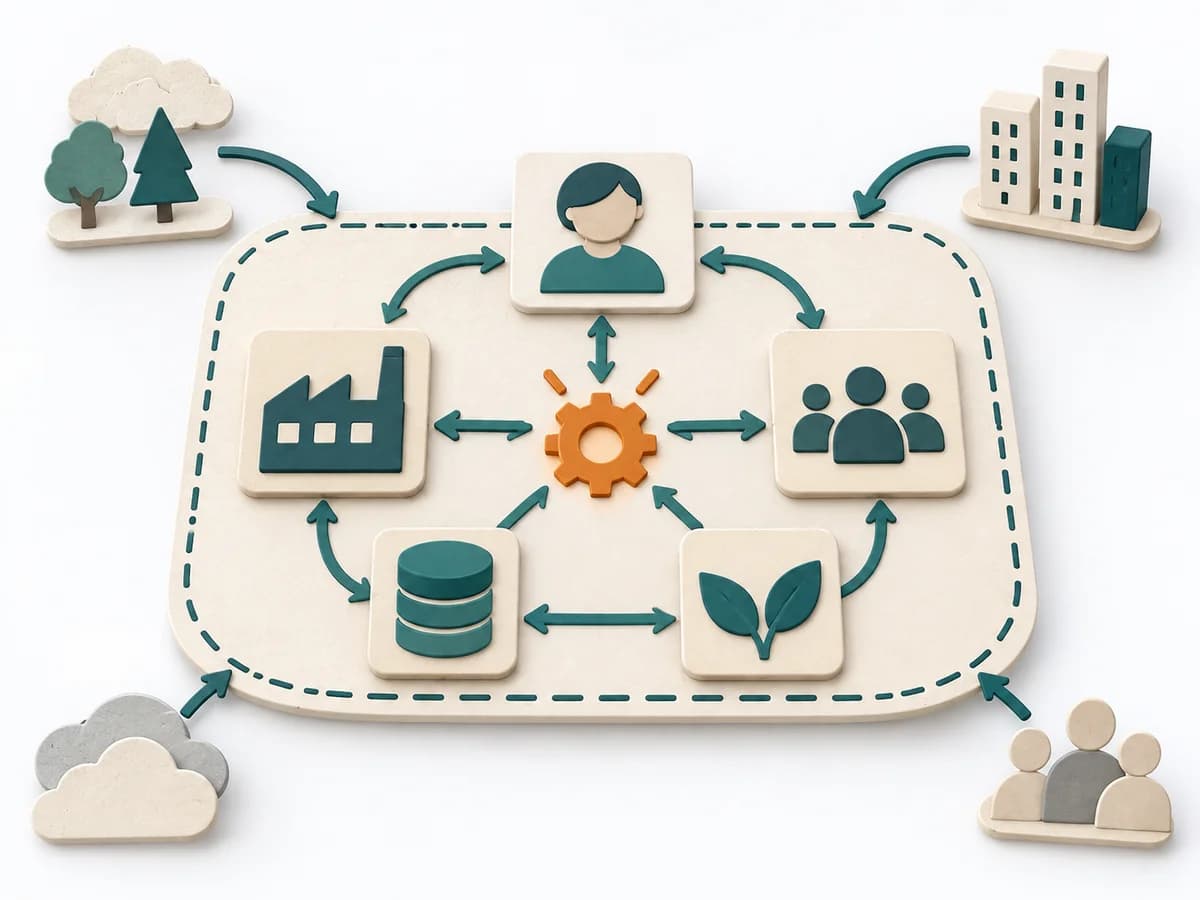 Systems Thinking Systems Mapping |  Systems Thinking Intervention Mapping |
|---|---|---|---|---|
Purposedifferent | Polarity Mapping makes tensions between two opposing poles tangible, such as standardization and adaptation or control and autonomy. The method guards against making apparent either-or decisions prematurely. | A Future Reality Tree shows how desired actions are meant to lead to a better system state. The method checks whether a path of change holds together logically before time flows into implementation. | Systems Mapping arranges elements, relationships, and boundaries so a complex field becomes legible at a glance. The overview stabilizes the overall picture before detail work or steering begins. | Intervention Mapping translates a need for change into a planned, evaluable program. The method connects target group, determinants, actions, and measurement into a traceable chain. |
Complexitydifferent | Medium | High | Medium | High |
Timedifferent | 1-2 h | 2-4 h | 1-3 h | 1-5 Tage |
Participantsdifferent | 3-12 | 3-8 | 3-12 | 4-12 |
Formatdifferent | Workshop | Workshop | Workshop + async | Workshop + async |
Outputdifferent | Polarity Map, Warning Signs, Balance Actions | Future Reality Tree, Negative Branches, Assumption List, Improved Injections | System Map, Dependencies, Leverage Points | Logic Model, Change Objectives, Intervention Components, Evaluation Plan |
Tags1 shared | Systems thinkingTradeoffsLeadership | Theory of ConstraintsSystems thinkingChange | Systems thinkingMappingBoundariesChange | ChangeSystems thinkingCapability |