View methods side by side.
Choose up to four methods. Add them using the search and share the comparison by copying its link.
| Criterion |  Systems Thinking Polarity Mapping | 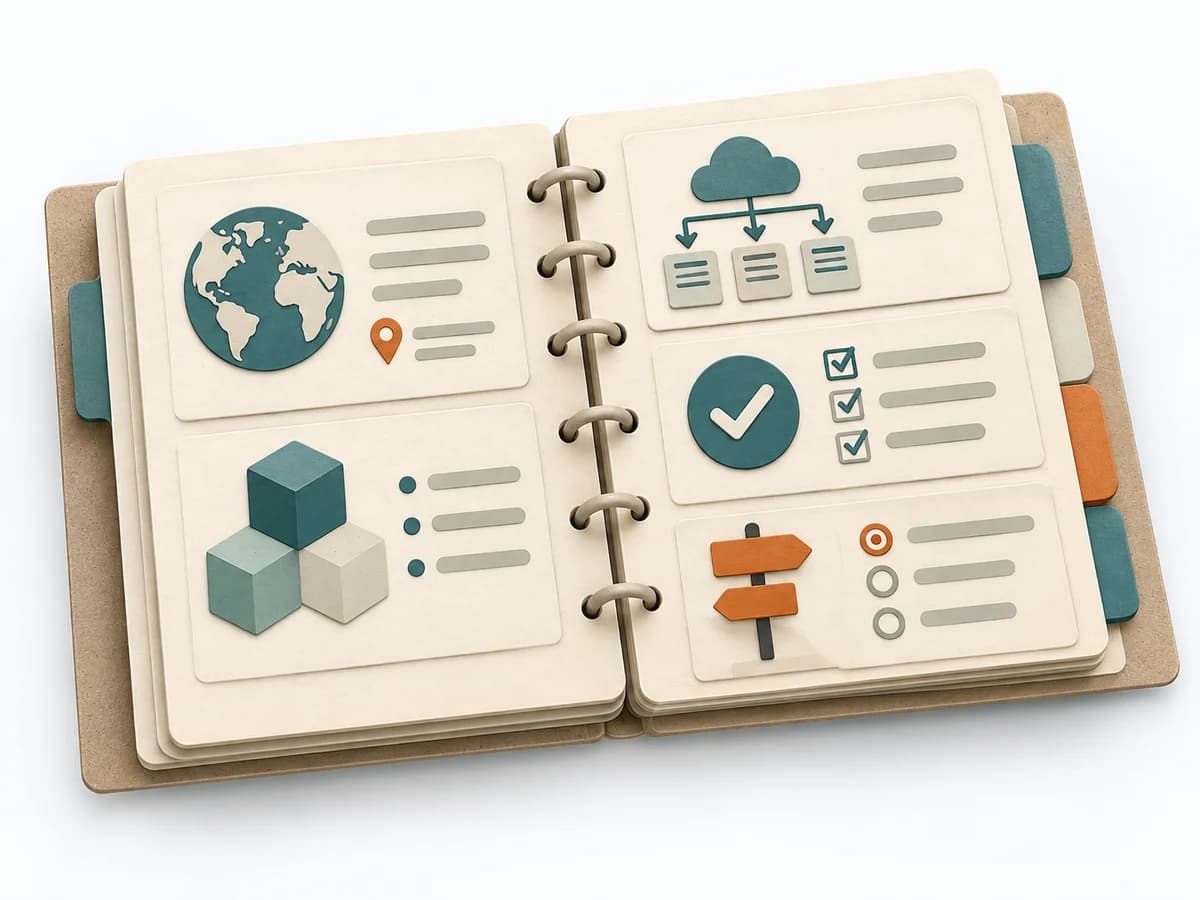 Architecture arc42 | 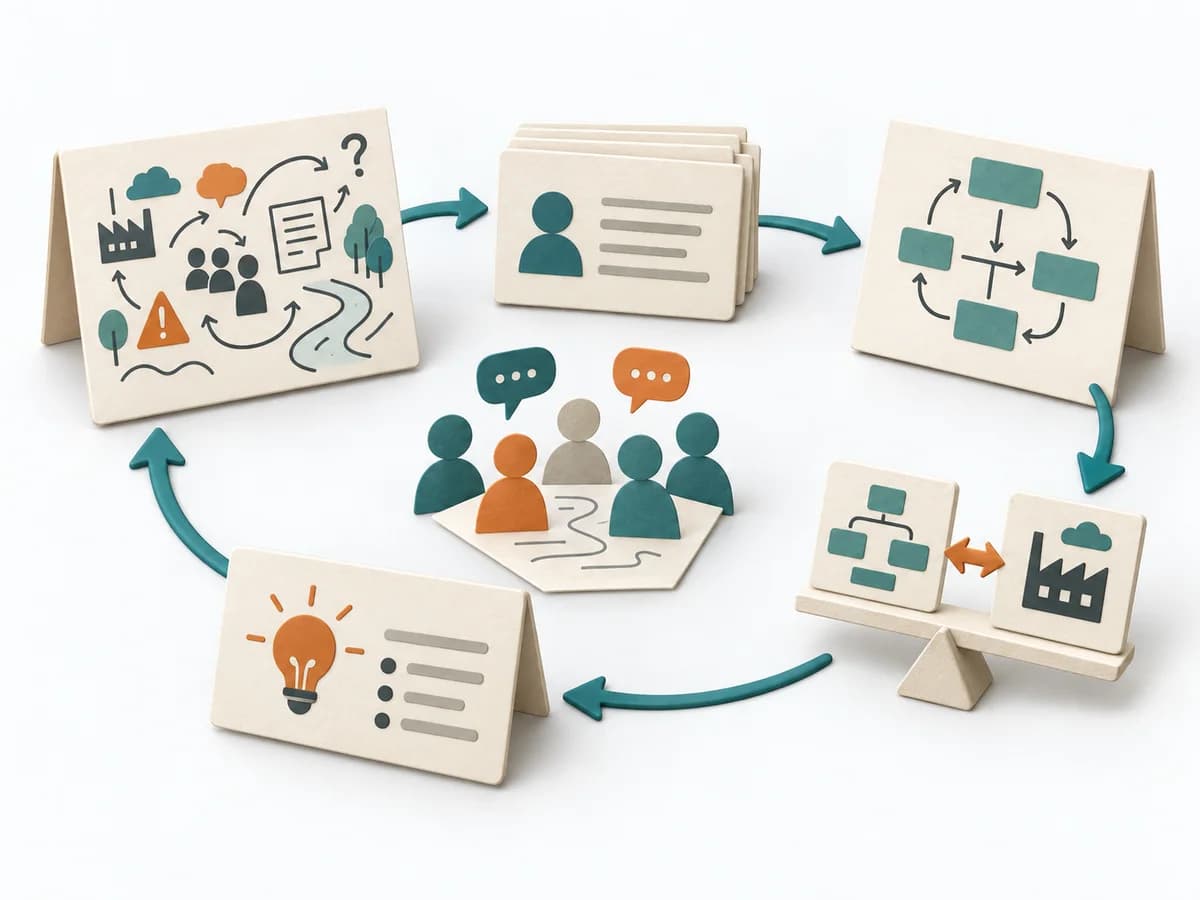 Systems Thinking Soft Systems Methodology | 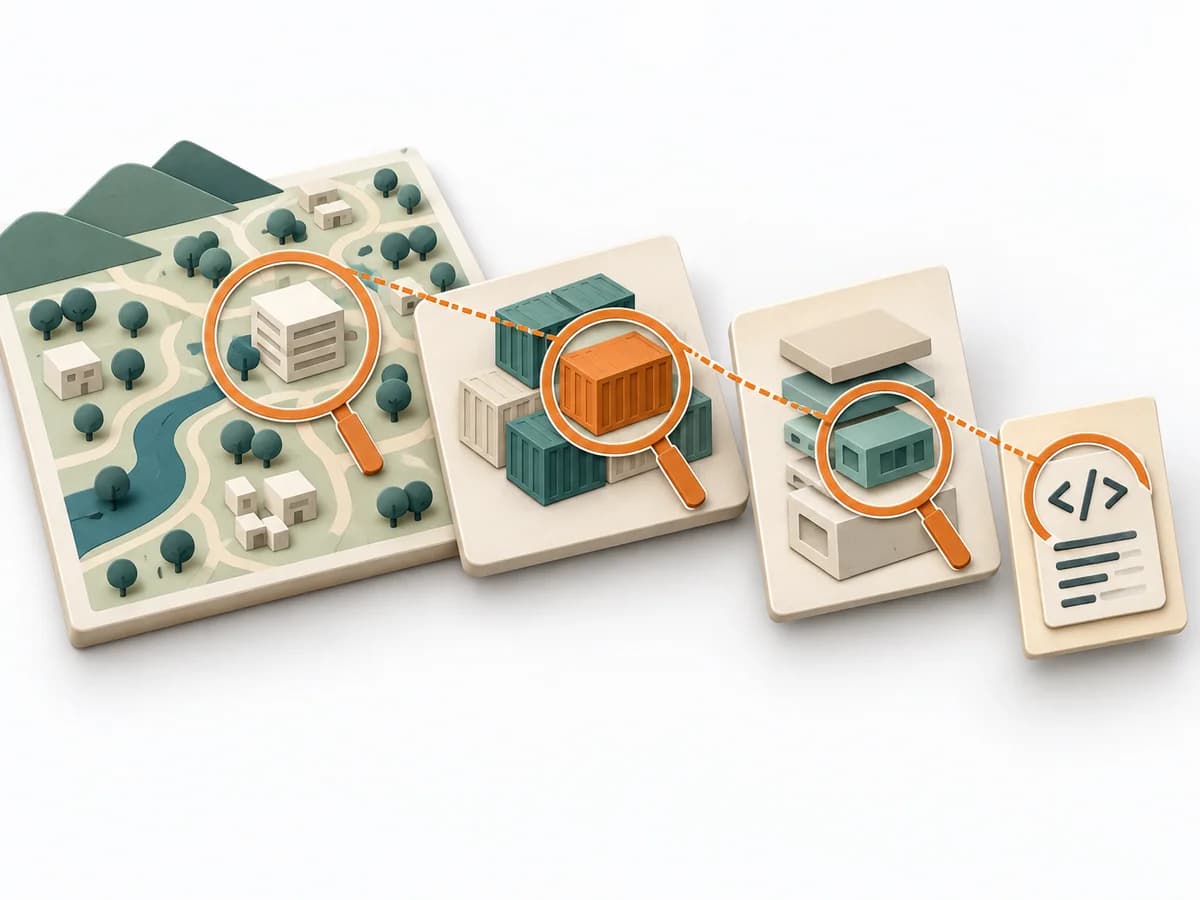 Architecture C4 Model |
|---|---|---|---|---|
Purposedifferent | Polarity Mapping makes tensions between two opposing poles tangible, such as standardization and adaptation or control and autonomy. The method guards against making apparent either-or decisions prematurely. | arc42 structures architecture knowledge so teams can document system, decisions, and risks consistently. The template builds a living understanding of the architecture instead of scattered notes. | Soft Systems Methodology helps explore unclear or politically charged problems systematically. Instead of forcing a quick answer, the method builds a shared understanding of perspectives and room for action. | The C4 Model makes a system legible across several resolution levels, from context down to code. It suits situations where different audiences need to understand the same architecture from different altitudes. |
Complexitydifferent | Medium | Low | High | Low |
Timedifferent | 1-2 h | 1-2 Tage | 0.5-3 Tage | 1-4 h |
Participantsdifferent | 3-12 | 1-4 | 5-15 | 1-5 |
Formatdifferent | Workshop | Workshop + async | Workshop | Workshop + async |
Outputdifferent | Polarity Map, Warning Signs, Balance Actions | Architecture Document, Context View, Runtime View, Deployment View | Rich Picture, Root Definitions, Conceptual Models, Change Agenda | Context Diagram, Container Diagram, Component Diagram |
Tagsno overlap | Systems thinkingTradeoffsLeadership | ArchitectureDocumentationCommunication | Soft systemsComplexitySensemakingSystems thinking | ArchitectureCommunicationVisualization |