View methods side by side.
Choose up to four methods. Add them using the search and share the comparison by copying its link.
| Criterion |  Systems Thinking Polarity Mapping | 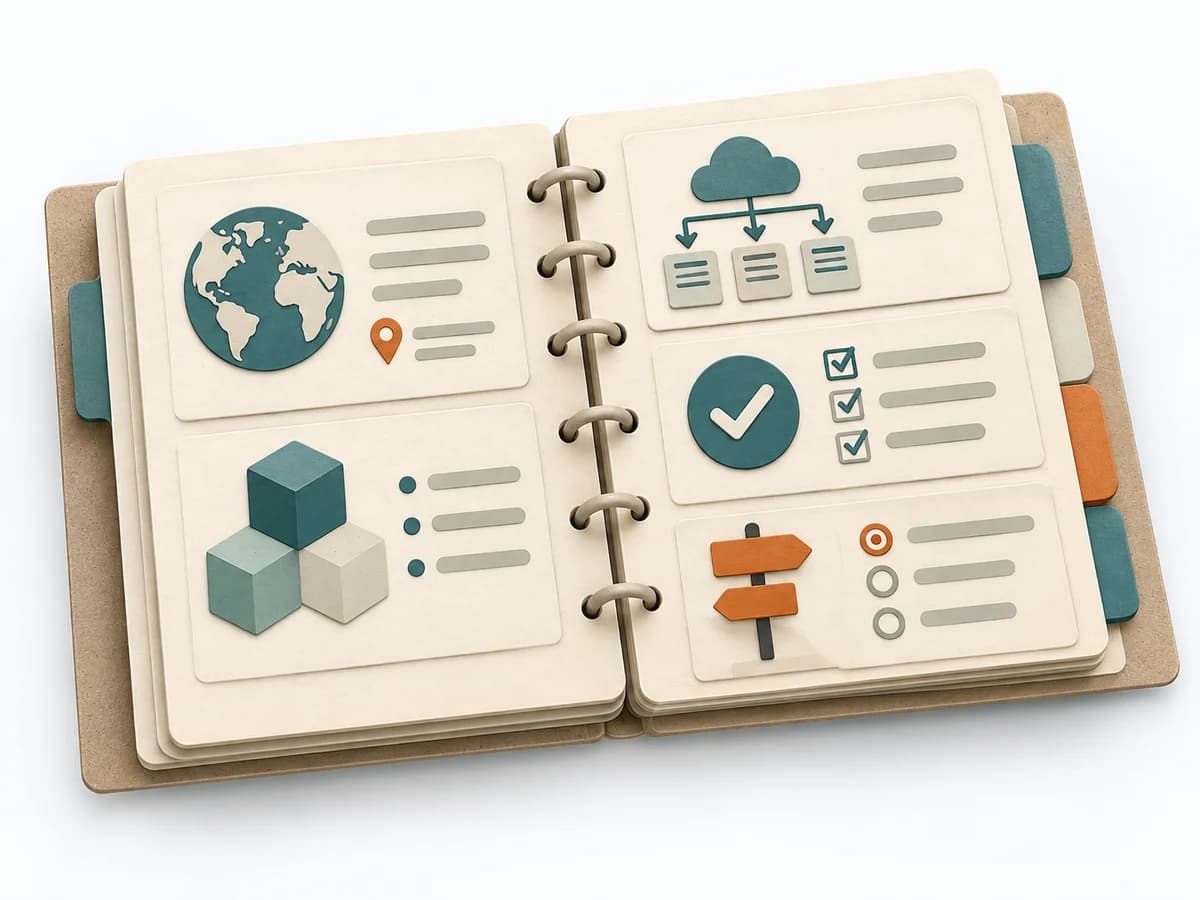 Architecture arc42 | 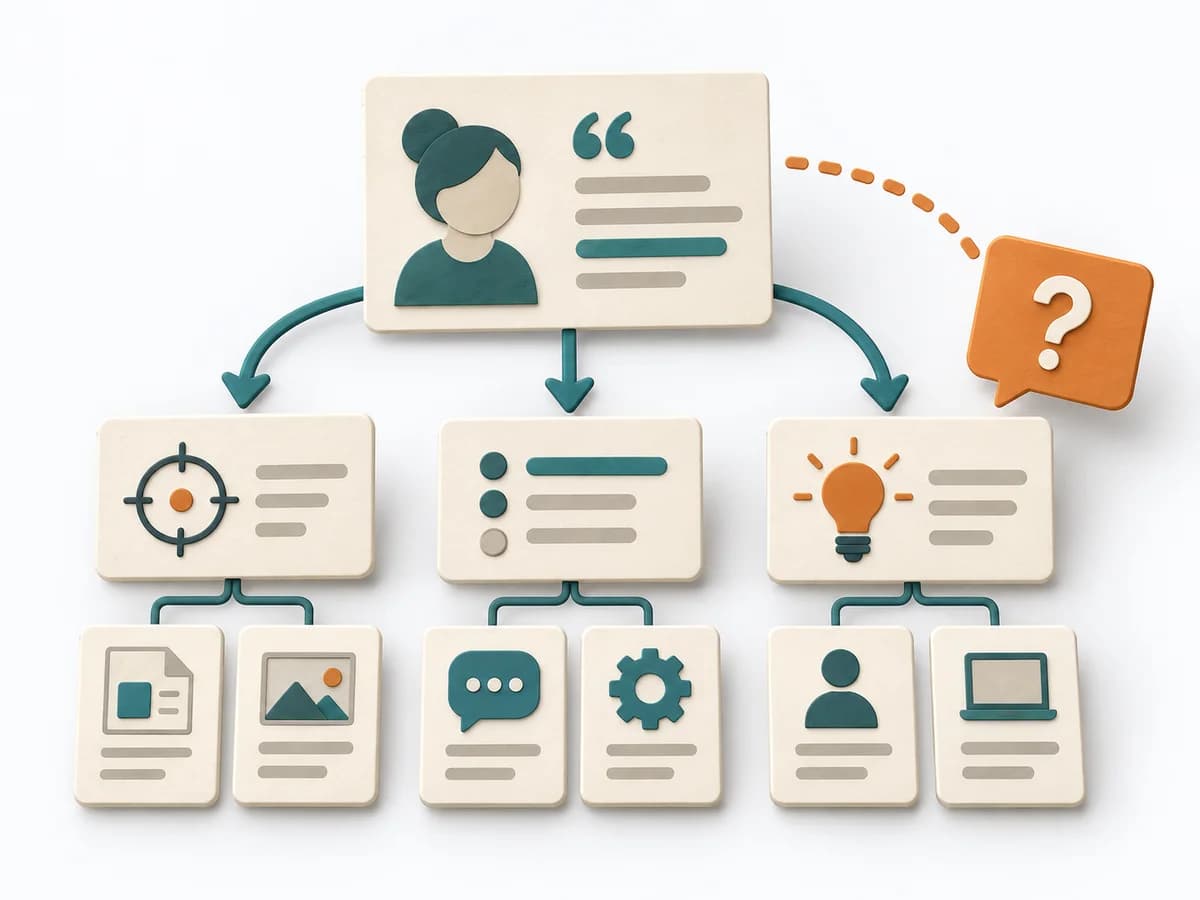 Agile Example Mapping | 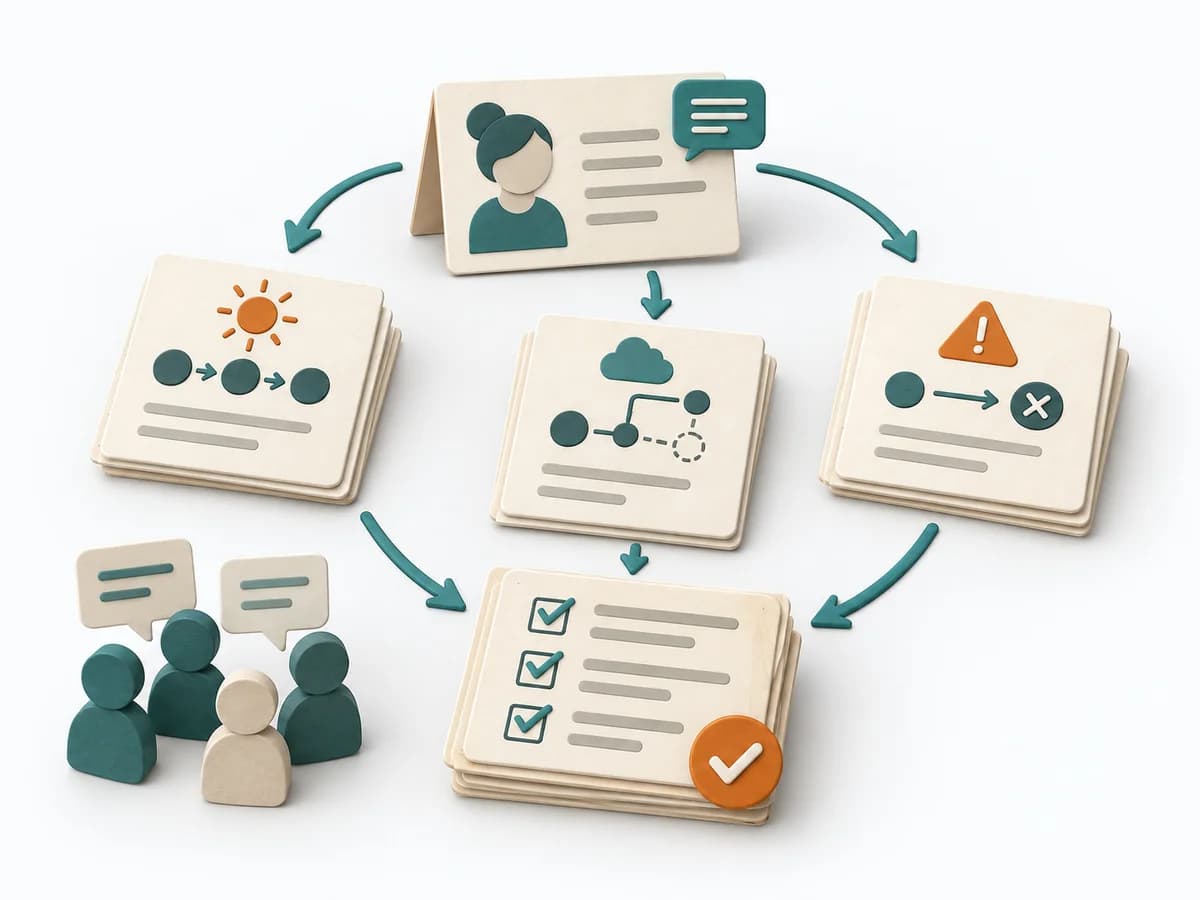 Agile Acceptance Criteria Workshop |
|---|---|---|---|---|
Purposedifferent | Polarity Mapping makes tensions between two opposing poles tangible, such as standardization and adaptation or control and autonomy. The method guards against making apparent either-or decisions prematurely. | arc42 structures architecture knowledge so teams can document system, decisions, and risks consistently. The template builds a living understanding of the architecture instead of scattered notes. | When a story carries business rules and exceptions, it brings clarity before implementation. It makes examples, open questions, and boundaries visible enough that the logic becomes jointly sound. | When a story needs clear checkpoints before implementation, it sharpens expectation and scope together. It sorts work by value, risk, and delivery ability. The result is captured as Acceptance Criteria and a Story Update. |
Complexitydifferent | Medium | Low | Low | Low |
Timedifferent | 1-2 h | 1-2 Tage | 30-60 min | 20-40 min pro Story |
Participantsdifferent | 3-12 | 1-4 | 3-7 | 3-6 |
Formatdifferent | Workshop | Workshop + async | Workshop | Workshop |
Outputdifferent | Polarity Map, Warning Signs, Balance Actions | Architecture Document, Context View, Runtime View, Deployment View | Example Map, Acceptance Criteria, Open Questions | Acceptance Criteria, Story Update |
Tagsno overlap | Systems thinkingTradeoffsLeadership | ArchitectureDocumentationCommunication | Behavior-Driven DevelopmentRequirementsExamplesRefinement | AgileRequirementsRefinementBehavior-Driven Development |