View methods side by side.
Choose up to four methods. Add them using the search and share the comparison by copying its link.
| Criterion |  Systems Thinking Polarity Mapping |  Operations ALPEN Method | 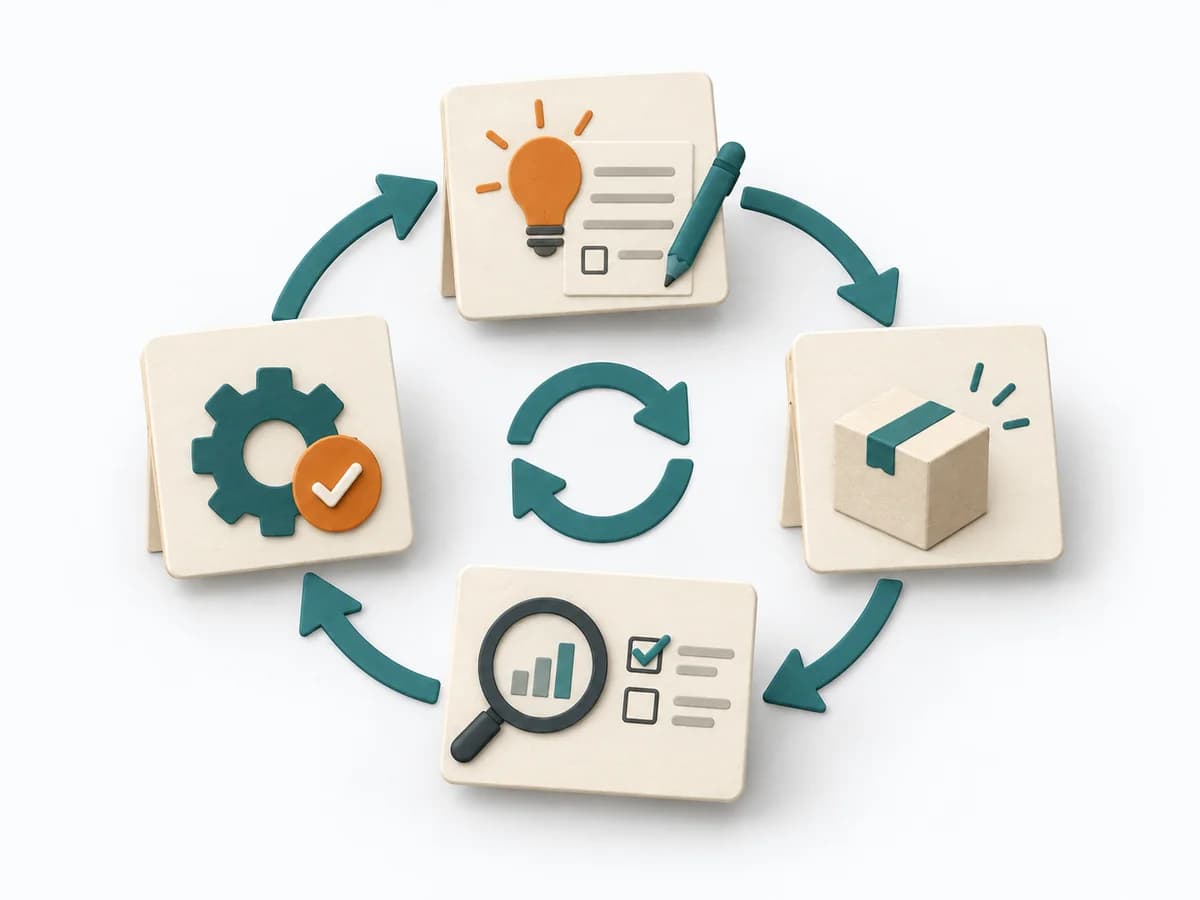 Operations PDCA Cycle | 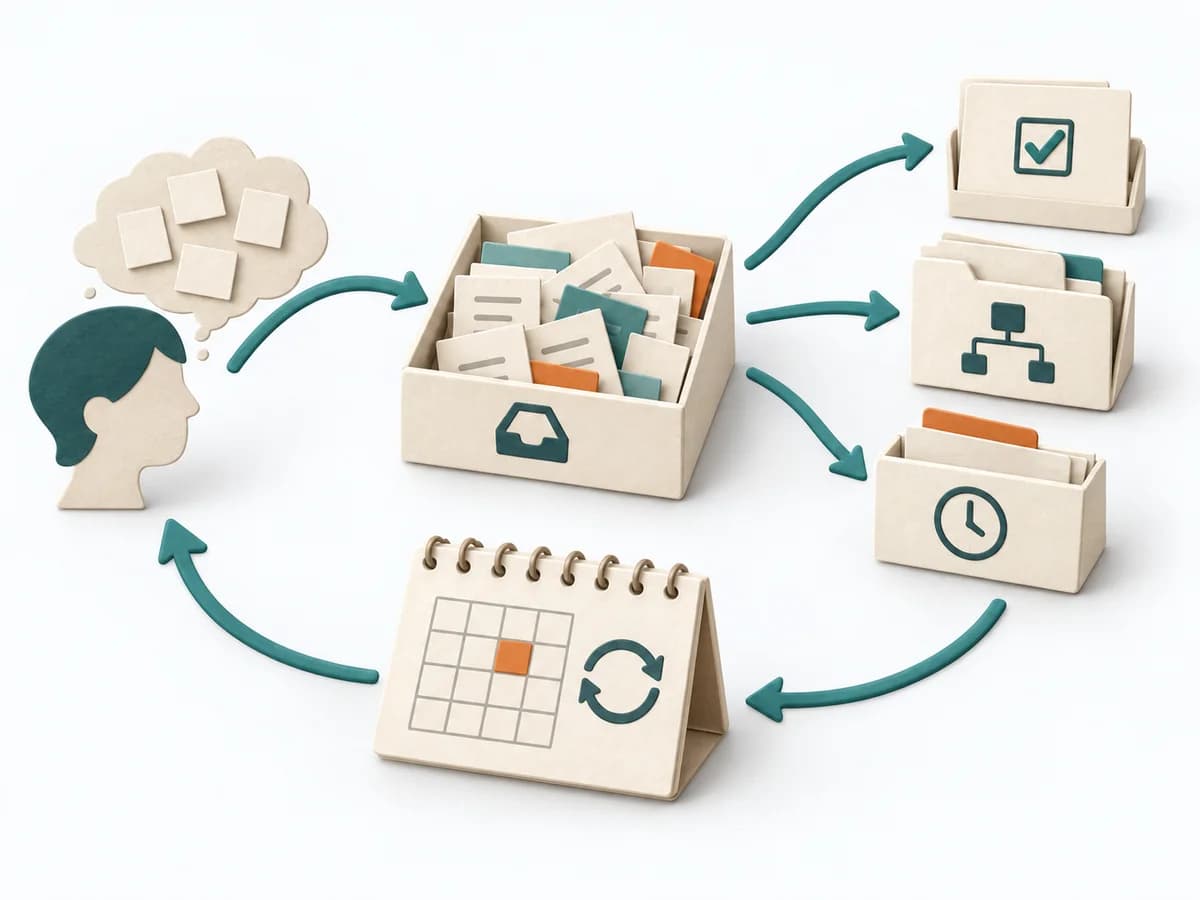 Operations Getting Things Done |
|---|---|---|---|---|
Purposedifferent | Polarity Mapping makes tensions between two opposing poles tangible, such as standardization and adaptation or control and autonomy. The method guards against making apparent either-or decisions prematurely. | With an overloaded day full of too many tasks, a realistic picture of the day emerges. The method connects estimating, deciding, and buffer thinking so planning fits available energy and time. | For an improvement that still has to prove itself in everyday work, the method runs it through small learning loops. It connects planning, checking, and standardization into a repeatable learning mode. | With many open commitments and ideas in daily life, a reliable external storage system emerges. The method relieves the mind so priority and context don't have to compete in memory. |
Complexitydifferent | Medium | Low | Low | Medium |
Timedifferent | 1-2 h | 10-20 min daily | 1 h bis mehrere Wochen | 1-2 h Setup, laufend |
Participantsdifferent | 3-12 | 1 | 1-8 | 1 |
Formatdifferent | Workshop | Async | Workshop + async | Async |
Outputdifferent | Polarity Map, Warning Signs, Balance Actions | Daily Plan, Time Estimates, Review Notes | PDCA Log, Experiment Plan, Learning Outcome, Standard Change | Action Lists, Project List, Review Routine |
Tagsno overlap | Systems thinkingTradeoffsLeadership | PlanningTime managementProductivityOperations | Continuous improvementLeanExperiments | ProductivityPlanningTasksExecution |