View methods side by side.
Choose up to four methods. Add them using the search and share the comparison by copying its link.
| Criterion | 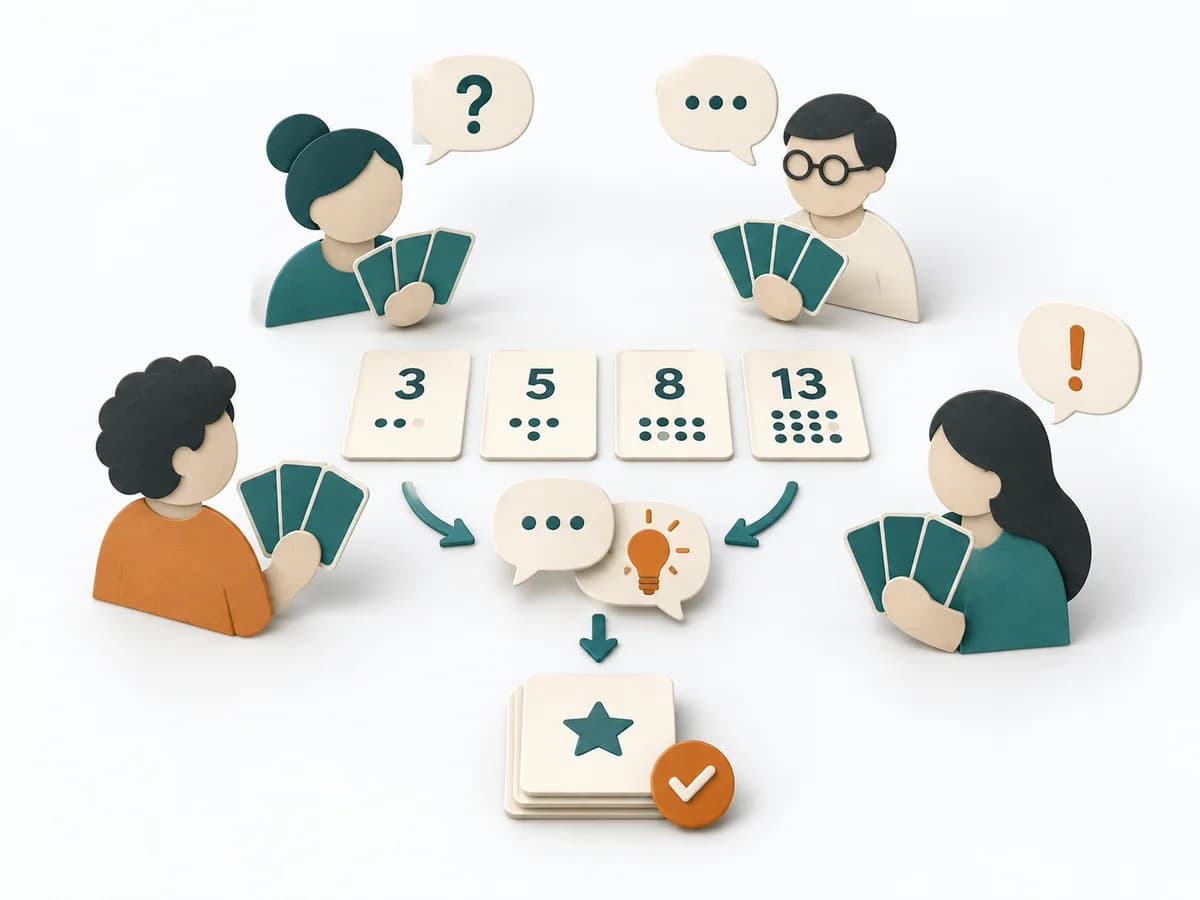 Agile Planning Poker |  Facilitation Power Interest Grid | 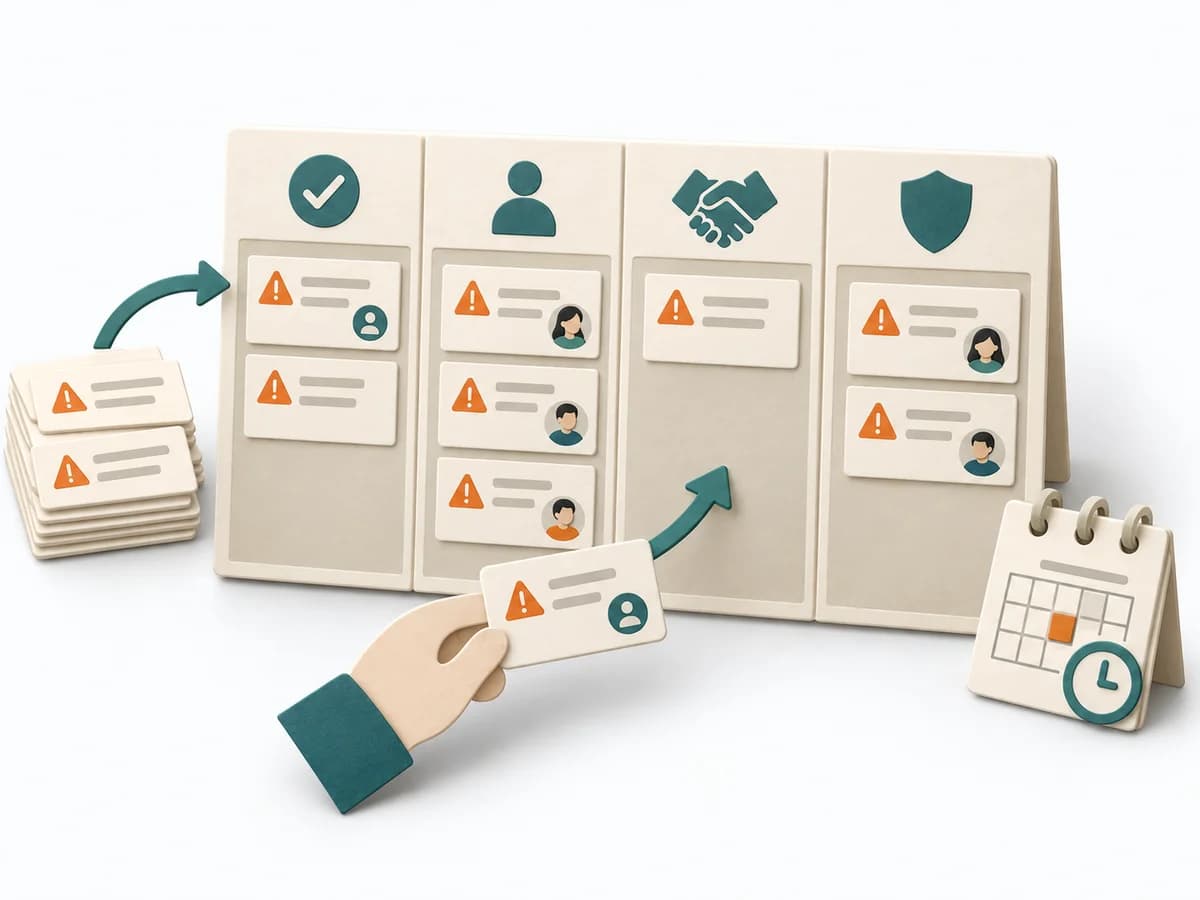 Agile ROAM Board | 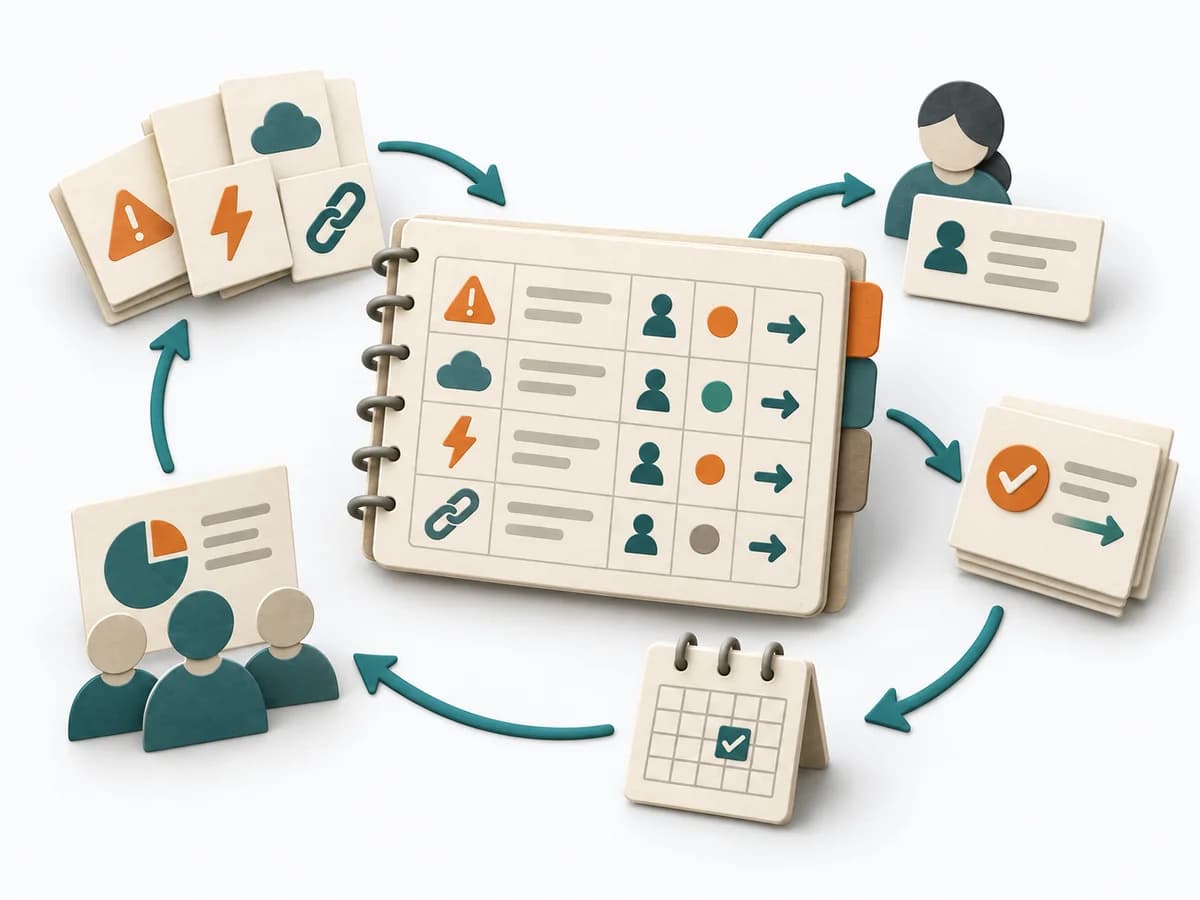 Delivery RAID Log |
|---|---|---|---|---|
Purposedifferent | When estimates within the team diverge too much, it puts differing expectations on a common test bench. It separates rough complexity from unspoken assumptions. | When many stakeholders compete for attention at once, the Power Interest Grid sorts them by influence and stake. It turns individual contributions into a visible selection. The result is captured as a Power Interest Grid and a stakeholder-specific strategy. | When work needs to move between different states or columns, it makes that movement and its handoffs legible. It sorts work by value, risk, and delivery ability. The result is captured as a ROAM Board and an Owner List. | Helps clarify scope, sequence, and delivery flow in concrete terms. It makes work, boundaries, and order steerable. The result is captured as a RAID Log and a source for status reporting. |
Complexitysame | Low | Low | Low | Low |
Timedifferent | 2-5 min je Item | 30-60 min | 20-40 min initial, dann laufend | 30 min Setup, dann laufend |
Participantsdifferent | 3-9 | 2-8 | 3-15 | 1-3 maintaining, briefing for everyone |
Formatdifferent | Workshop + async | Workshop | Workshop + async | Async |
Outputdifferent | Relative Estimates, Assumption Notes, Split Candidates | Power Interest Grid, Strategy per Stakeholder | ROAM Board, Owner List | RAID Log, Status Report Source |
Tagsno overlap | EstimationAgileRelative sizingTeam | StakeholdersFacilitationAlignmentPlanning | RiskAgileTrackingAlignment | RiskTrackingStakeholdersGovernance |