View methods side by side.
Choose up to four methods. Add them using the search and share the comparison by copying its link.
| Criterion | 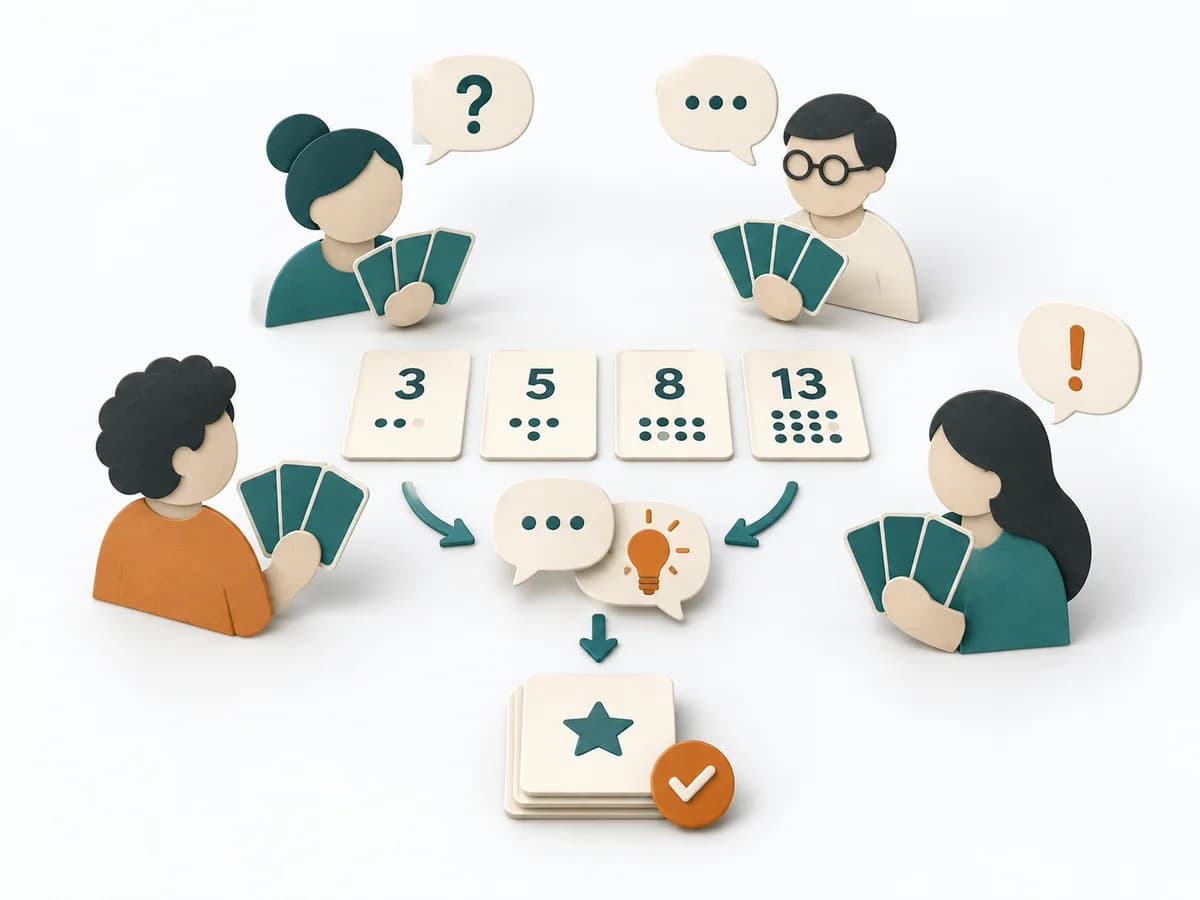 Agile Planning Poker |  Facilitation Power Interest Grid | 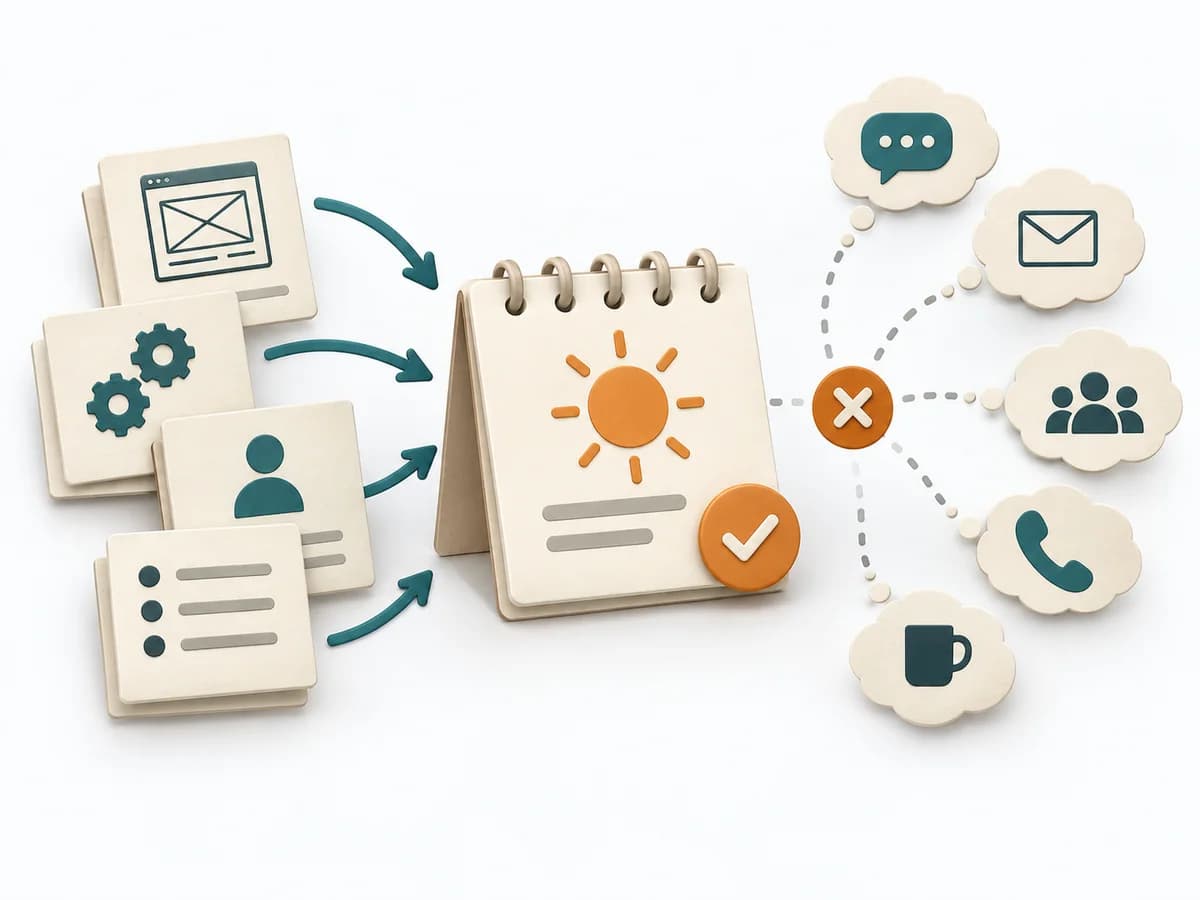 Agile Ideal Days |  Facilitation Stakeholder Mapping |
|---|---|---|---|---|
Purposedifferent | When estimates within the team diverge too much, it puts differing expectations on a common test bench. It separates rough complexity from unspoken assumptions. | When many stakeholders compete for attention at once, the Power Interest Grid sorts them by influence and stake. It turns individual contributions into a visible selection. The result is captured as a Power Interest Grid and a stakeholder-specific strategy. | When effort needs to be thought of as real working time, it offers a simple common denominator for comparison. It sorts work by value, risk, and delivery ability. The result is captured as Ideal Day Estimates, Assumption Notes, and Capacity Caveats. | When an initiative depends on many people, interests, and power dynamics, Stakeholder Mapping systematically orders the environment. It shows who influences, who is affected, and where relationship management or safeguarding matters first. |
Complexitysame | Low | Low | Low | Low |
Timedifferent | 2-5 min je Item | 30-60 min | 15-60 min | 60–90 min |
Participantsdifferent | 3-9 | 2-8 | 2-9 | 2-8 |
Formatdifferent | Workshop + async | Workshop | Workshop + async | Workshop + async |
Outputdifferent | Relative Estimates, Assumption Notes, Split Candidates | Power Interest Grid, Strategy per Stakeholder | Ideal Day Estimates, Assumption Notes, Capacity Caveats | Stakeholder Map, Engagement Plan, Risk Notes |
Tagsno overlap | EstimationAgileRelative sizingTeam | StakeholdersFacilitationAlignmentPlanning | EstimationEffortAgile | StakeholdersAlignmentFacilitationChange |