View methods side by side.
Choose up to four methods. Add them using the search and share the comparison by copying its link.
| Criterion | 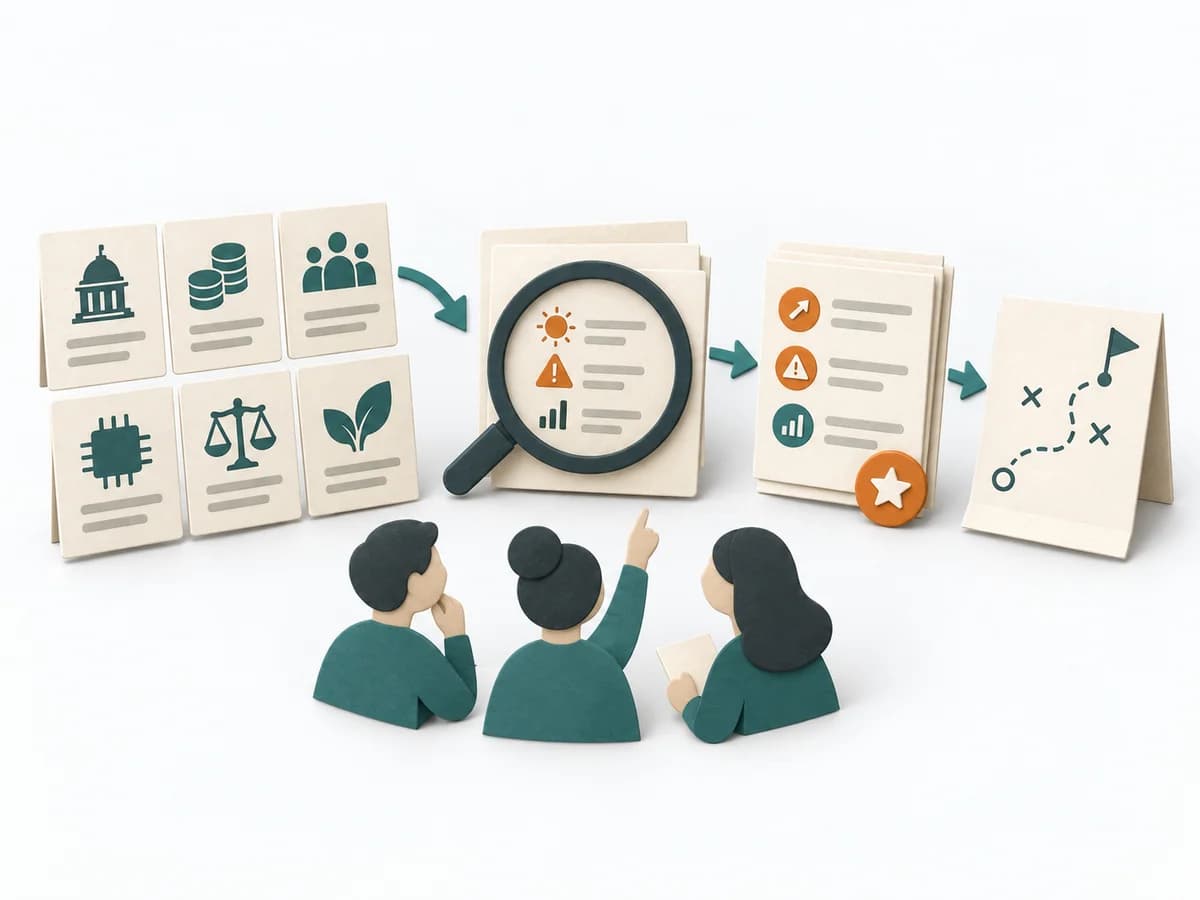 Business Strategy PESTLE Analysis | 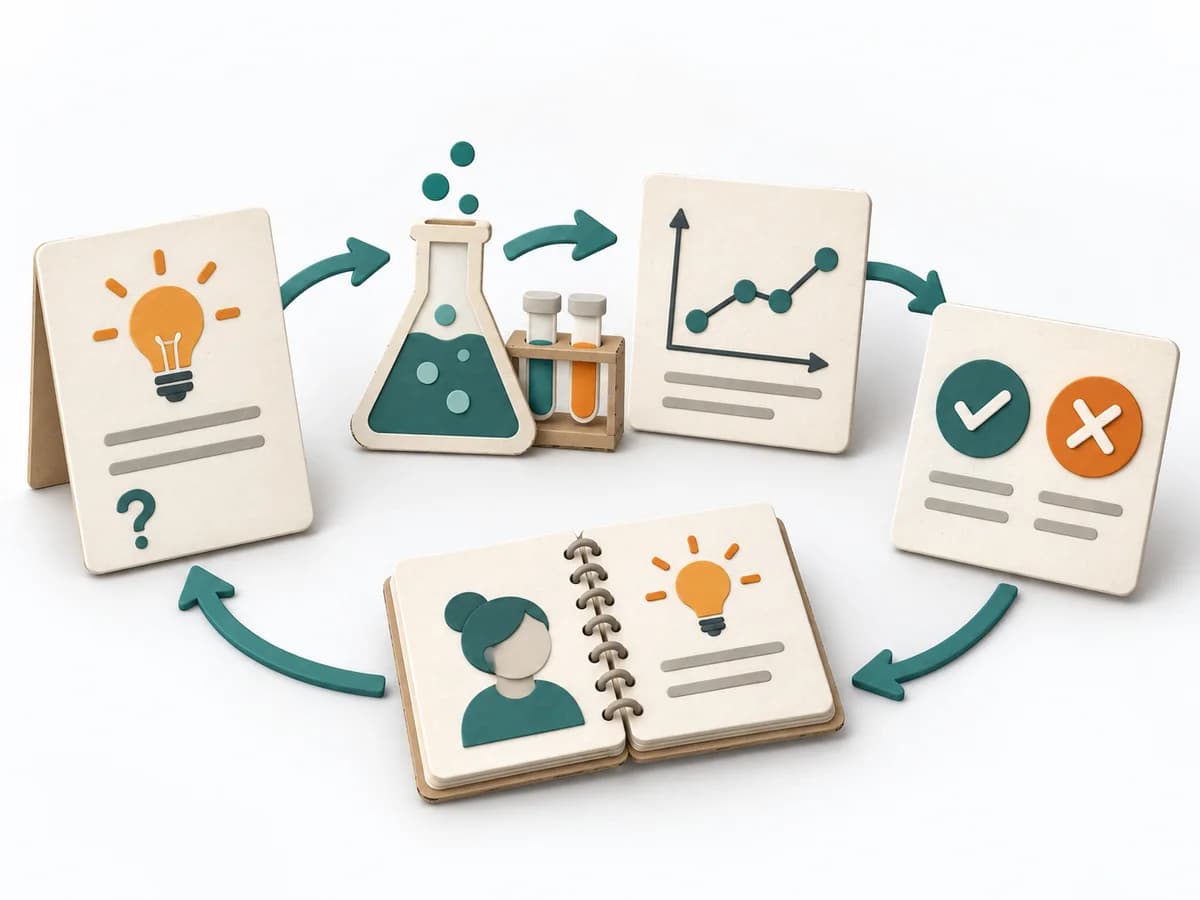 Growth Growth Experiment |  Product Discovery Fake Door Test | 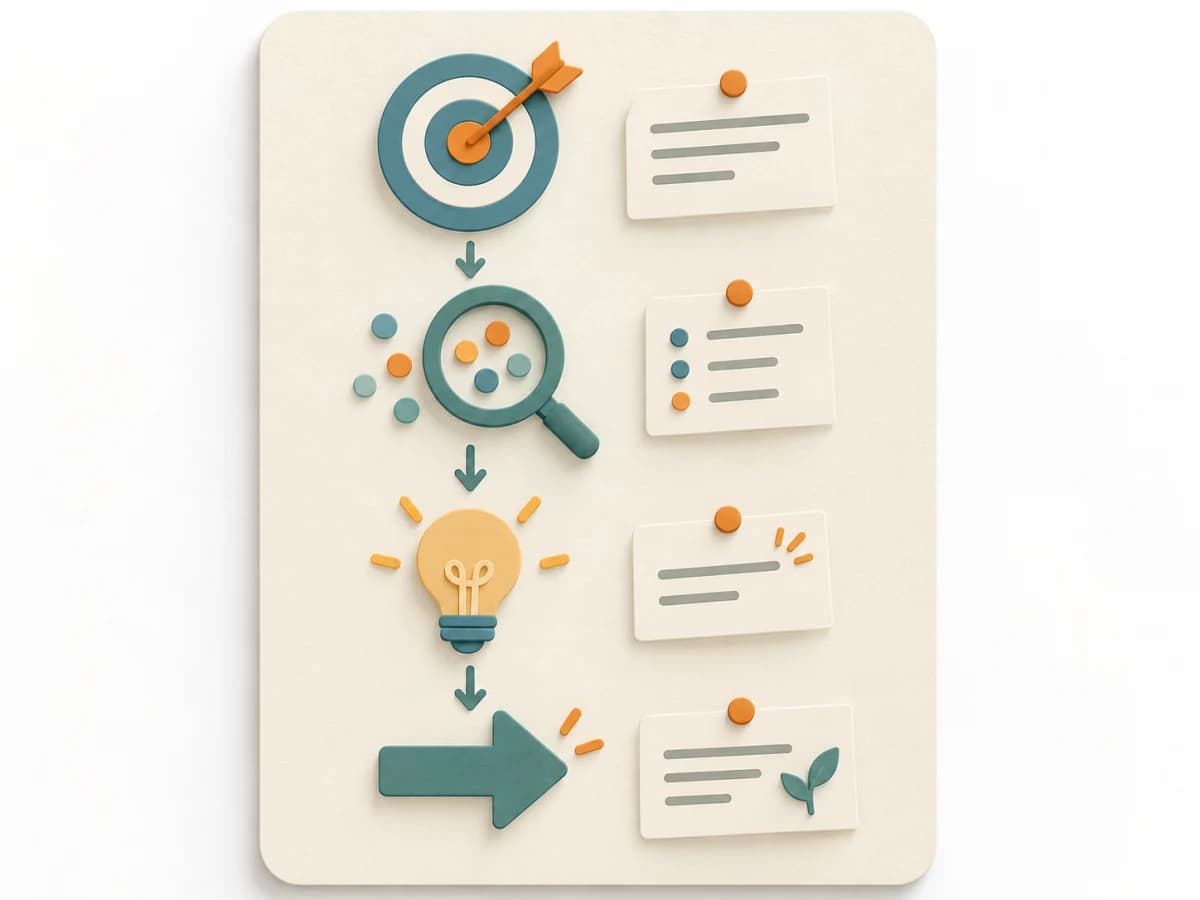 Product Discovery Learning Card |
|---|---|---|---|---|
Purposedifferent | PESTLE Analysis makes political, economic, social, technological, legal, and environmental influences visible. The environment of an initiative is thereby read systematically instead of through isolated trends. | When growth ideas surface quickly, the temptation to build immediately instead of learning is high. A Growth Experiment frames an assumption so target group, lever, and measurement are clear before the first deployment. | When demand is still unclear, it measures interest in a feature before it is built. It separates real behavior from polite agreement and deliberately keeps build effort small. | The Learning Card connects traceable test results to a reasoned next action while keeping the limits of the insight visible. |
Complexitydifferent | Medium | Medium | Medium | Low |
Timedifferent | 1-3 h | 1-2 Wochen | 1-5 Tage | 25-40 min |
Participantsdifferent | 2-10 | 1-6 | Nutzertraffic | 1-5 |
Formatdifferent | Workshop + async | Workshop + async | Async | Workshop + async |
Outputdifferent | PESTLE Map, External Risks, Strategic Questions | Experiment card, Result summary, Next bet | Click Data, Interest Signal, Learning Decision | Learning Card with evidence and next action |
Tagsno overlap | StrategyMarketAnalysis | MarketingGrowthExperimentsLearning | ValidationExperimentsDemandDiscovery | ExperimentsValidationDiscoveryLearning |