View methods side by side.
Choose up to four methods. Add them using the search and share the comparison by copying its link.
| Criterion |  UX Research Personas | 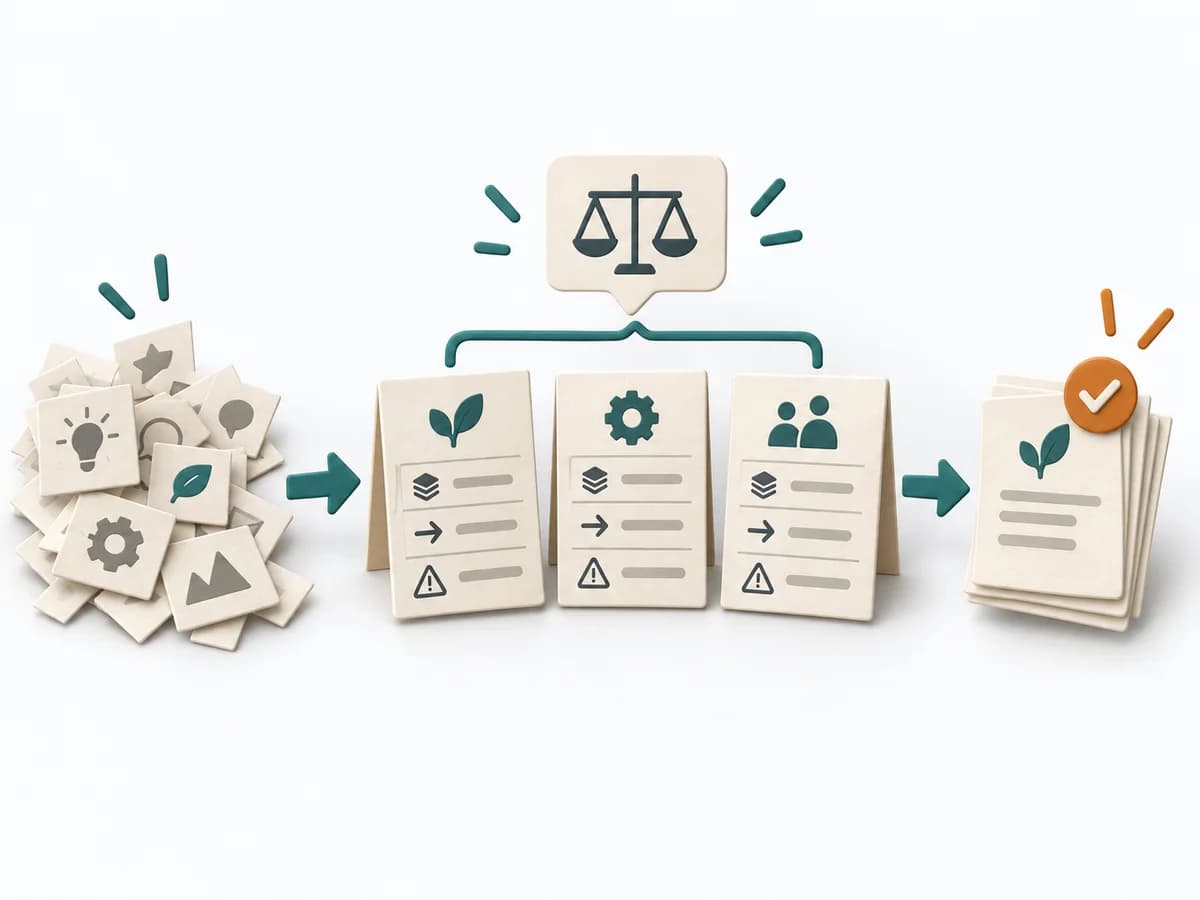 Decision Making Option Framing | 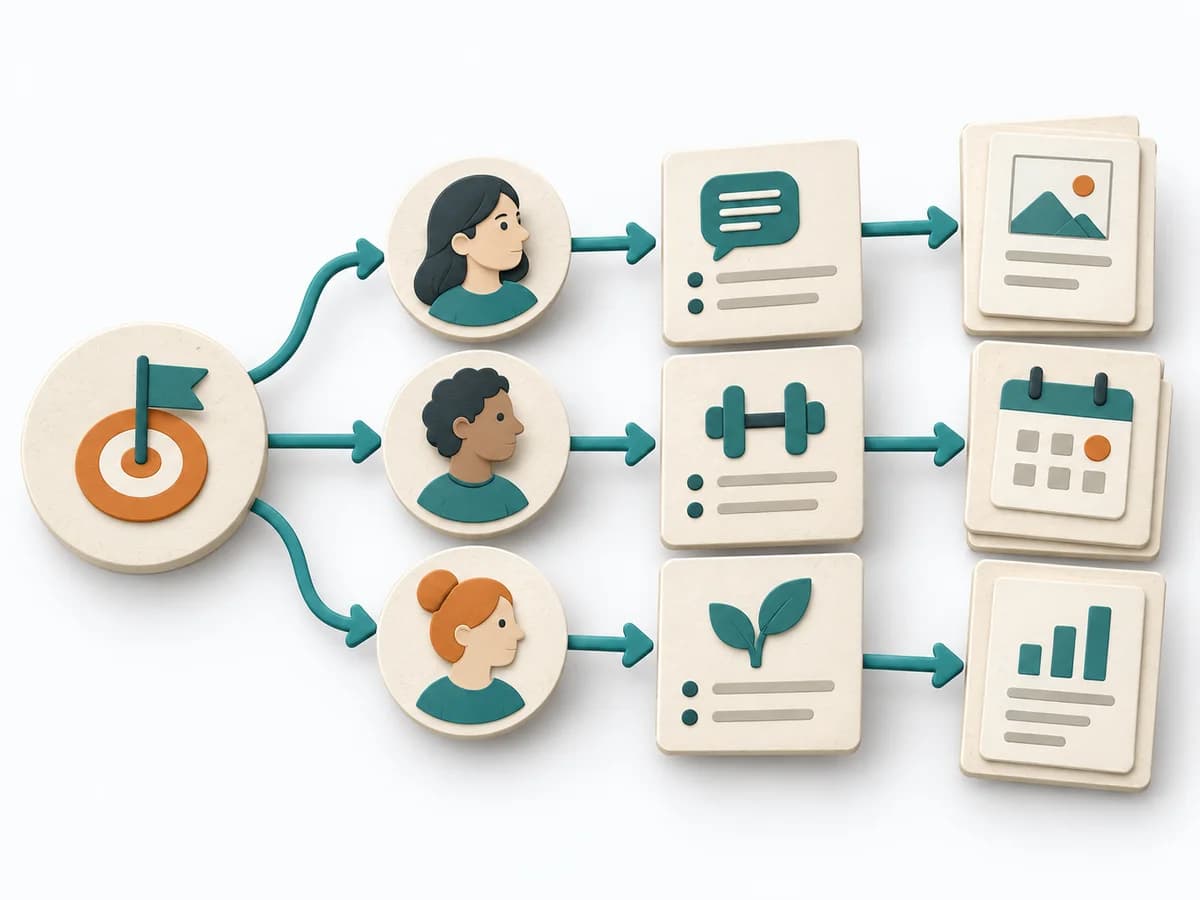 Product Strategy Impact Mapping |  Business Strategy GAP Analysis |
|---|---|---|---|---|
Purposedifferent | When target groups stay too vague and teams talk about the same people differently, personas create a shared, solid picture of usage. Condensed profiles make needs, contexts, and differences tangible enough for decisions. | In early decisions, alternatives are often still vague, incomplete, or blended together. Option Framing brings every possibility into a comparable form and makes visible which variant actually fits the question. | When a goal needs to be connected to several possible paths, it shows chains of impact instead of feature lists. It connects business goal, behavior change, and measures. | GAP Analysis compares the current state with a target picture and makes the distance manageable. It becomes useful when, ahead of new initiatives, it must become clear which capabilities, processes, or resources are missing. |
Complexitysame | Medium | Medium | Medium | Medium |
Timedifferent | 1-3 Tage | 45-120 min | 45-90 min | 1-3 h |
Participantsdifferent | Internes Team | 3-8 | 3-8 | 2-8 |
Formatdifferent | Workshop + async | Workshop + async | Workshop | Workshop + async |
Outputdifferent | Persona Profiles, Needs Summary, Scenario Notes | Option Frames, Assumption Notes, Comparable Shortlist, Decision Inputs | Impact Map, Outcome Hypotheses, Delivery Options | Gap Matrix, Action Plan, Risk Notes |
Tagsno overlap | ResearchCustomerSynthesis | OptionsDecision framingStrategyComparison | OutcomesStrategyBehaviorPlanning | StrategyAnalysisPlanning |