View methods side by side.
Choose up to four methods. Add them using the search and share the comparison by copying its link.
| Criterion | 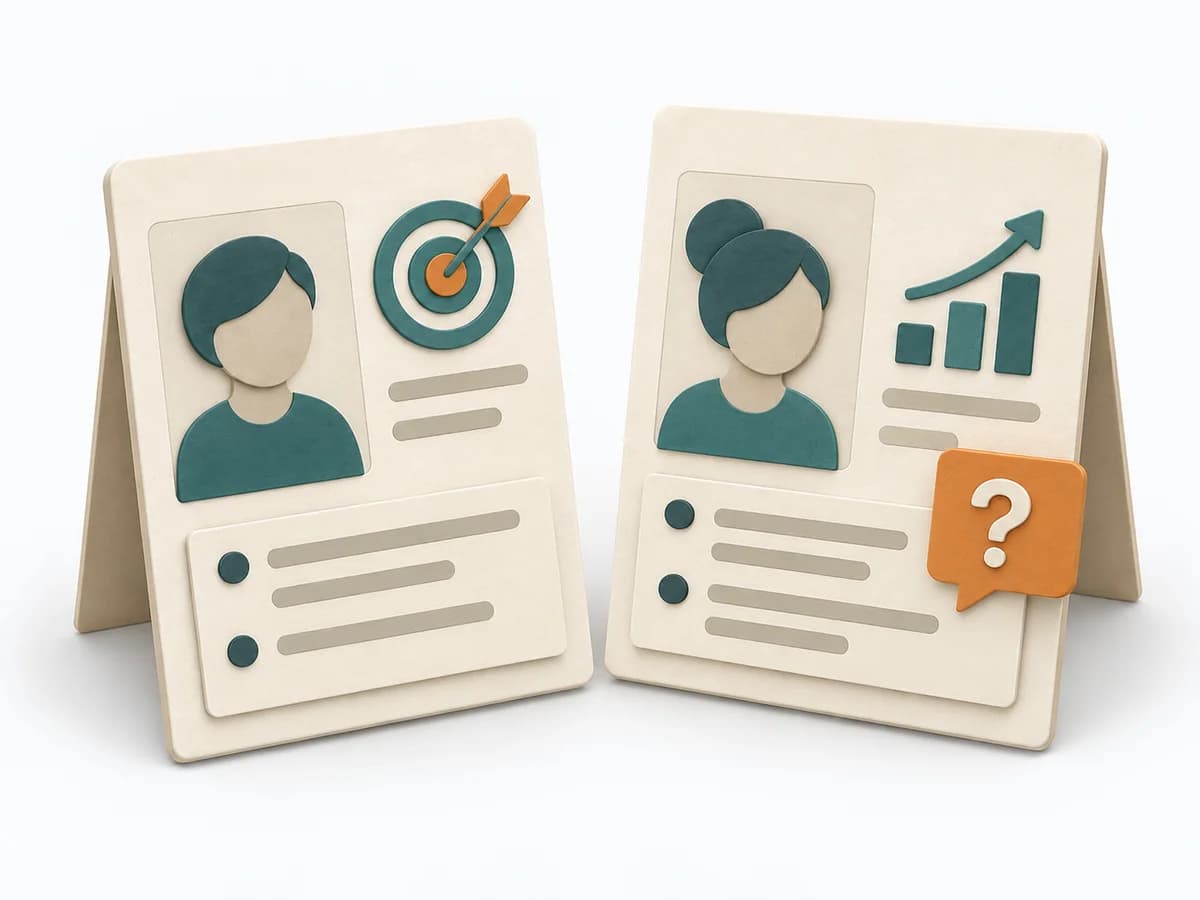 UX Research Personas | 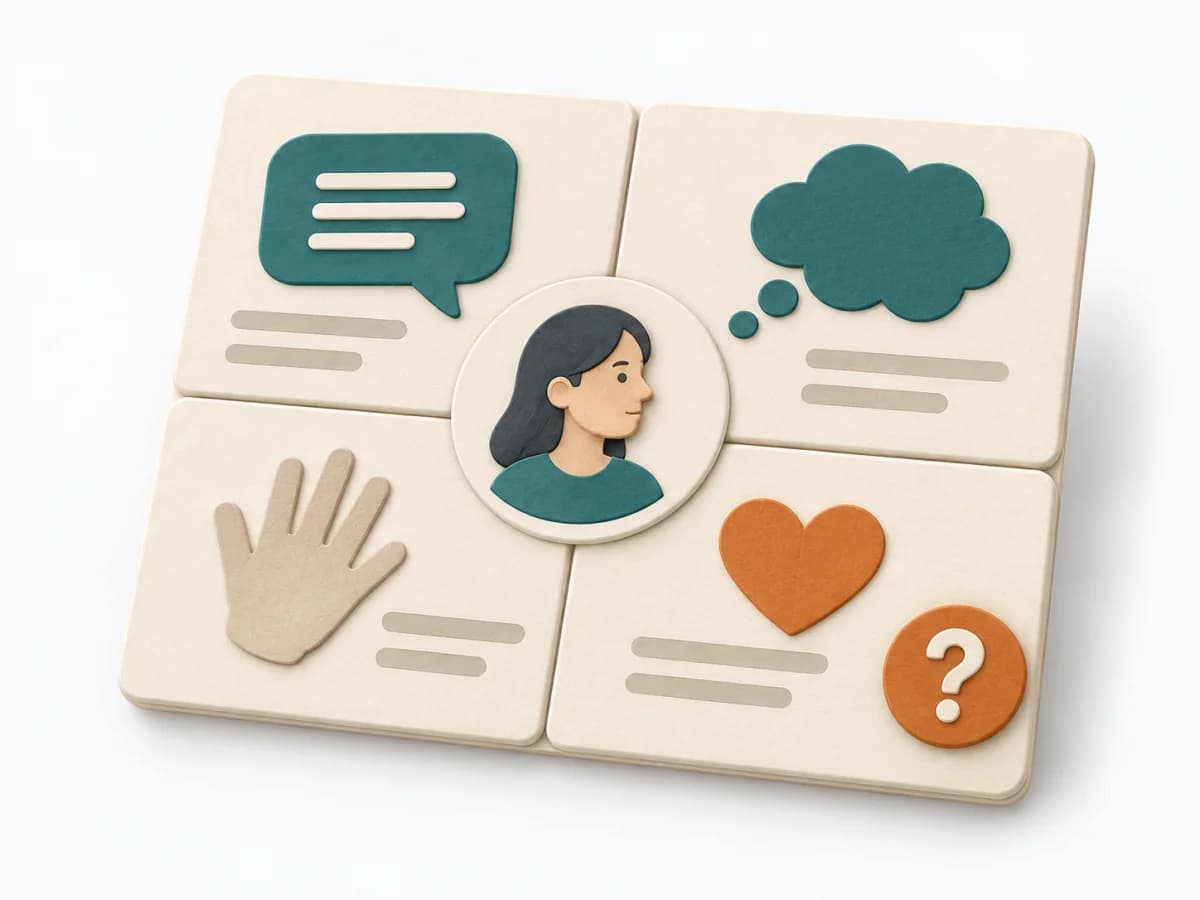 UX Research Empathy Mapping | 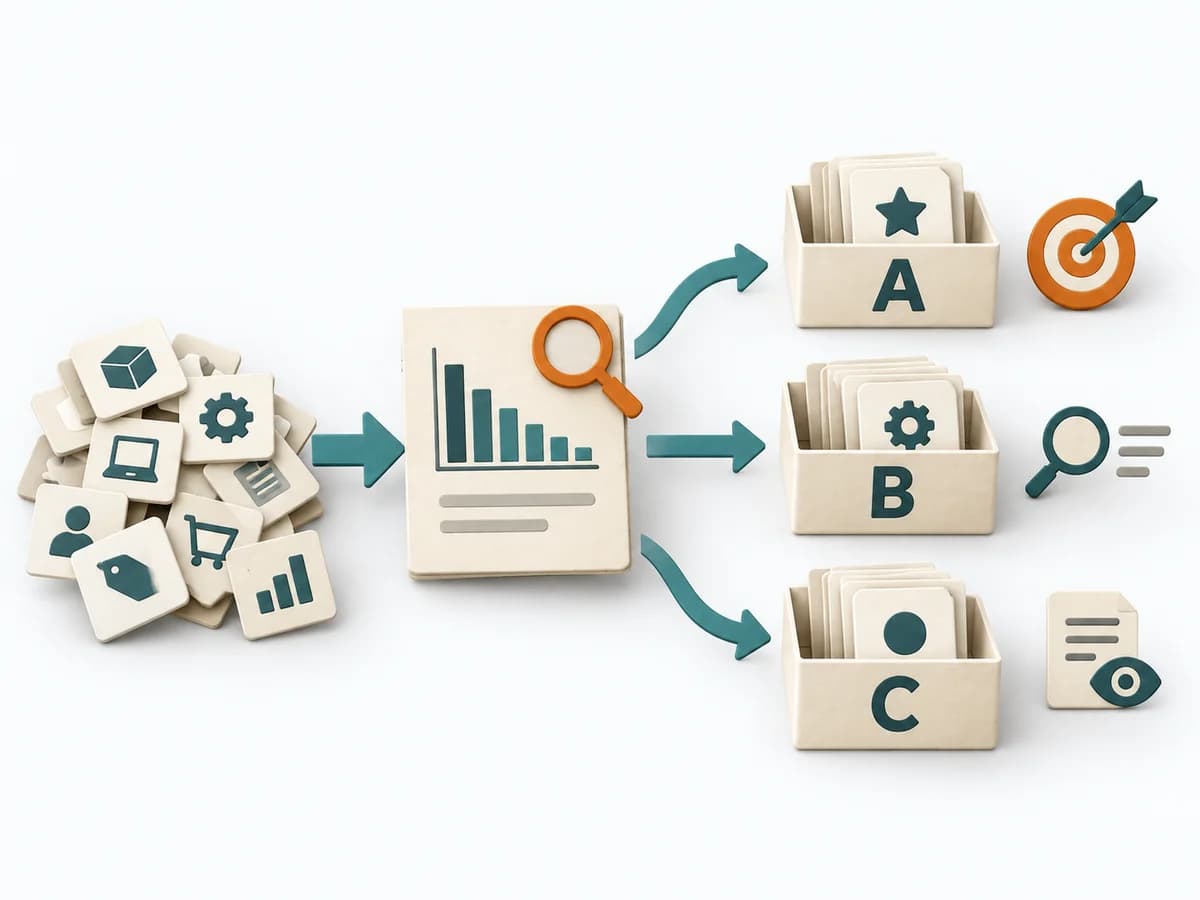 Operations ABC Analysis | 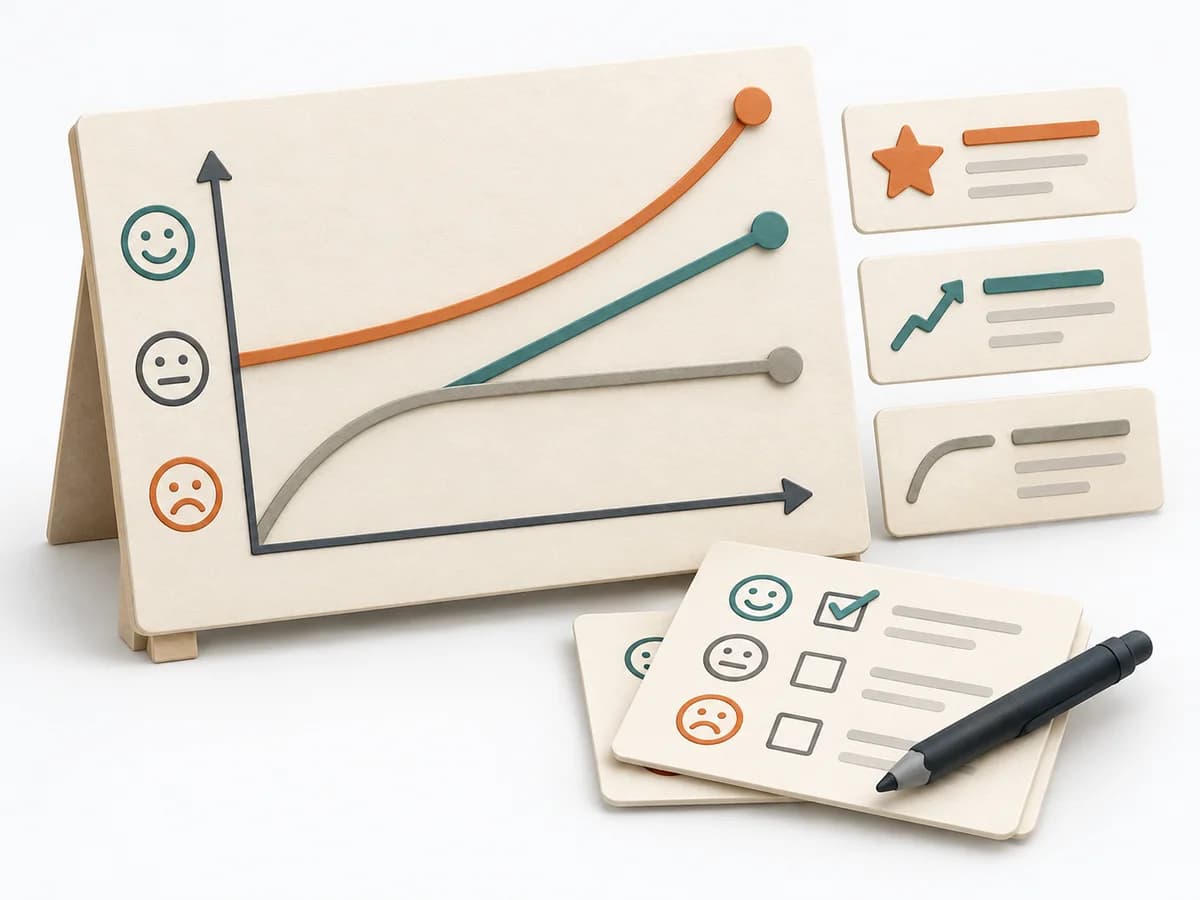 Product Discovery Kano Model |
|---|---|---|---|---|
Purposedifferent | When target groups stay too vague and teams talk about the same people differently, personas create a shared, solid picture of usage. Condensed profiles make needs, contexts, and differences tangible enough for decisions. | When a lot is assumed about a target group but little is seen jointly, empathy mapping makes knowledge and gaps directly comparable. The picture also shows which assumptions hold up and where evidence is missing. | With many similar objects of differing economic significance, the method prioritizes effort by effect. It separates what needs regular steering from what rarely needs attention. | When features need to be distinguished by their effect on satisfaction, it makes expectations and surprises comparable. It separates basic needs, performance contribution, and delight. |
Complexitydifferent | Medium | Low | Low | Medium |
Timedifferent | 1-3 Tage | 30–60 min | 30-60 min | 1-2 Tage |
Participantsdifferent | Internes Team | 4-8 | 1-5 | 10-50 |
Formatdifferent | Workshop + async | Workshop | Async | Workshop + async |
Outputdifferent | Persona Profiles, Needs Summary, Scenario Notes | Empathy Map, Assumptions List, Research Gaps | ABC Classification, Focus Rules, Control List | Kano Matrix, Feature Classes, Priority Themes |
Tagsno overlap | ResearchCustomerSynthesis | SynthesisQualitativeWorkshop | PrioritizationOperationsPortfolio | SatisfactionPrioritizationCustomer |