View methods side by side.
Choose up to four methods. Add them using the search and share the comparison by copying its link.
| Criterion | 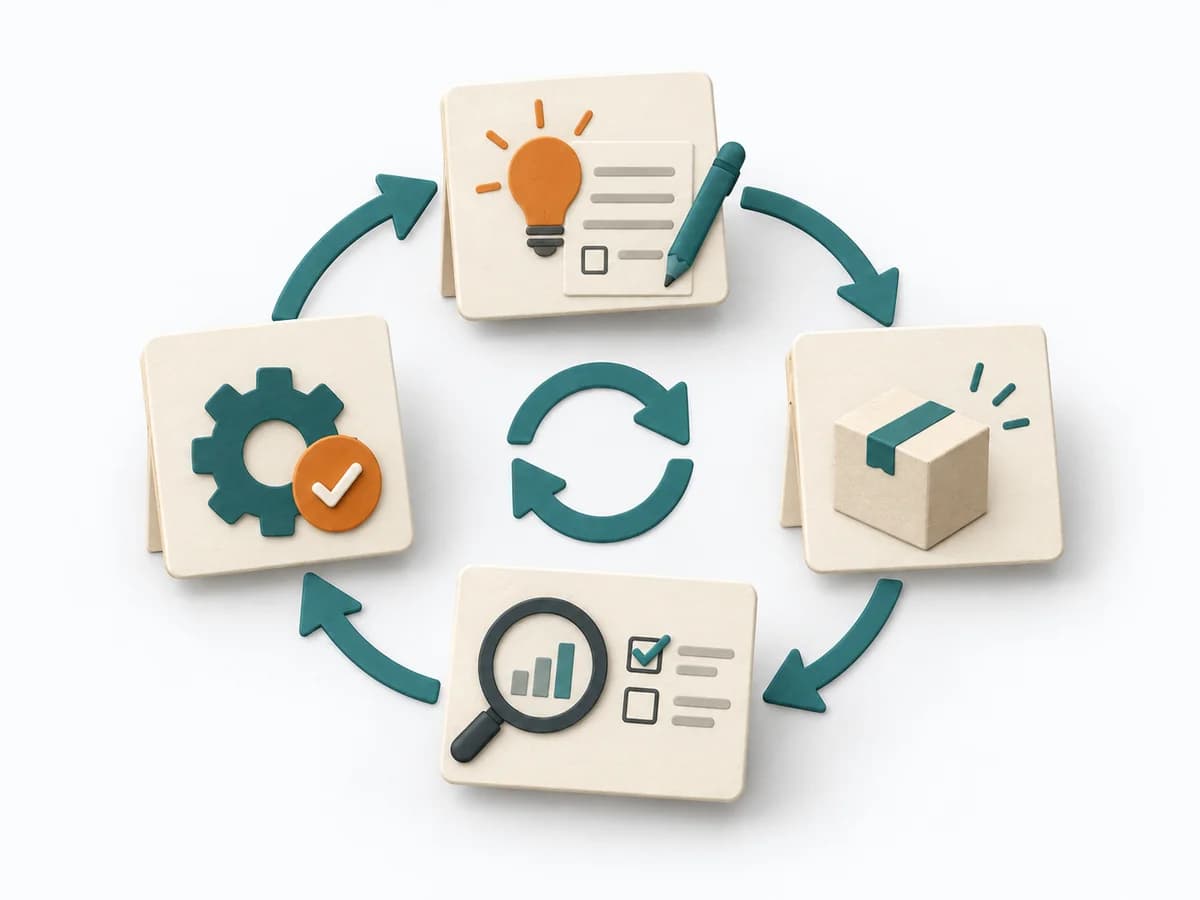 Operations PDCA Cycle | 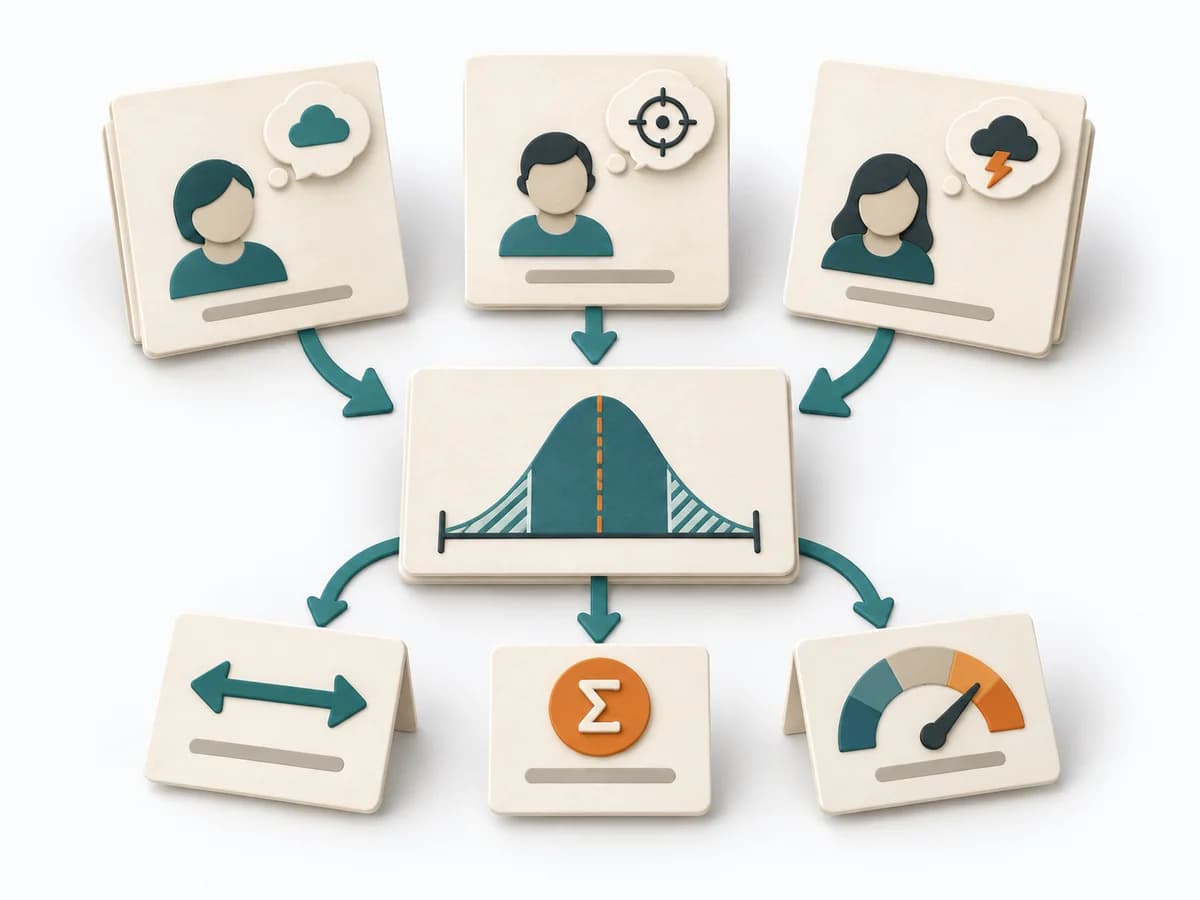 Decision Making Three-Point Estimation | 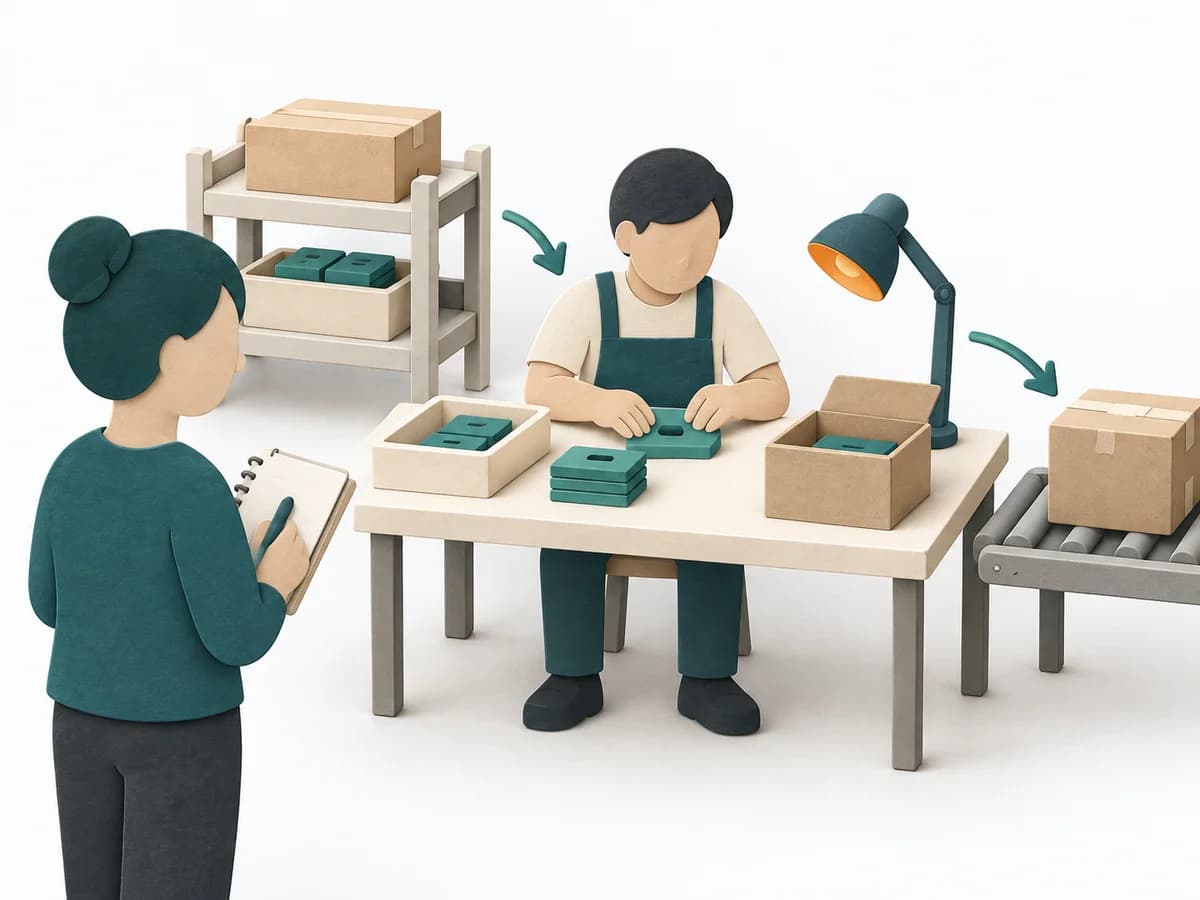 Operations Gemba Walk | 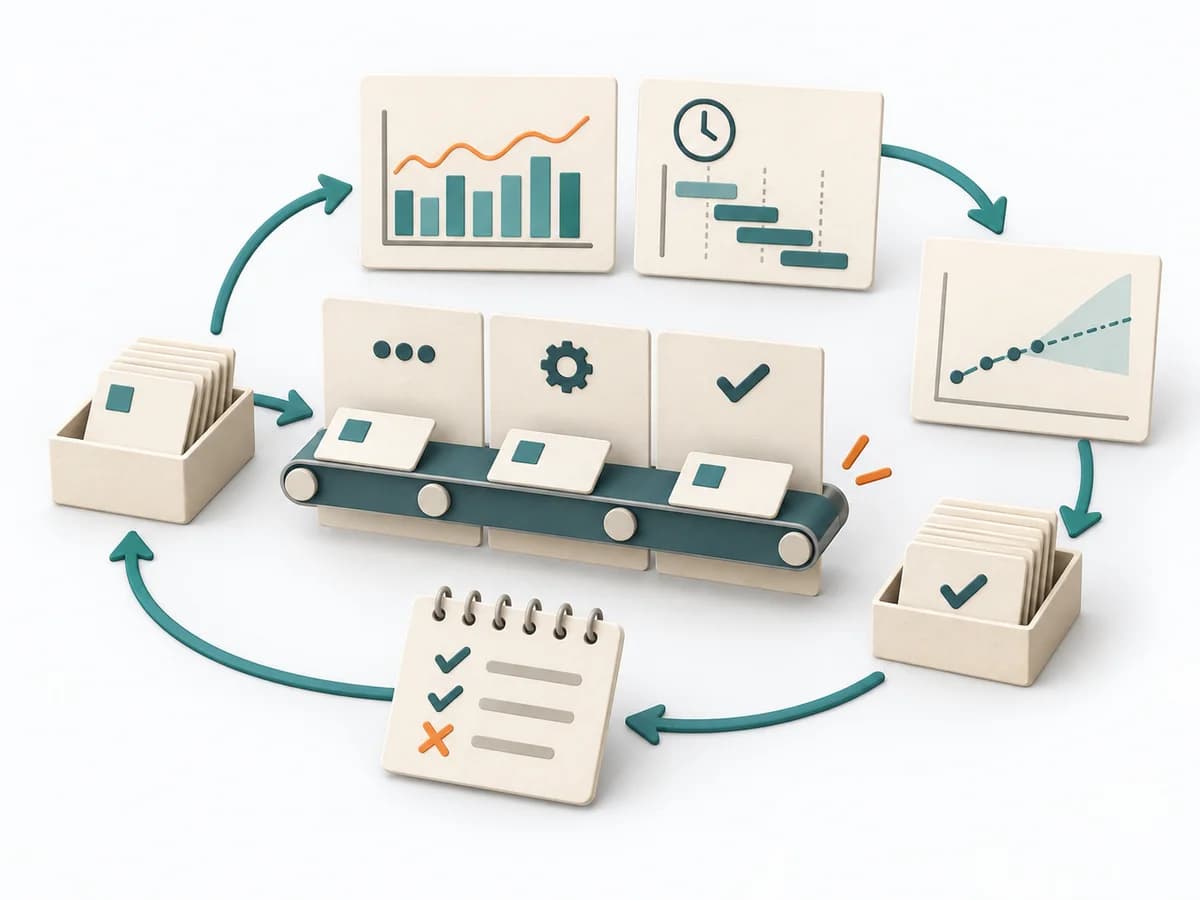 Agile NoEstimates |
|---|---|---|---|---|
Purposedifferent | For an improvement that still has to prove itself in everyday work, the method runs it through small learning loops. It connects planning, checking, and standardization into a repeatable learning mode. | A single estimate for effort, time, or risk often looks too smooth for the real uncertainty behind it. It separates options, evaluation criteria, and open risks. The result is captured as a Three-Point Estimate, Risk Range, and Assumption Notes. | When there is uncertainty about the real course of a process, the method brings observation to the place where work happens. It combines perception, follow-up questions, and process knowledge so decisions rest on actual workflows instead of assumptions. | When estimating slows a team down more than it helps, it shifts the focus to flow, small slices, and real lead time. It sorts work by value, risk, and delivery ability. The result is captured as Throughput Data, Flow Forecast, and Slicing Rules. |
Complexitydifferent | Low | Medium | Low | Medium |
Timedifferent | 1 h bis mehrere Wochen | 10-30 min je Item | 30-120 min | laufend |
Participantsdifferent | 1-8 | 1-8 | 2-6 | 2-12 |
Formatdifferent | Workshop + async | Workshop + async | Workshop | Workshop + async |
Outputdifferent | PDCA Log, Experiment Plan, Learning Outcome, Standard Change | Three-Point Estimate, Risk Range, Assumption Notes | Observation Notes, Improvement Ideas | Throughput Data, Flow Forecast, Slicing Rules |
Tagsno overlap | Continuous improvementLeanExperiments | EstimationUncertaintyForecasting | LeanObservationProcessOperations | EstimationForecastingFlow |