View methods side by side.
Choose up to four methods. Add them using the search and share the comparison by copying its link.
| Criterion | 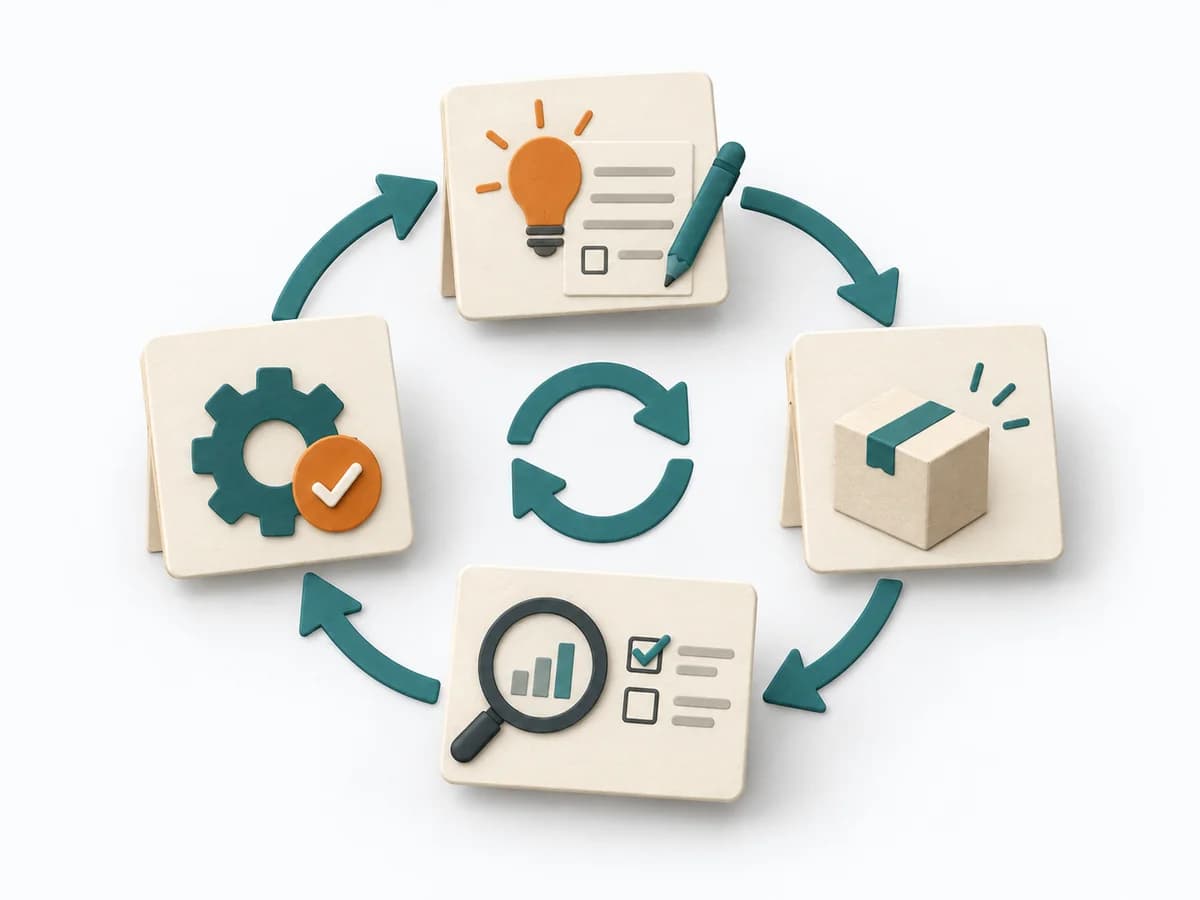 Operations PDCA Cycle | 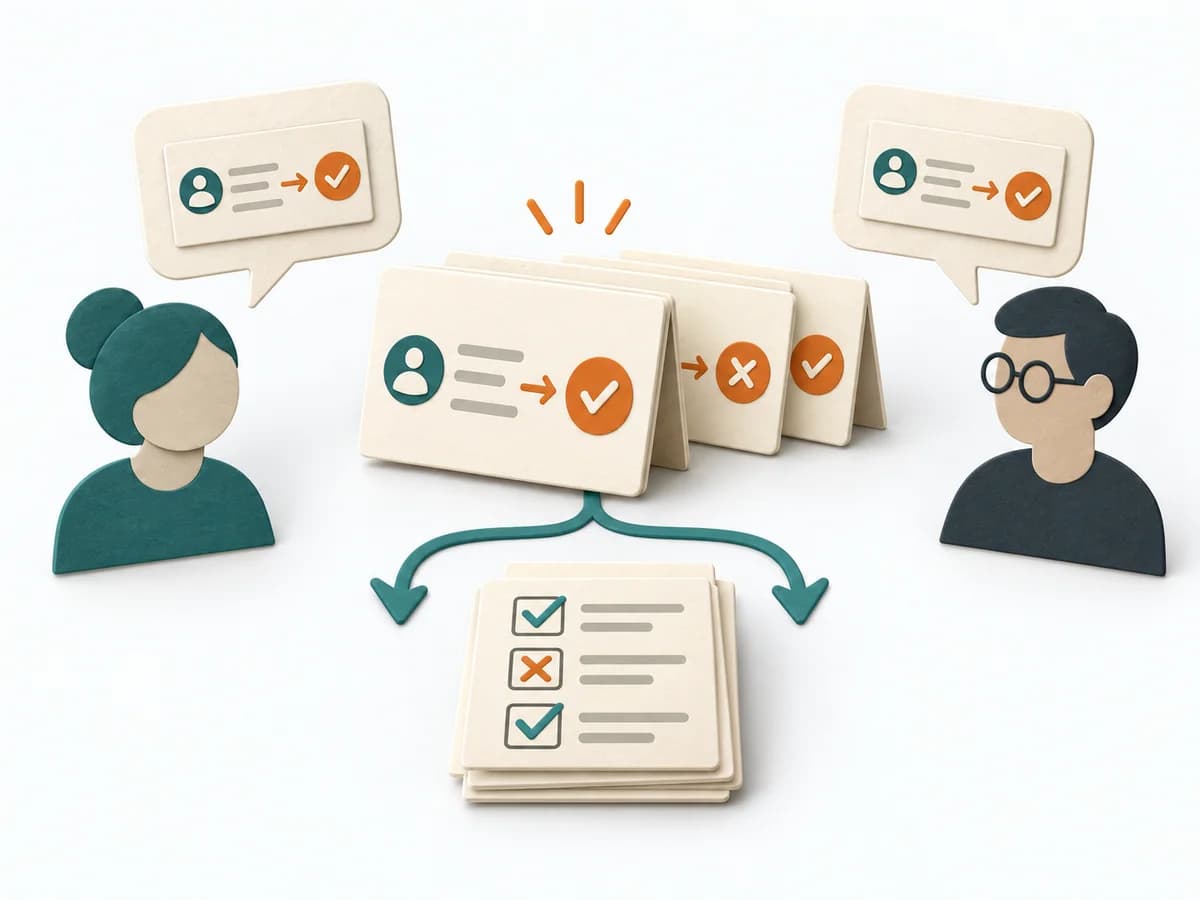 Agile Specification by Example |  Operations 5 Whys | 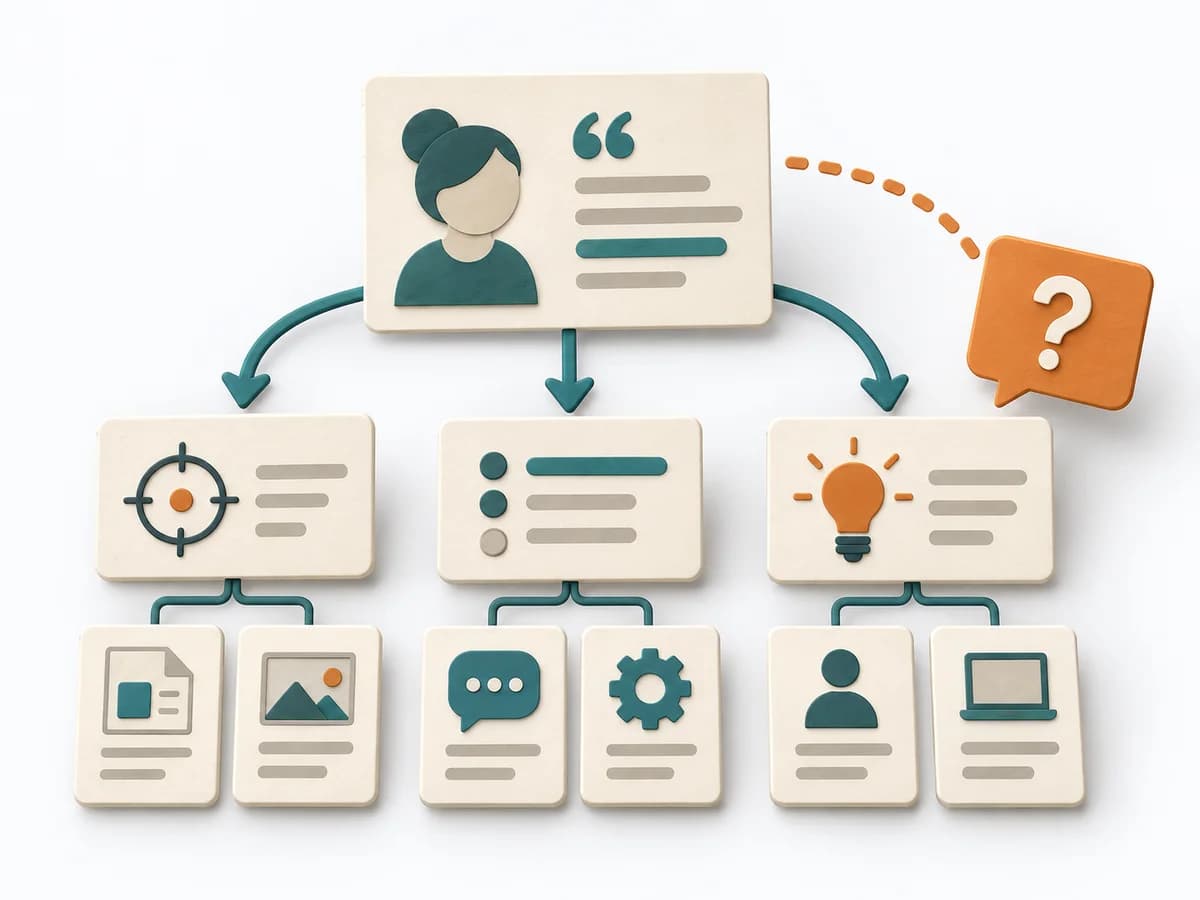 Agile Example Mapping |
|---|---|---|---|---|
Purposedifferent | For an improvement that still has to prove itself in everyday work, the method runs it through small learning loops. It connects planning, checking, and standardization into a repeatable learning mode. | When business rules need to become precise, it ties language, example, and test together. It sorts work by value, risk, and delivery ability. The result is captured as an Example Table and Acceptance Tests. | For a single, hard-to-explain deviation, the method exposes the causal chain behind the visible symptom. It keeps the cause open until a controllable condition emerges instead of a mere description. | When a story carries business rules and exceptions, it brings clarity before implementation. It makes examples, open questions, and boundaries visible enough that the logic becomes jointly sound. |
Complexitydifferent | Low | Medium | Low | Low |
Timedifferent | 1 h bis mehrere Wochen | 60-90 min pro Feature | 15-30 min | 30-60 min |
Participantsdifferent | 1-8 | 3-6 | 2-6 | 3-7 |
Formatdifferent | Workshop + async | Workshop | Workshop | Workshop |
Outputdifferent | PDCA Log, Experiment Plan, Learning Outcome, Standard Change | Example Table, Acceptance Tests | Root cause notes, Countermeasures | Example Map, Acceptance Criteria, Open Questions |
Tagsno overlap | Continuous improvementLeanExperiments | AgileRequirementsExamplesBehavior-Driven Development | Root causeIncidentLeanProblem solving | Behavior-Driven DevelopmentRequirementsExamplesRefinement |