View methods side by side.
Choose up to four methods. Add them using the search and share the comparison by copying its link.
| Criterion | 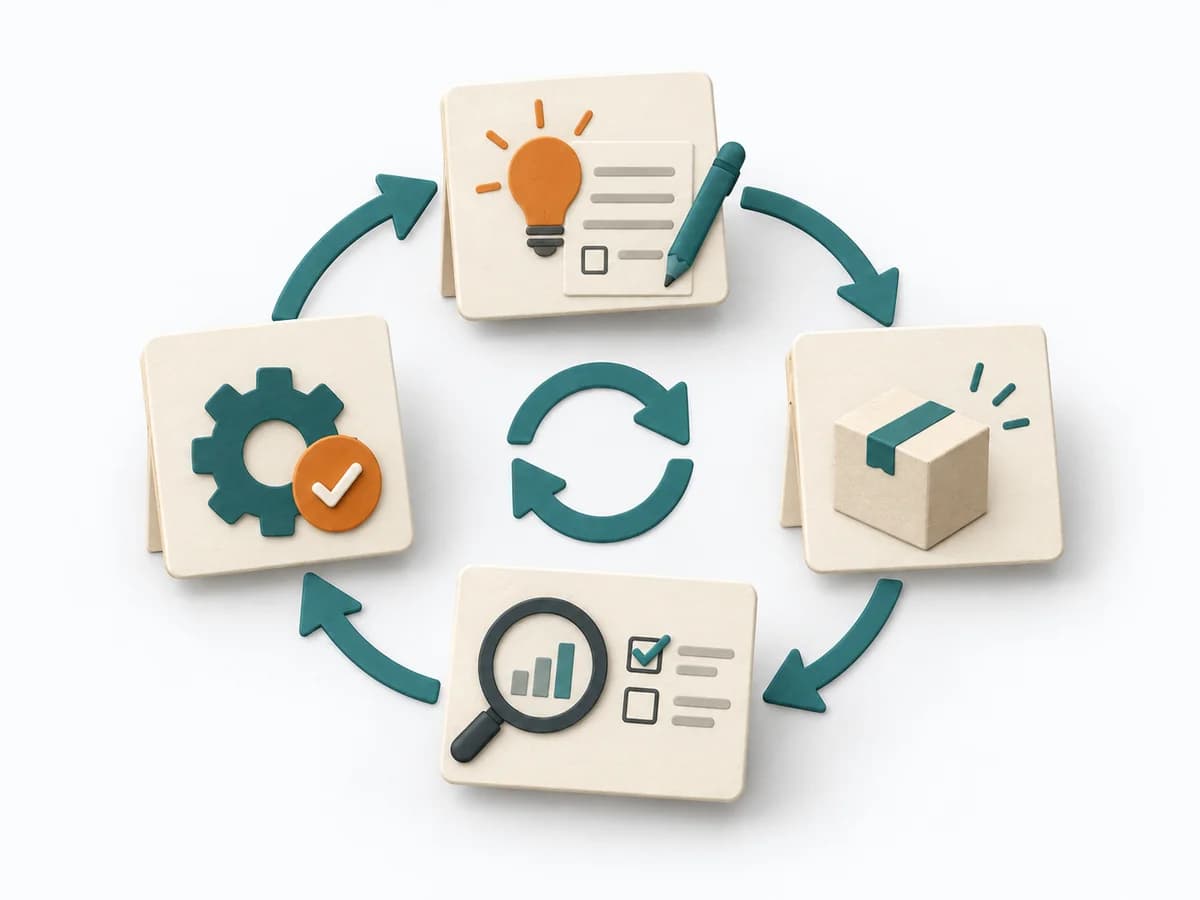 Operations PDCA Cycle | 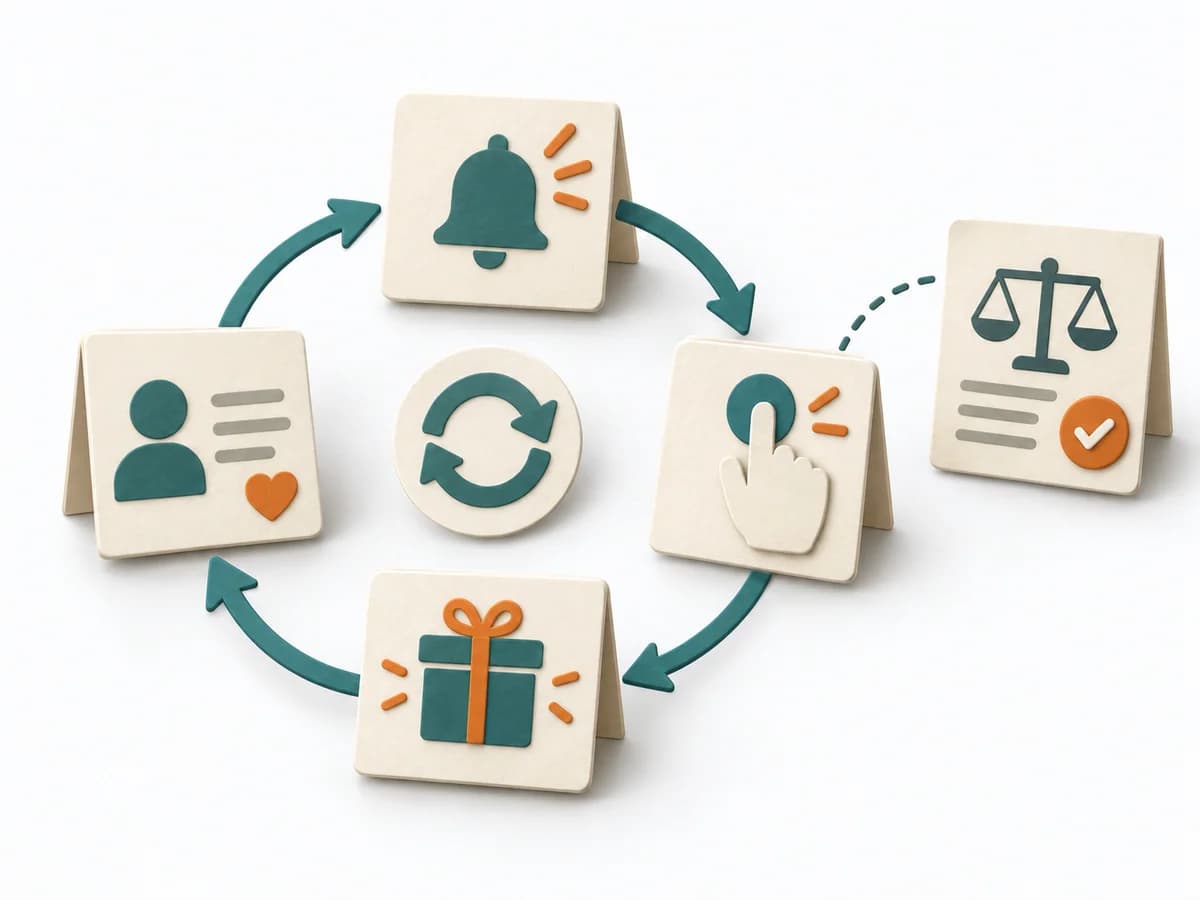 Growth Hooked Model | 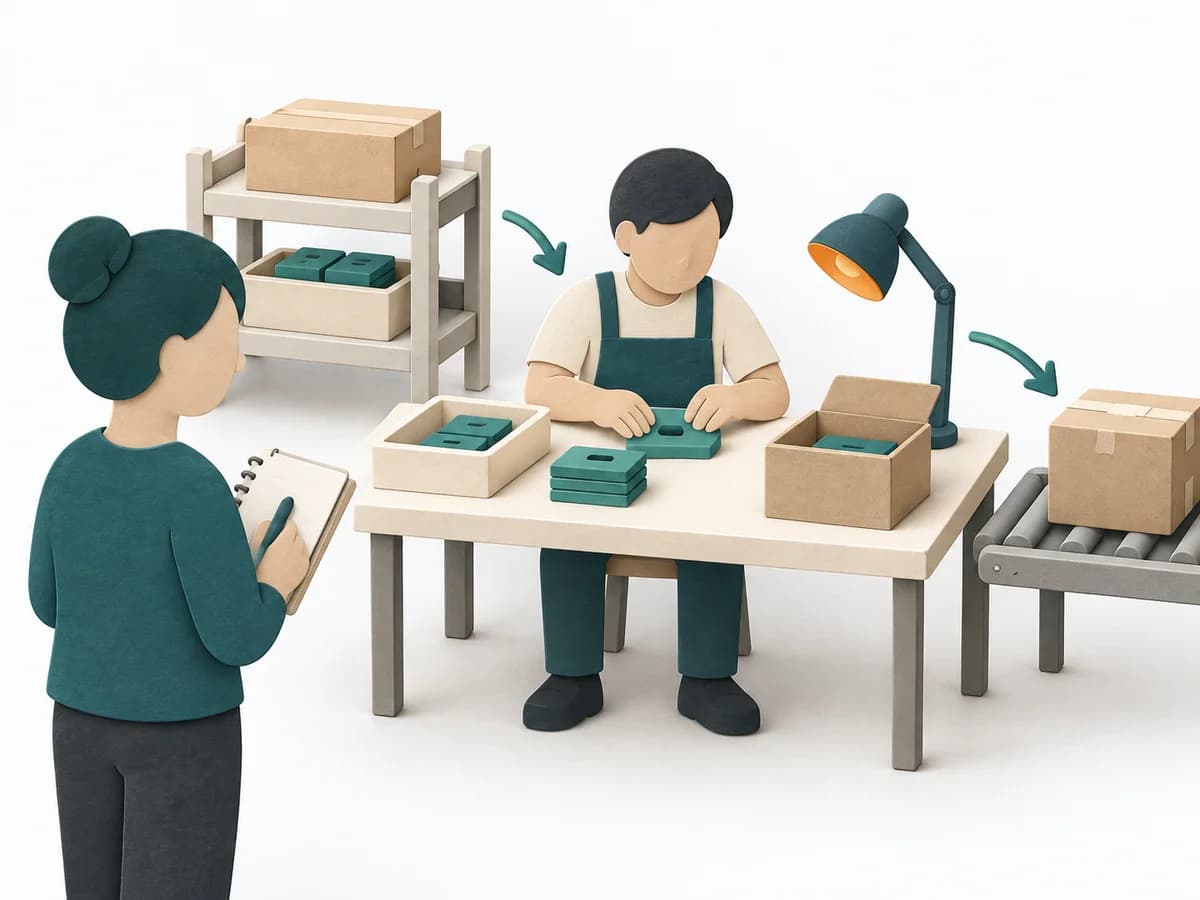 Operations Gemba Walk | 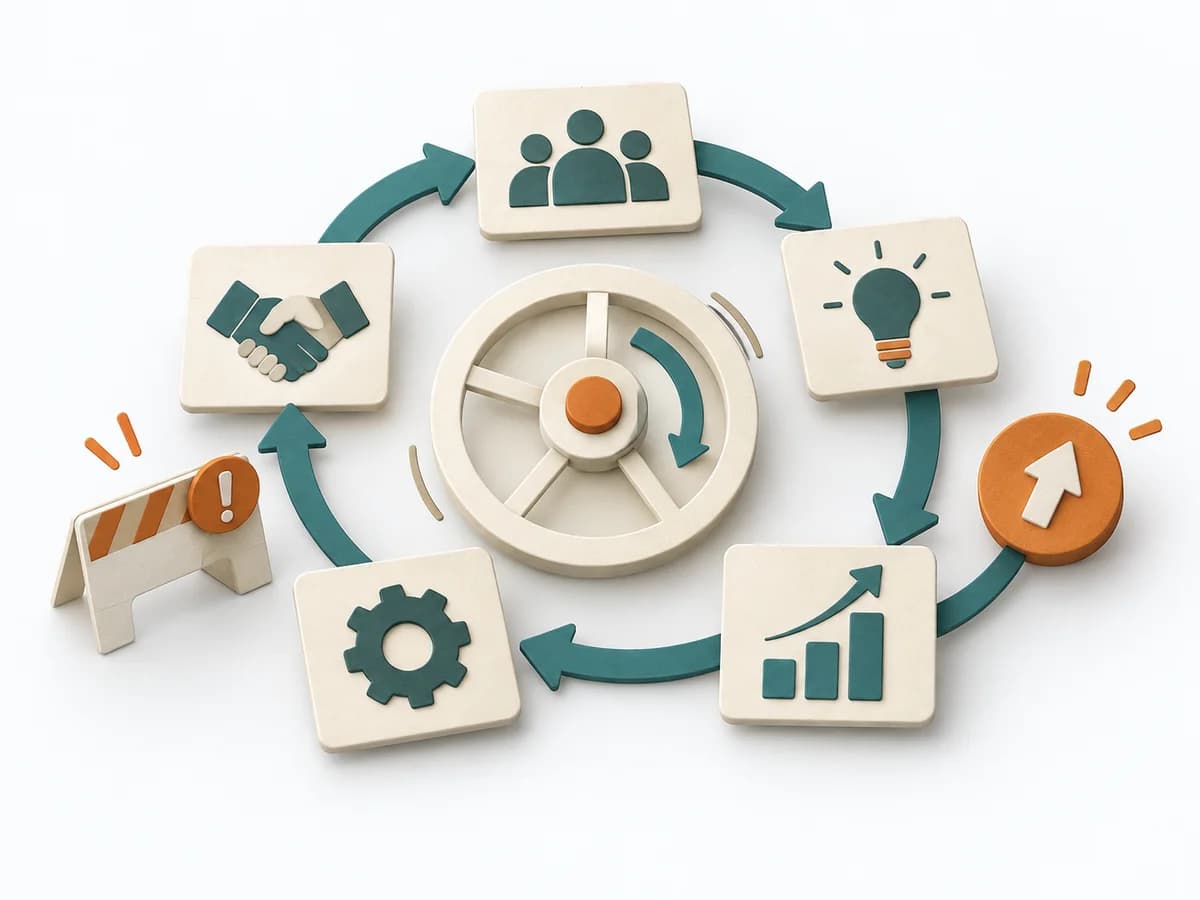 Growth Flywheel |
|---|---|---|---|---|
Purposedifferent | For an improvement that still has to prove itself in everyday work, the method runs it through small learning loops. It connects planning, checking, and standardization into a repeatable learning mode. | The Hooked Model helps clarify engagement loops, user behavior, and experiments. It makes repeat behavior measurable and captures the result as a hooked loop, trigger map, and reward design. | When there is uncertainty about the real course of a process, the method brings observation to the place where work happens. It combines perception, follow-up questions, and process knowledge so decisions rest on actual workflows instead of assumptions. | Growth often breaks down where a reinforcing mechanism builds up too much friction. A Flywheel shows the cycle of value, repetition, and reinforcement meant to sustain growth. |
Complexitydifferent | Low | Medium | Low | Medium |
Timedifferent | 1 h bis mehrere Wochen | Multiple workshops over several weeks | 30-120 min | 60-120 min |
Participantsdifferent | 1-8 | 2-8 | 2-6 | 3-8 |
Formatdifferent | Workshop + async | Workshop + async | Workshop | Workshop |
Outputdifferent | PDCA Log, Experiment Plan, Learning Outcome, Standard Change | Hooked loop, Trigger map, Reward design, Ethics check | Observation Notes, Improvement Ideas | Flywheel Map, Friction Points, Growth Levers, Experiment Backlog |
Tagsno overlap | Continuous improvementLeanExperiments | GrowthBehaviorRetention | LeanObservationProcessOperations | GrowthRetentionConversion |