View methods side by side.
Choose up to four methods. Add them using the search and share the comparison by copying its link.
| Criterion | 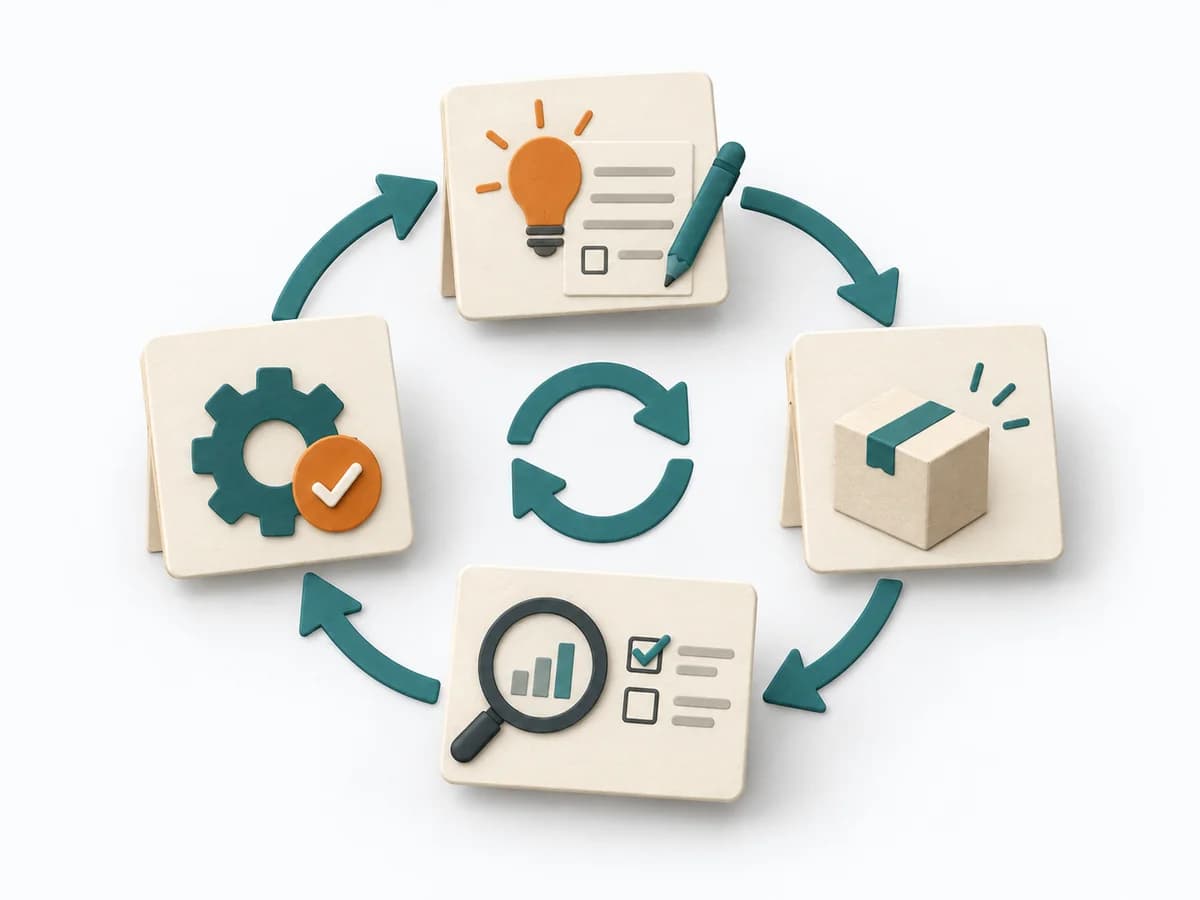 Operations PDCA Cycle | 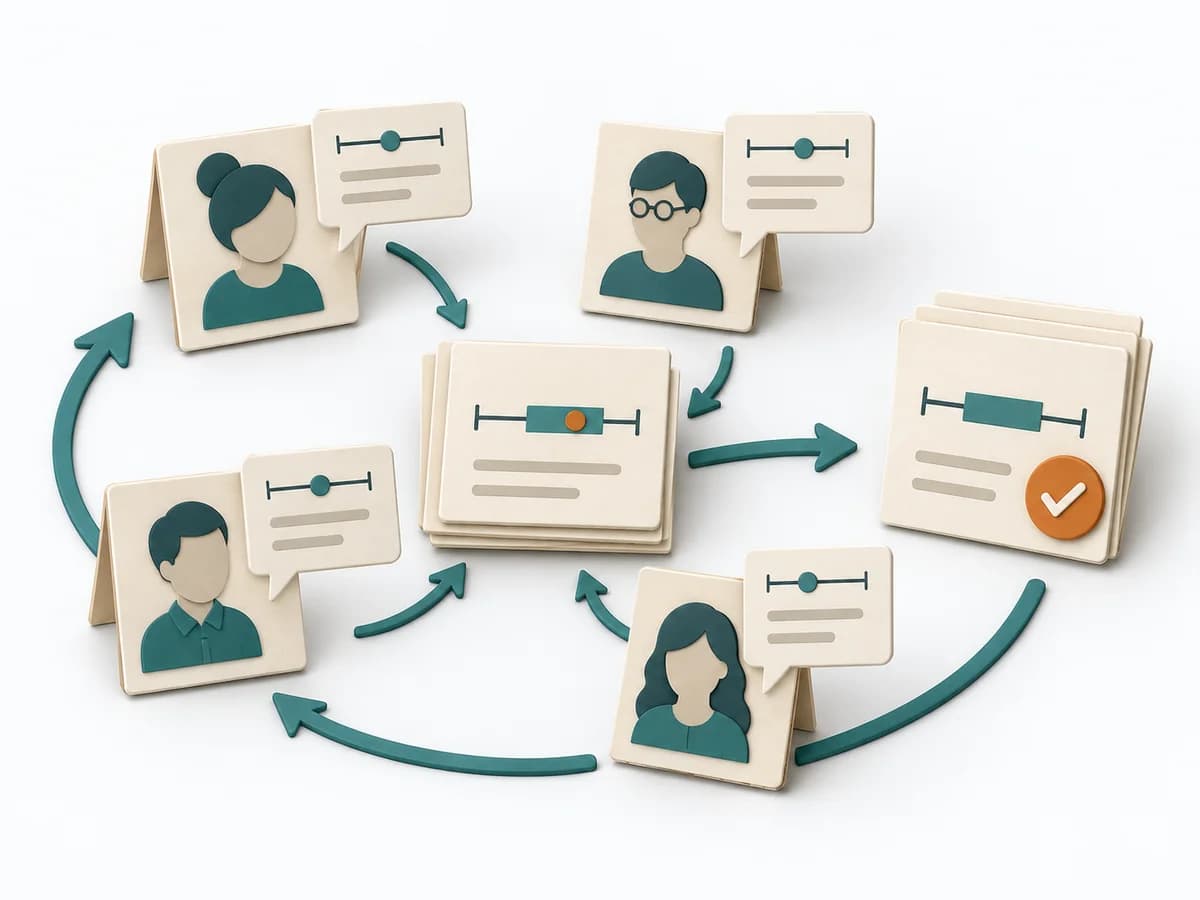 Decision Making Delphi Method |  Operations 5 Whys | 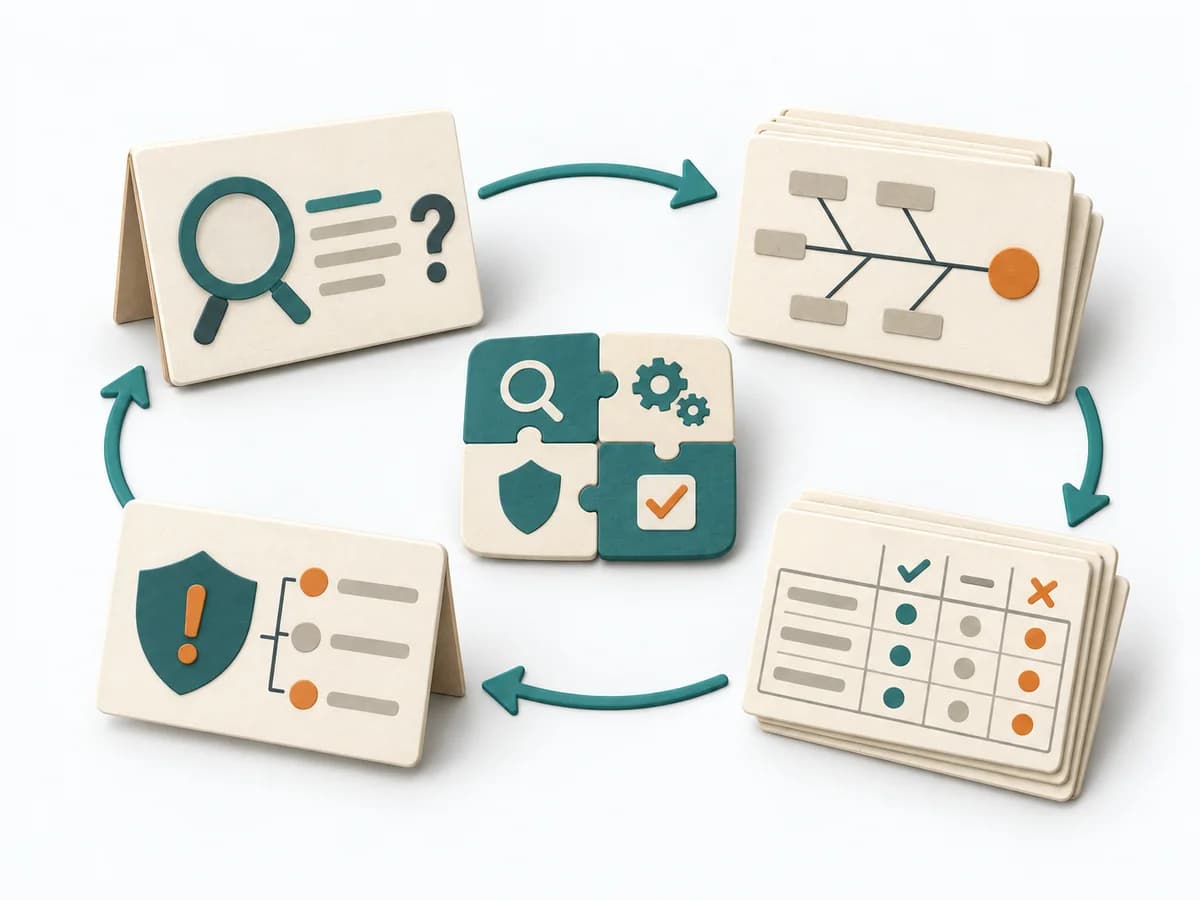 Operations Kepner-Tregoe |
|---|---|---|---|---|
Purposedifferent | For an improvement that still has to prove itself in everyday work, the method runs it through small learning loops. It connects planning, checking, and standardization into a repeatable learning mode. | When knowledge is distributed and direct dominance should be avoided, groups quickly fall under the sway of their opinion leaders. The Delphi Method gathers assessments iteratively and gradually brings expert judgments closer together. | For a single, hard-to-explain deviation, the method exposes the causal chain behind the visible symptom. It keeps the cause open until a controllable condition emerges instead of a mere description. | For a disturbance that's hard to pin down, the method cleanly separates problem, cause, and decision. It reduces mixing when symptoms allow several interpretations. |
Complexitydifferent | Low | High | Low | High |
Timedifferent | 1 h bis mehrere Wochen | 1-4 Wochen | 15-30 min | 2-8 h |
Participantsdifferent | 1-8 | 6-30 Experten | 2-6 | 2-8 |
Formatdifferent | Workshop + async | Async | Workshop | Workshop + async |
Outputdifferent | PDCA Log, Experiment Plan, Learning Outcome, Standard Change | Expert Forecast, Consensus Range, Assumption Notes | Root cause notes, Countermeasures | Problem Analysis, Decision Analysis, Risk Plan |
Tagsno overlap | Continuous improvementLeanExperiments | ForecastingExpertsDecisionStrategy | Root causeIncidentLeanProblem solving | Problem solvingRoot causeDecisionOperations |