View methods side by side.
Choose up to four methods. Add them using the search and share the comparison by copying its link.
| Criterion |  Knowledge Modeling PARA Method | 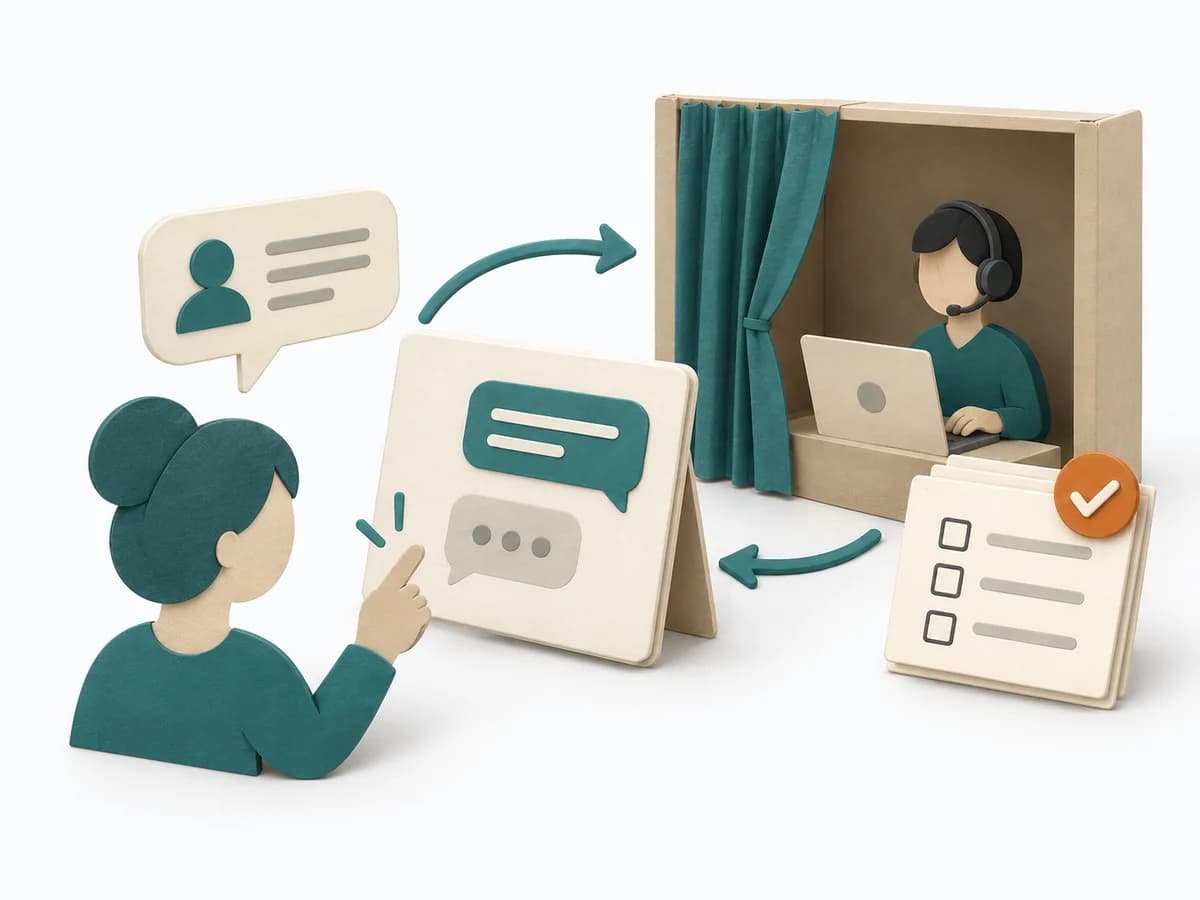 Product Discovery Wizard of Oz Test | 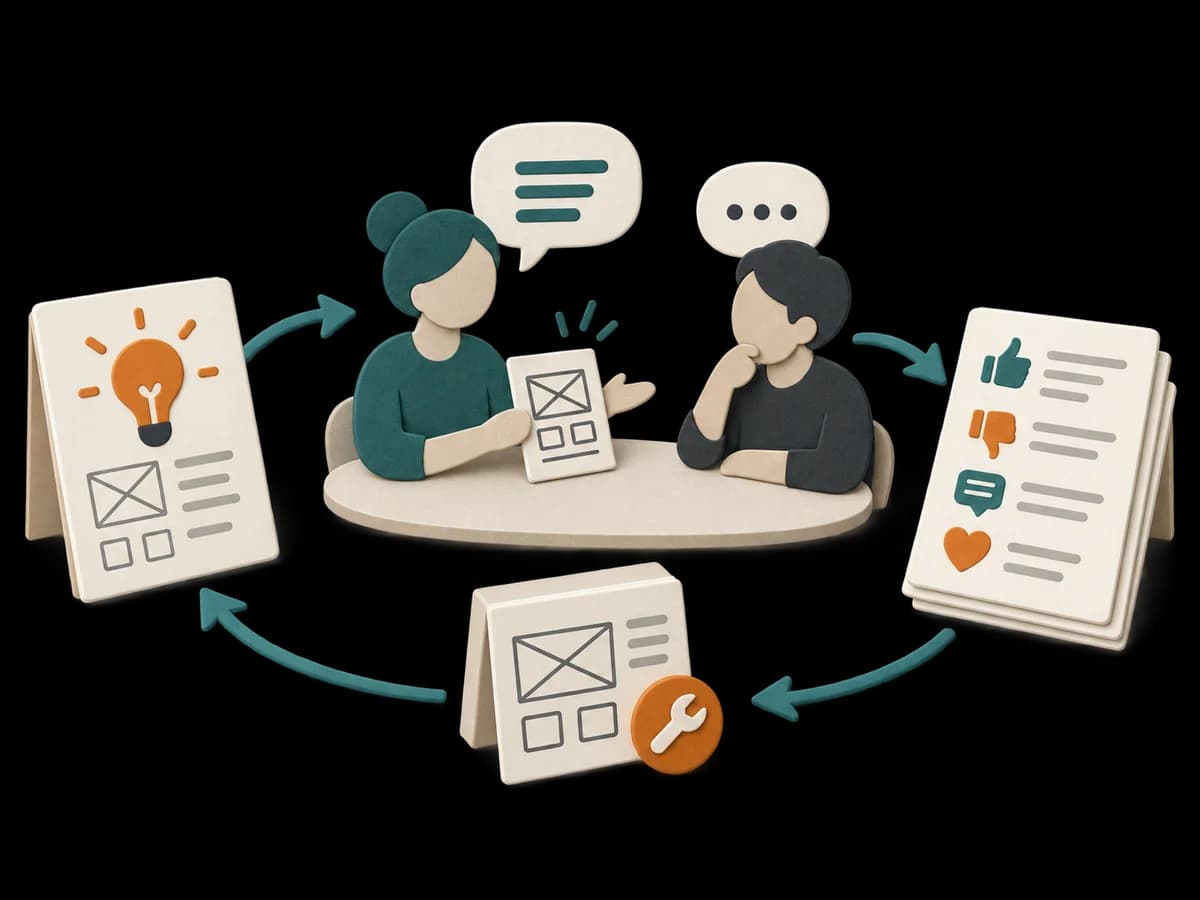 Product Discovery Solution Interview | 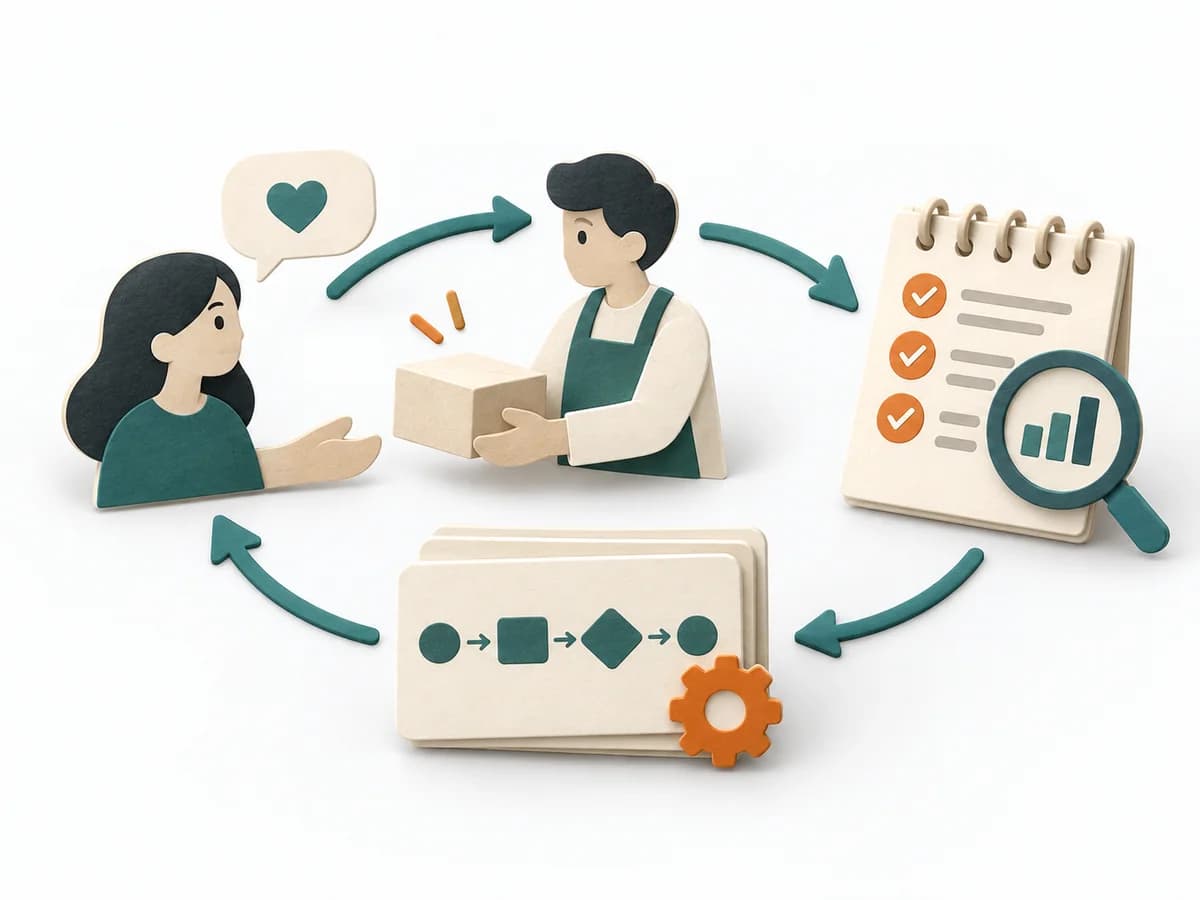 Product Discovery Concierge MVP |
|---|---|---|---|---|
Purposedifferent | The PARA Method organizes knowledge into Projects, Areas, Resources, and Archives. It creates order when digital notes, files, and tasks no longer cleanly fit current work. | When a new experience would still be too expensive to automate for real, it simulates the outcome behind the scenes. It checks user reaction and value before the technology disappears. | When a solution idea is already on the table, it checks how it is understood and evaluated. It looks for resonance, objections, and missing fit early in the conversation. | When an idea can first fail or grow through genuine hands-on support, it relies on manual work instead of automation. It shows whether user value holds up even under manual execution. |
Complexitydifferent | Medium | High | Medium | Medium |
Timedifferent | 1-3 h Setup, laufend | 2-10 Tage | 30-60 min je Interview | 1-4 Wochen |
Participantsdifferent | 1 | 5-20 Nutzer | 5-10 Interviews | 3-10 Kunden |
Formatdifferent | Async | Workshop + async | Workshop + async | Workshop + async |
Outputdifferent | PARA Structure, Project Notes, Knowledge Archive | Prototype Learnings, Manual Effort Notes, Risk List | Solution Feedback, Objection List, Validation Notes | Concierge Learnings, Service Blueprint, MVP Risks |
Tagsno overlap | KnowledgeProductivityOrganization | PrototypeValidationMVP | ValidationInterviewsPrototype | MVPValidationServiceDiscovery |