View methods side by side.
Choose up to four methods. Add them using the search and share the comparison by copying its link.
| Criterion |  Knowledge Modeling PARA Method | 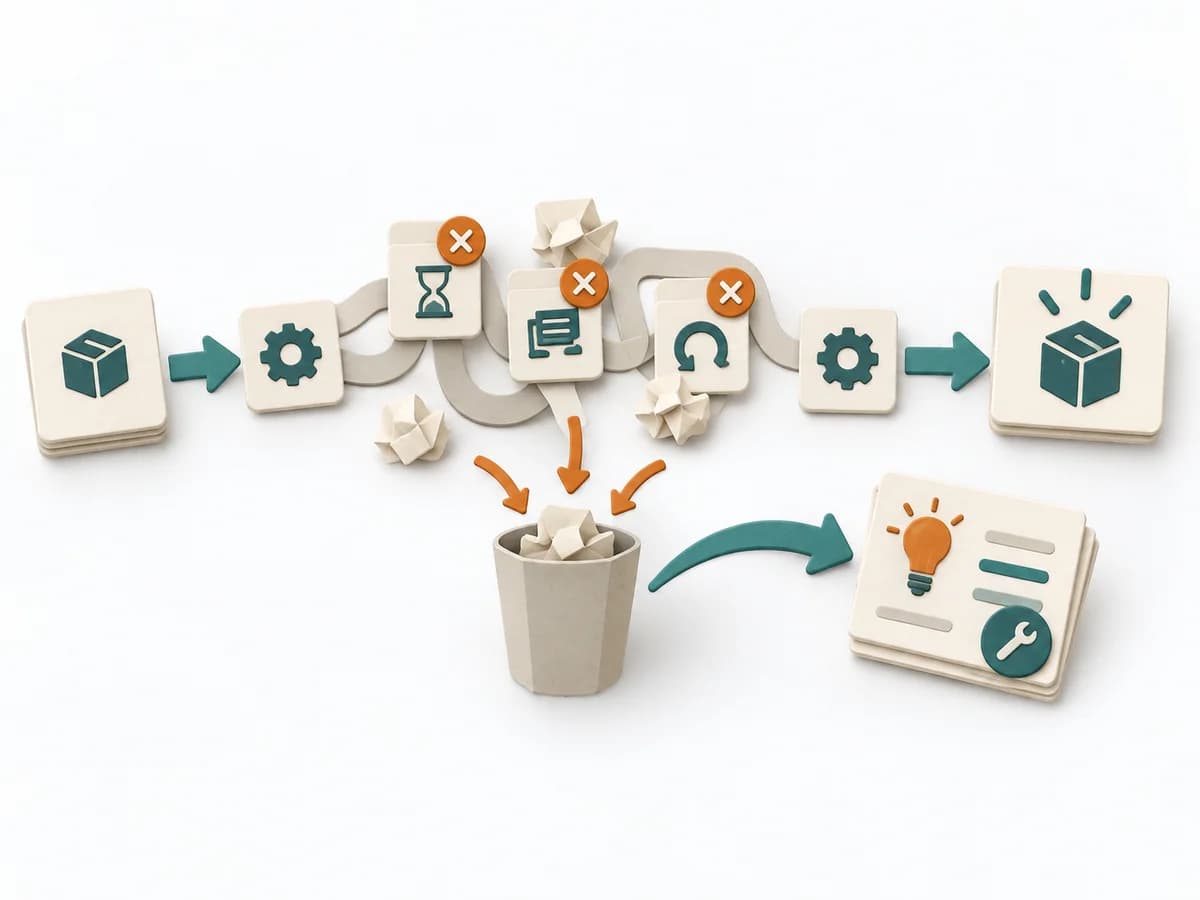 Operations Waste Analysis | 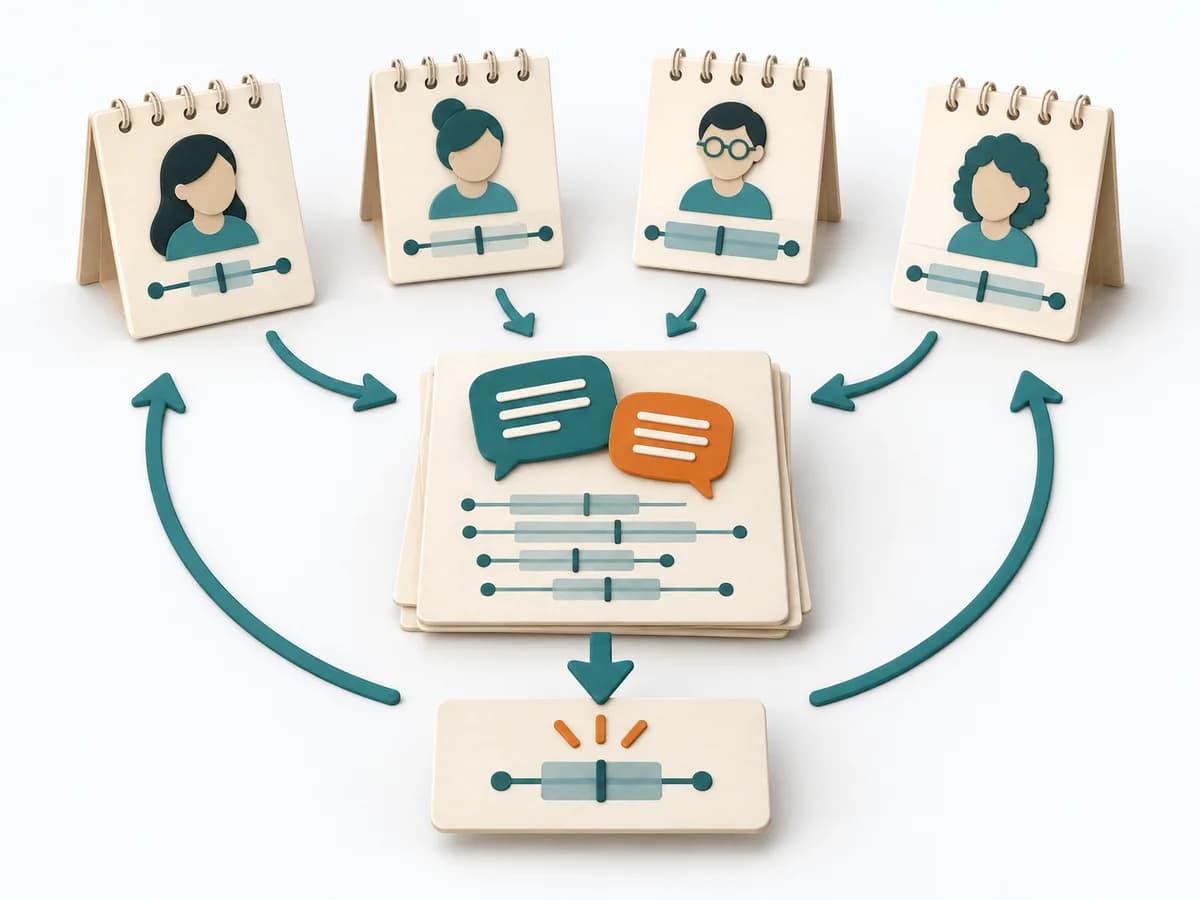 Decision Making Wideband Delphi | 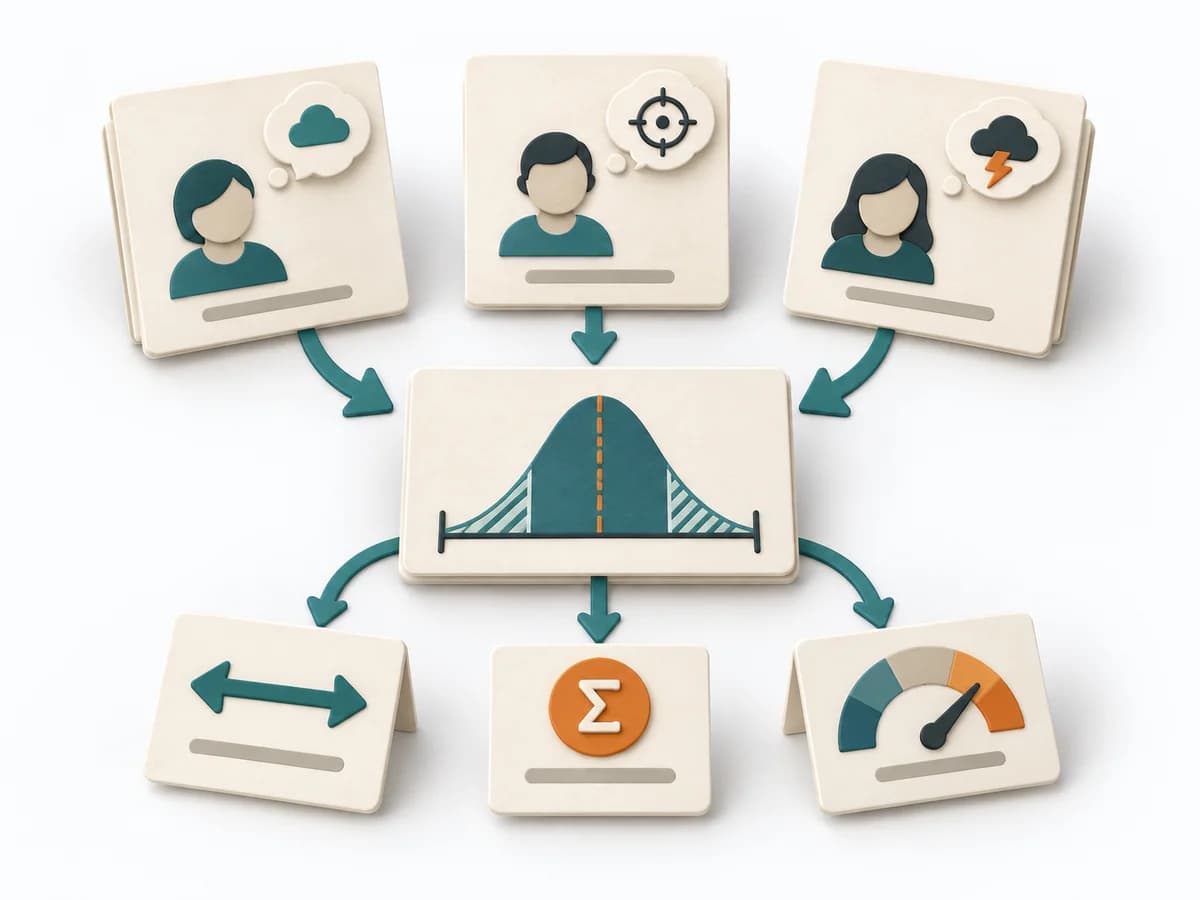 Decision Making Three-Point Estimation |
|---|---|---|---|---|
Purposedifferent | The PARA Method organizes knowledge into Projects, Areas, Resources, and Archives. It creates order when digital notes, files, and tasks no longer cleanly fit current work. | For a process that keeps people busy but creates little value, the method exposes waste. It directs attention to unnecessary movement, waiting times, rework, and overdelivery. | A single opinion rarely holds up for planning when the future is genuinely uncertain. It separates options, evaluation criteria, and open risks. The result is captured as an Estimate Range, Assumption Log, and Expert Consensus Notes. | A single estimate for effort, time, or risk often looks too smooth for the real uncertainty behind it. It separates options, evaluation criteria, and open risks. The result is captured as a Three-Point Estimate, Risk Range, and Assumption Notes. |
Complexitydifferent | Medium | Low | High | Medium |
Timedifferent | 1-3 h Setup, laufend | 45-120 min | 1-4 h or multiple rounds | 10-30 min je Item |
Participantsdifferent | 1 | 2-8 | 4-12 Experten | 1-8 |
Formatdifferent | Async | Workshop | Workshop + async | Workshop + async |
Outputdifferent | PARA Structure, Project Notes, Knowledge Archive | Waste Map, Prioritized Waste, Improvement Backlog | Estimate Range, Assumption Log, Expert Consensus Notes | Three-Point Estimate, Risk Range, Assumption Notes |
Tagsno overlap | KnowledgeProductivityOrganization | WasteLeanProcess improvement | EstimationExpertsForecasting | EstimationUncertaintyForecasting |