View methods side by side.
Choose up to four methods. Add them using the search and share the comparison by copying its link.
| Criterion |  Knowledge Modeling PARA Method | 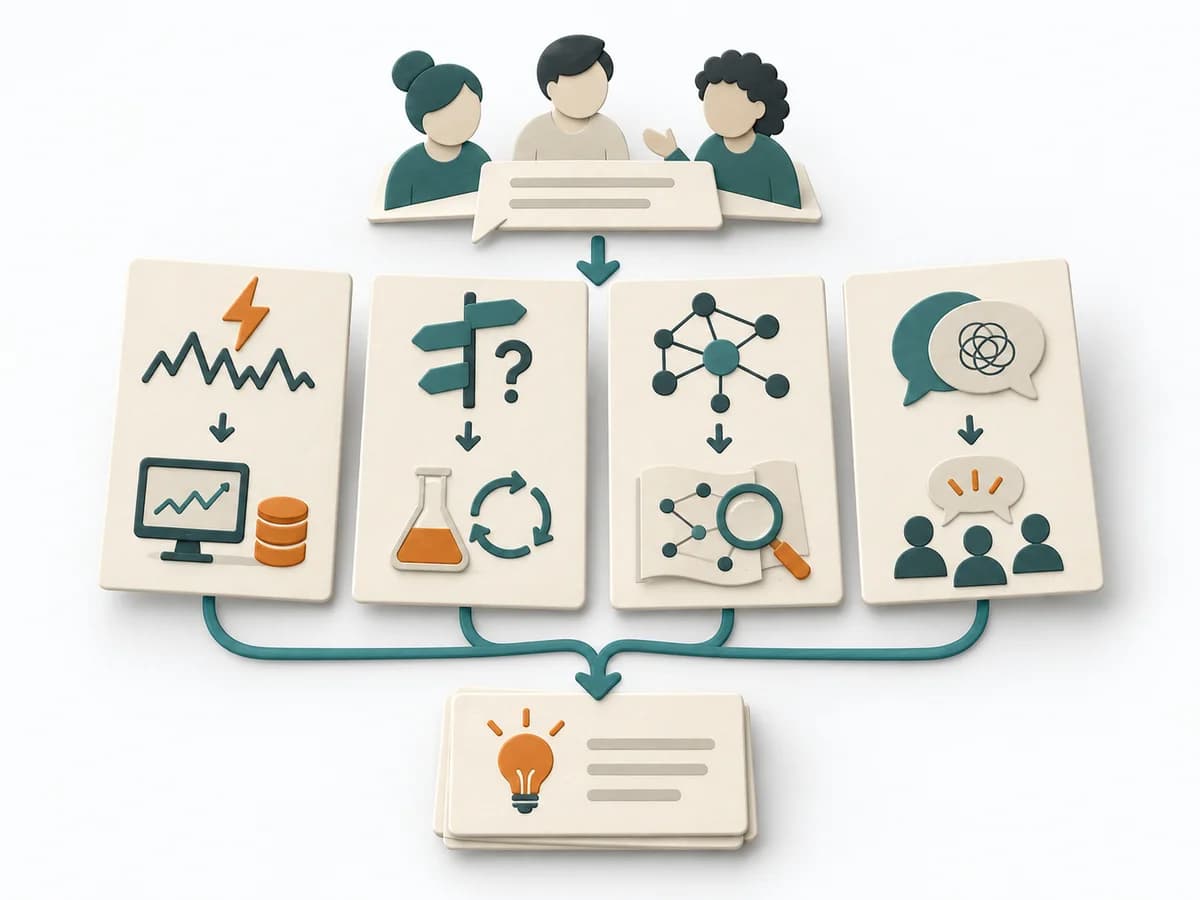 Systems Thinking VUCA Scan | 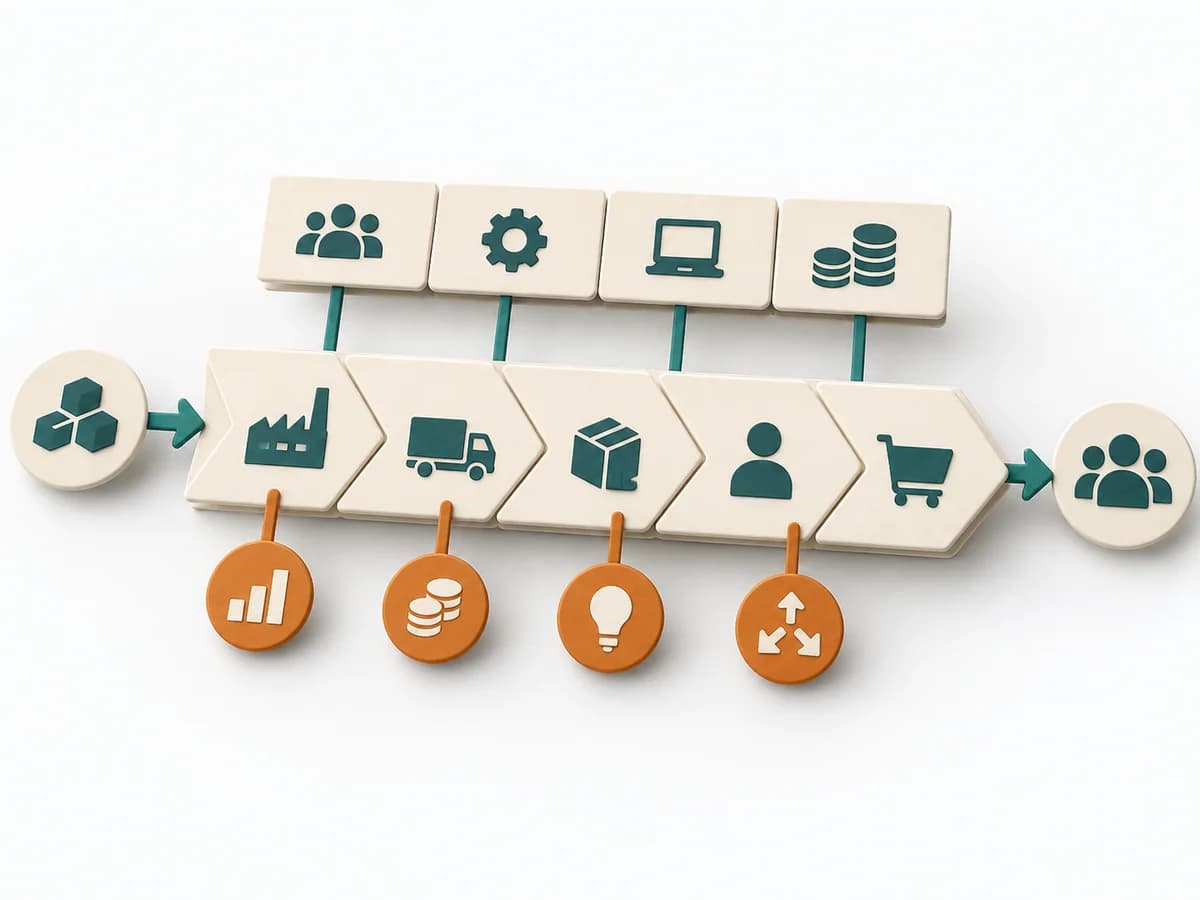 Business Strategy Value Chain Analysis | 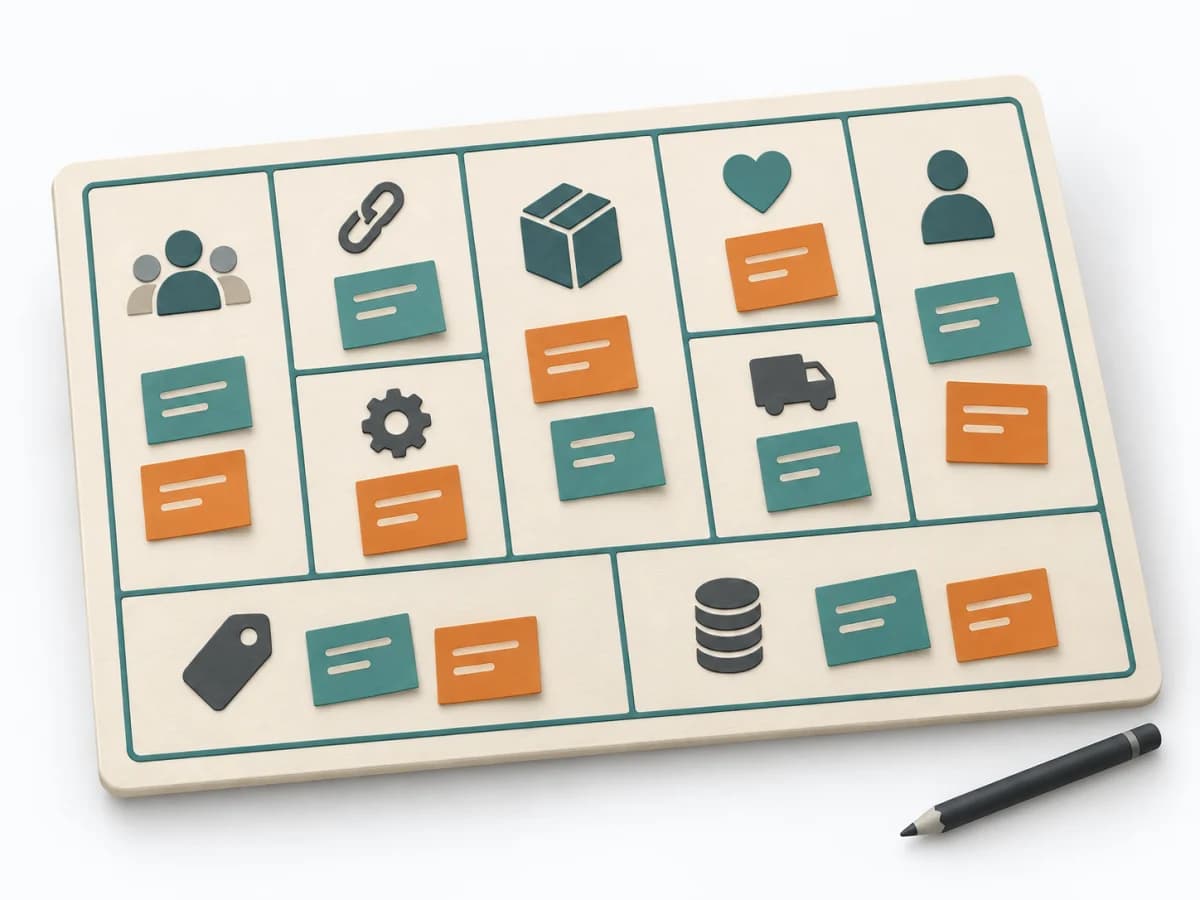 Business Strategy Business Model Canvas |
|---|---|---|---|---|
Purposedifferent | The PARA Method organizes knowledge into Projects, Areas, Resources, and Archives. It creates order when digital notes, files, and tasks no longer cleanly fit current work. | The VUCA Scan helps read difficult situations more precisely. Instead of treating unclarity as generally complicated, the method separates fast change, missing knowledge, systemic entanglement, and ambiguous interpretation. | Value Chain Analysis shows where value is created, costs accrue, and differentiation becomes possible along the process. It compares strengths, risks, market logic, and courses of action. The result is captured as a value-chain map and lever list. | The Business Model Canvas condenses a business model to its key building blocks and assumptions. It makes variants quickly comparable and reveals gaps before validation or implementation begins. |
Complexitydifferent | Medium | Low | High | Medium |
Timedifferent | 1-3 h Setup, laufend | 30-90 min | Half day | 1-2 h |
Participantsdifferent | 1 | 1-10 | 3-8 | 2-8 |
Formatdifferent | Async | Workshop + async | Workshop | Workshop + async |
Outputdifferent | PARA Structure, Project Notes, Knowledge Archive | VUCA Map, Response Options, Signal and Learning Plan | Value Chain Map, Lever List | Business Model Canvas, Assumption List, Business Hypotheses |
Tagsno overlap | KnowledgeProductivityOrganization | SensemakingUncertaintyComplexityStrategyForesight | StrategyBusiness modelDiagnosisAnalysis | Business modelStrategyValueInnovation |