View methods side by side.
Choose up to four methods. Add them using the search and share the comparison by copying its link.
| Criterion |  Knowledge Modeling PARA Method | 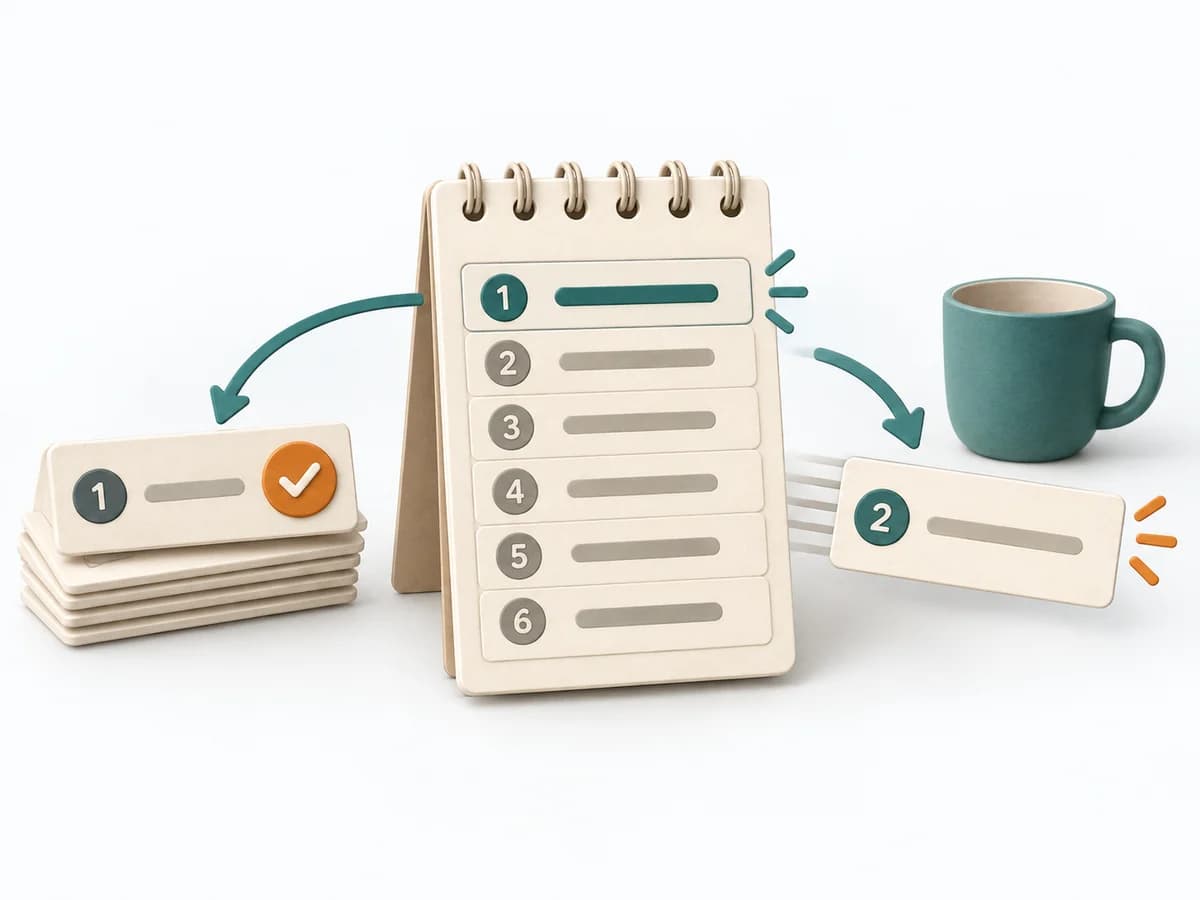 Operations Ivy Lee Method |  Facilitation Stakeholder Mapping | 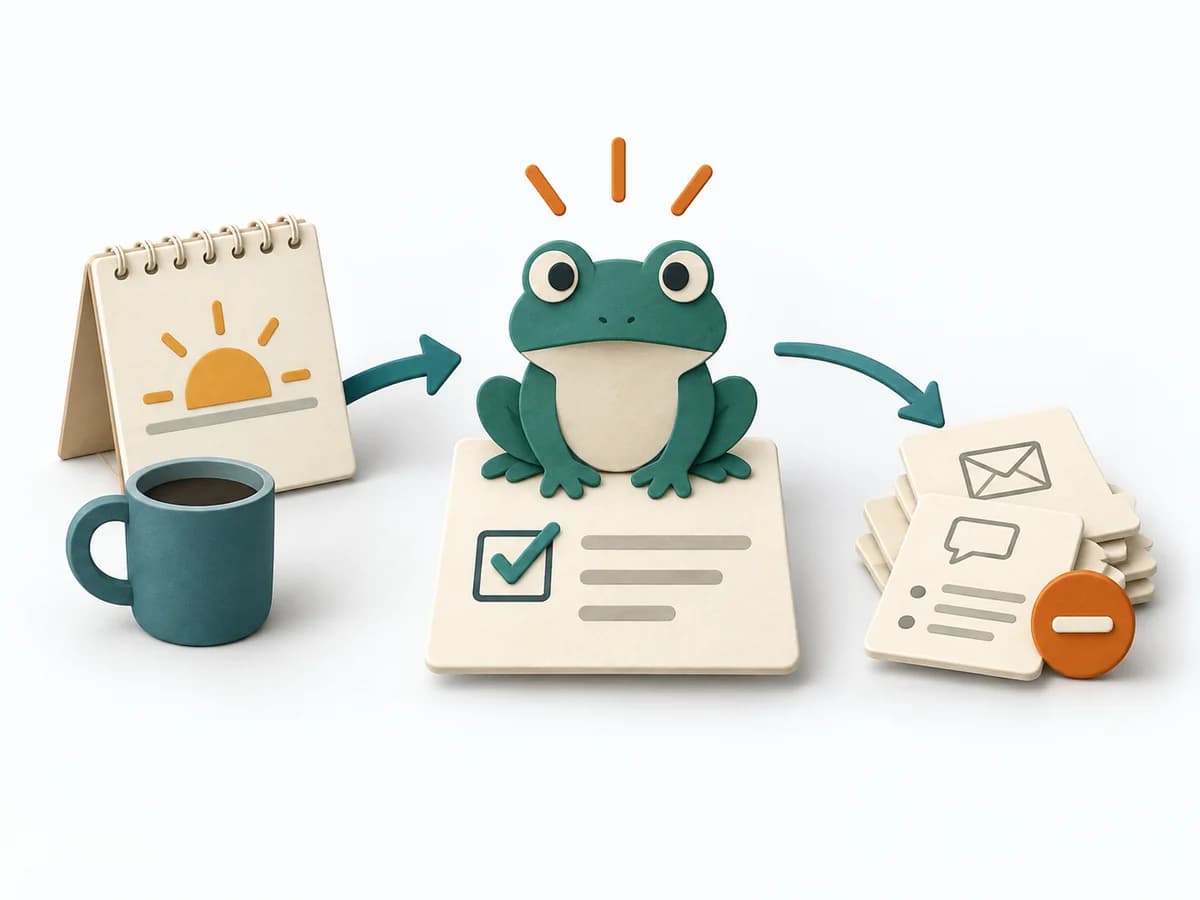 Operations Eat the Frog |
|---|---|---|---|---|
Purposedifferent | The PARA Method organizes knowledge into Projects, Areas, Resources, and Archives. It creates order when digital notes, files, and tasks no longer cleanly fit current work. | With a restless workday full of too many open items, the method creates radical simplicity. It directs attention to a short sequence instead of a broad, still-open field. | When an initiative depends on many people, interests, and power dynamics, Stakeholder Mapping systematically orders the environment. It shows who influences, who is affected, and where relationship management or safeguarding matters first. | The method protects energy and attention for the task that creates the largest progress and is often postponed. |
Complexitydifferent | Medium | Low | Low | Low |
Timedifferent | 1-3 h Setup, laufend | 5-10 min daily | 60–90 min | 15-90 min daily |
Participantsdifferent | 1 | 1 | 2-8 | 1 |
Formatdifferent | Async | Async | Workshop + async | Async |
Outputdifferent | PARA Structure, Project Notes, Knowledge Archive | Daily Priority List, Completion Notes | Stakeholder Map, Engagement Plan, Risk Notes | Priority Task, Completion Note, Daily Focus |
Tagsno overlap | KnowledgeProductivityOrganization | PrioritizationProductivityExecution | StakeholdersAlignmentFacilitationChange | PrioritizationProductivityFocusExecution |