View methods side by side.
Choose up to four methods. Add them using the search and share the comparison by copying its link.
| Criterion |  Knowledge Modeling PARA Method | 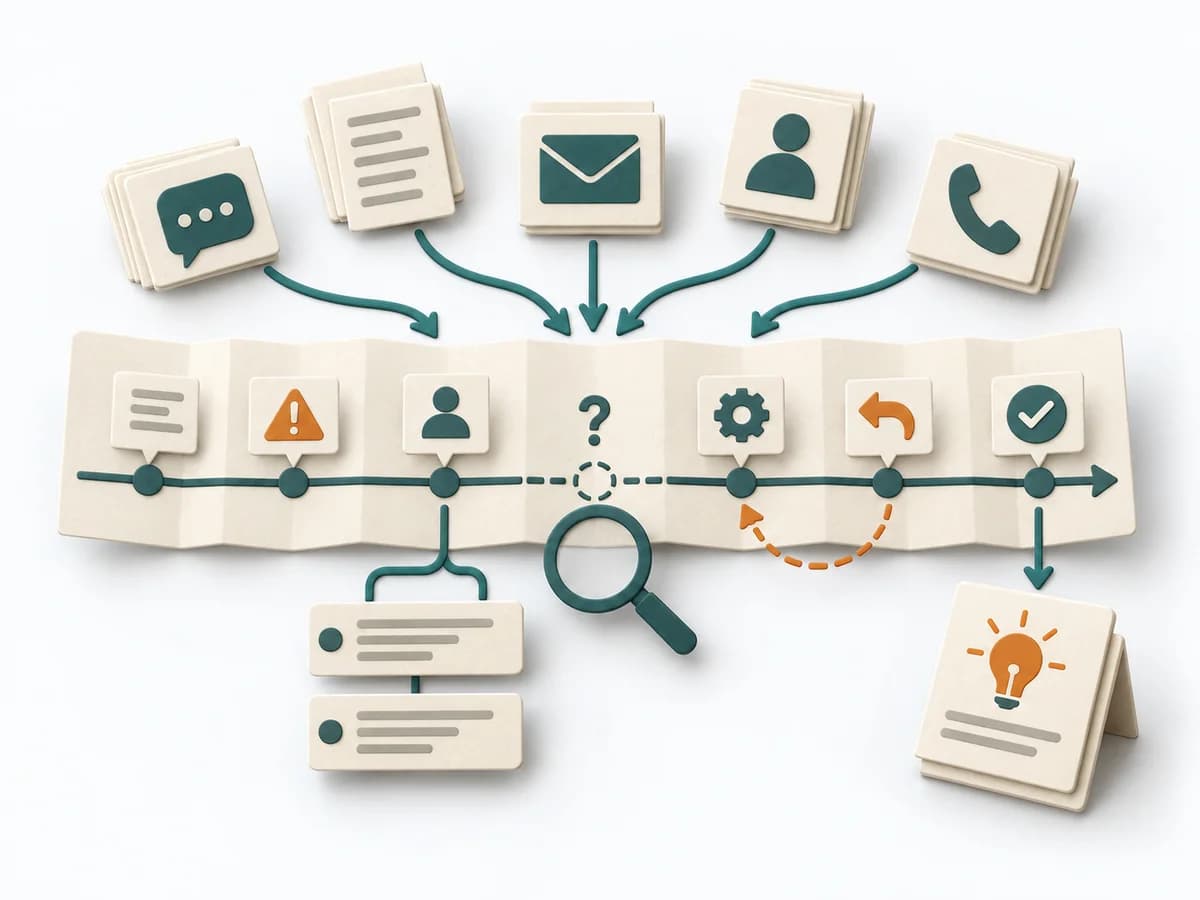 DevOps Incident Timeline Analysis |  Facilitation Team Charter | 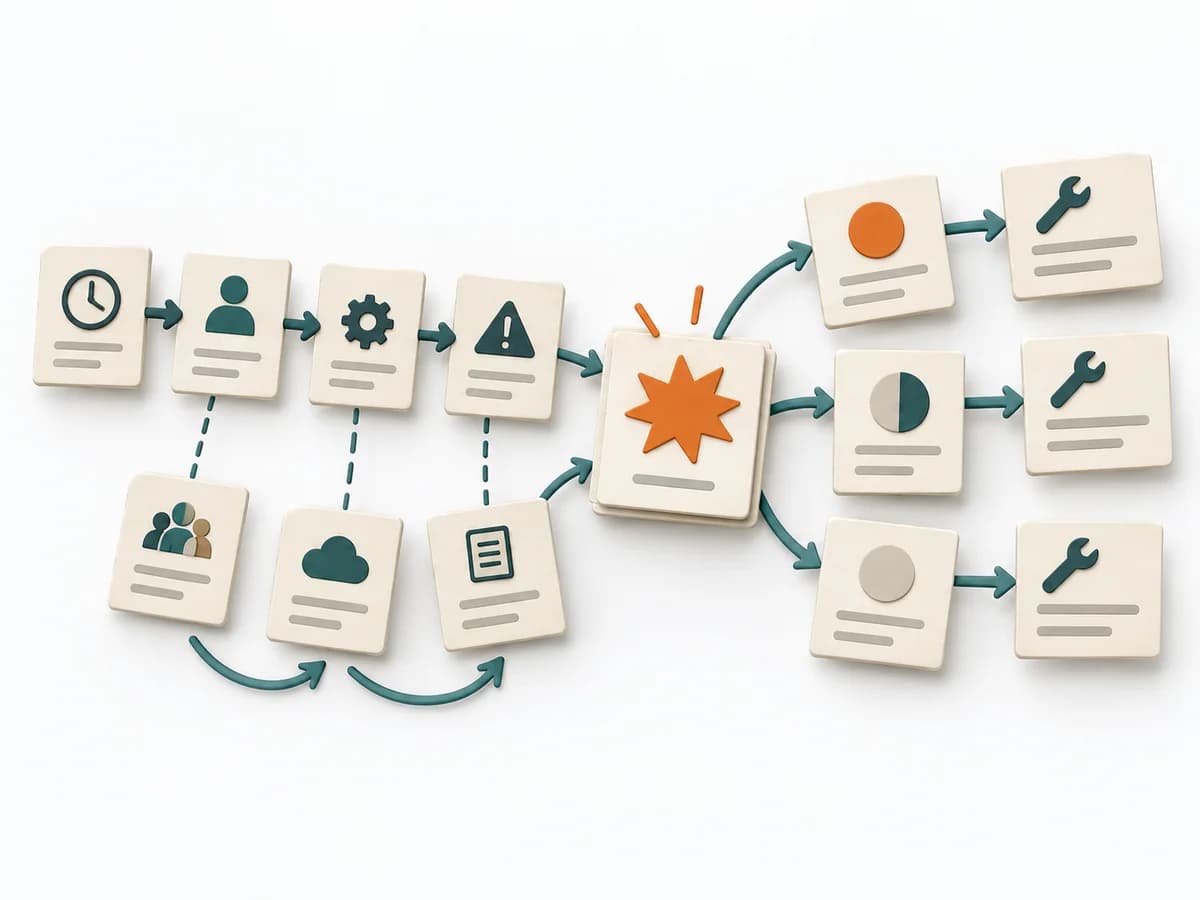 Operations Causal Factor Analysis |
|---|---|---|---|---|
Purposedifferent | The PARA Method organizes knowledge into Projects, Areas, Resources, and Archives. It creates order when digital notes, files, and tasks no longer cleanly fit current work. | For an incident with an unclear sequence, the method makes the timeline precisely visible. It separates perception, reaction, and delay so cause and effect become more clearly readable. | When a team is starting fresh or working past each other, Team Charter clarifies the shared working basis. It visibly sets out how collaboration, decision paths, and mutual conduct should work day to day. | For an event with a complicated course, the method breaks down the contributing factors along the timeline. It shows how conditions, decisions, and reactions together produce a course of events. |
Complexitydifferent | Medium | Medium | Medium | High |
Timedifferent | 1-3 h Setup, laufend | 60-180 min | 2-4 h | 2-6 h |
Participantsdifferent | 1 | 3-10 | 3-12 | 3-10 |
Formatdifferent | Async | Workshop + async | Workshop | Workshop + async |
Outputdifferent | PARA Structure, Project Notes, Knowledge Archive | Incident Timeline, Evidence Log, Delay Analysis, Improvement Actions | Team Charter, Working Norms, Role Notes | Event Timeline, Causal Factor Chart, Cause List, Corrective Actions |
Tagsno overlap | KnowledgeProductivityOrganization | IncidentTimelineSite Reliability Engineering | TeamAlignmentCollaboration | CausalityIncidentRoot causeTimeline |