View methods side by side.
Choose up to four methods. Add them using the search and share the comparison by copying its link.
| Criterion |  Knowledge Modeling PARA Method | 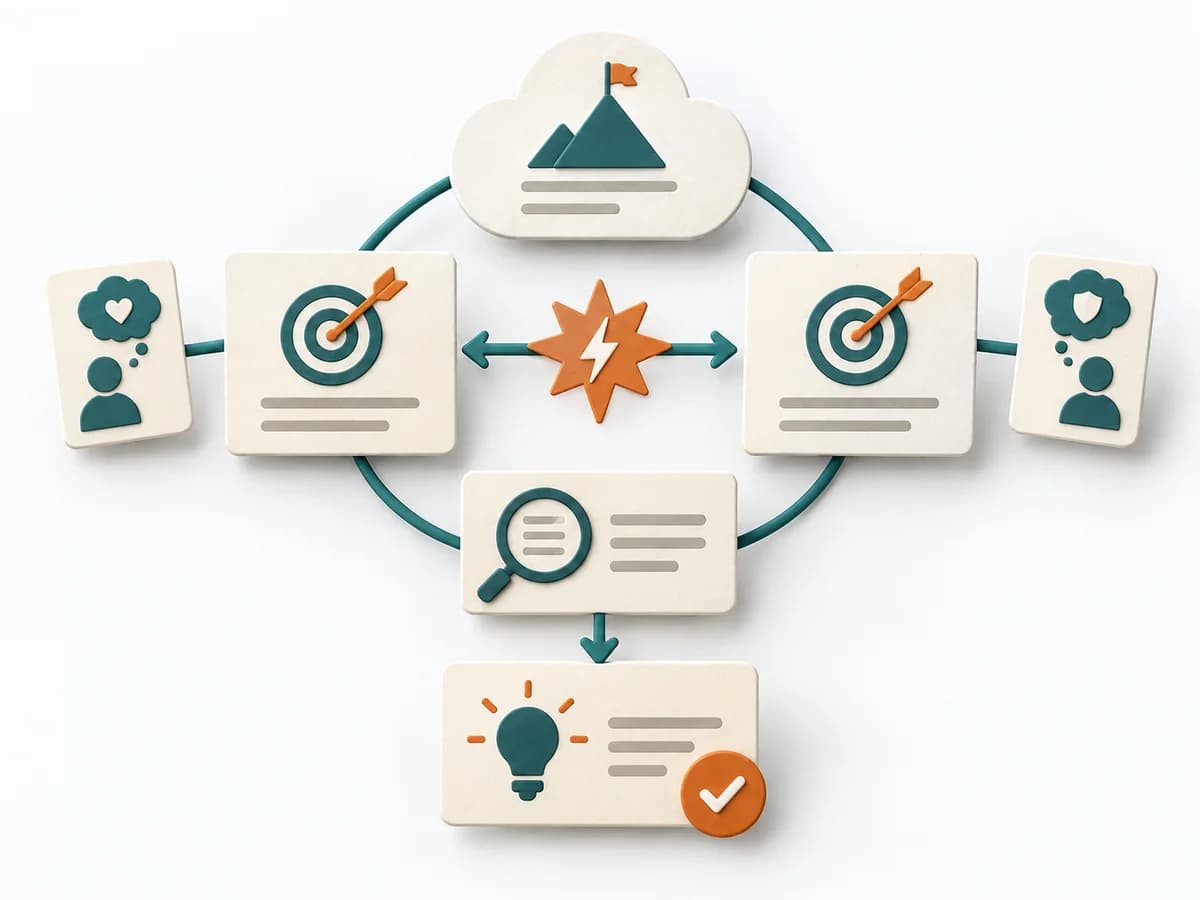 Systems Thinking Evaporating Cloud | 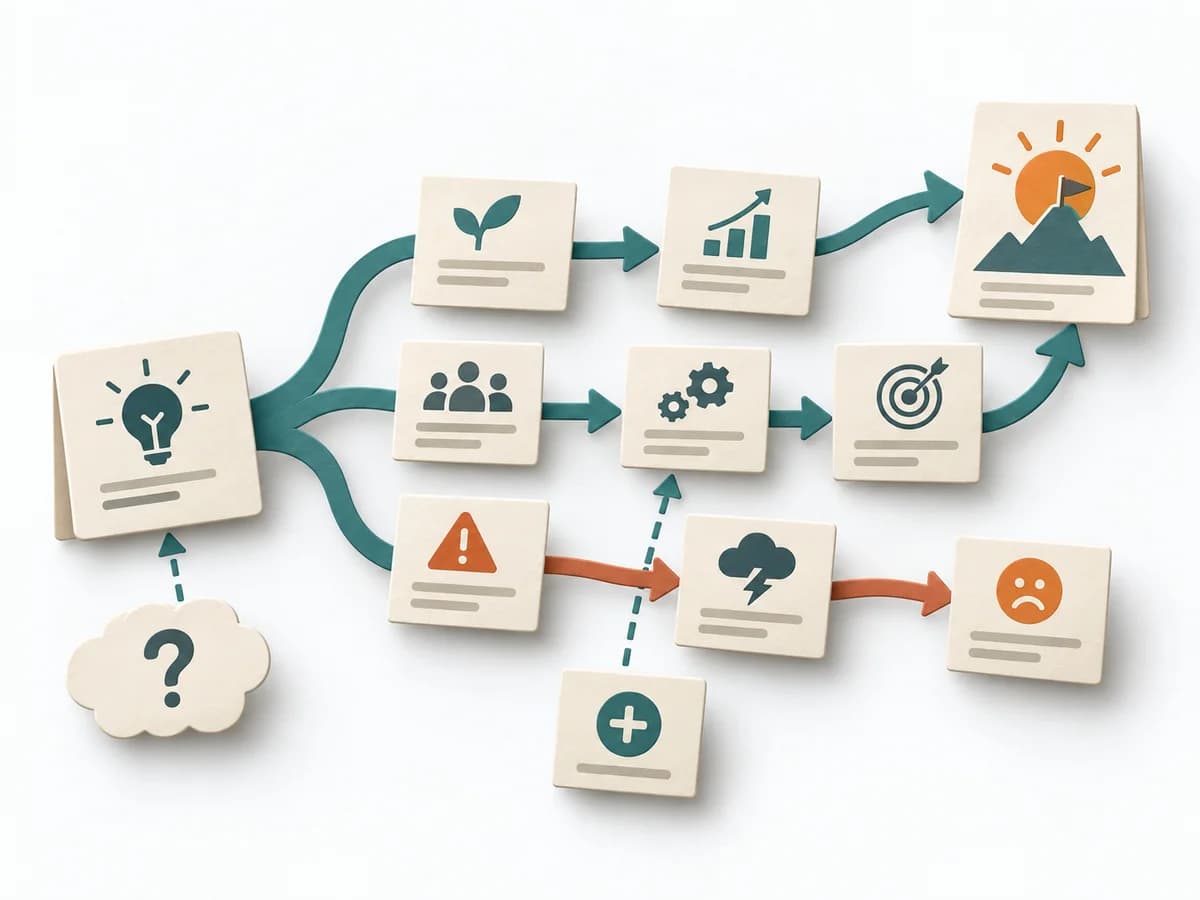 Systems Thinking Future Reality Tree | 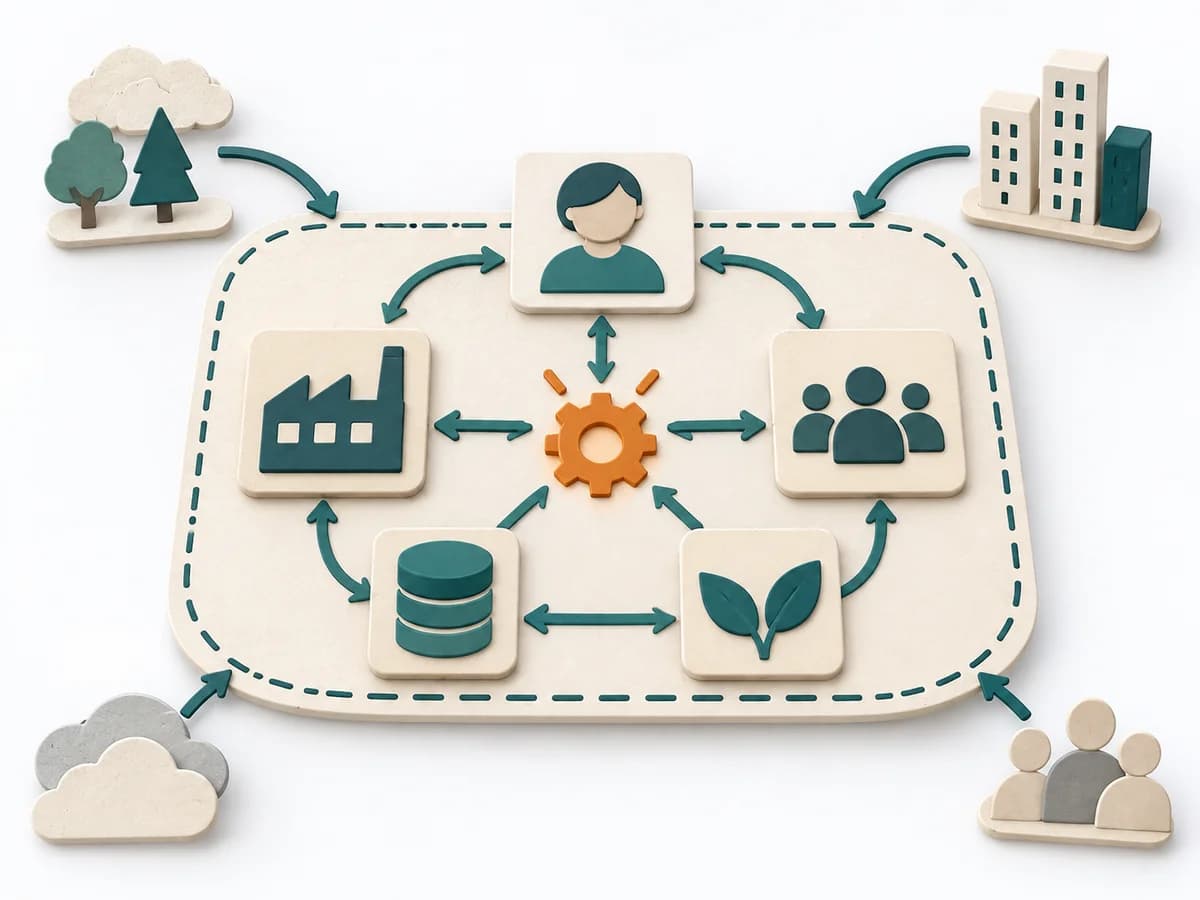 Systems Thinking Systems Mapping |
|---|---|---|---|---|
Purposedifferent | The PARA Method organizes knowledge into Projects, Areas, Resources, and Archives. It creates order when digital notes, files, and tasks no longer cleanly fit current work. | The method makes visible why two seemingly incompatible demands arise and which assumption must be tested to resolve the conflict. | A Future Reality Tree shows how desired actions are meant to lead to a better system state. The method checks whether a path of change holds together logically before time flows into implementation. | Systems Mapping arranges elements, relationships, and boundaries so a complex field becomes legible at a glance. The overview stabilizes the overall picture before detail work or steering begins. |
Complexitydifferent | Medium | Medium | High | Medium |
Timedifferent | 1-3 h Setup, laufend | 60-120 min | 2-4 h | 1-3 h |
Participantsdifferent | 1 | 2-8 | 3-8 | 3-12 |
Formatdifferent | Async | Workshop | Workshop | Workshop + async |
Outputdifferent | PARA Structure, Project Notes, Knowledge Archive | Conflict Cloud, Assumption List, Breakthrough Ideas, Next Experiments | Future Reality Tree, Negative Branches, Assumption List, Improved Injections | System Map, Dependencies, Leverage Points |
Tagsno overlap | KnowledgeProductivityOrganization | Theory of ConstraintsAssumptionsSystems thinking | Theory of ConstraintsSystems thinkingChange | Systems thinkingMappingBoundariesChange |