View methods side by side.
Choose up to four methods. Add them using the search and share the comparison by copying its link.
| Criterion |  Knowledge Modeling PARA Method | 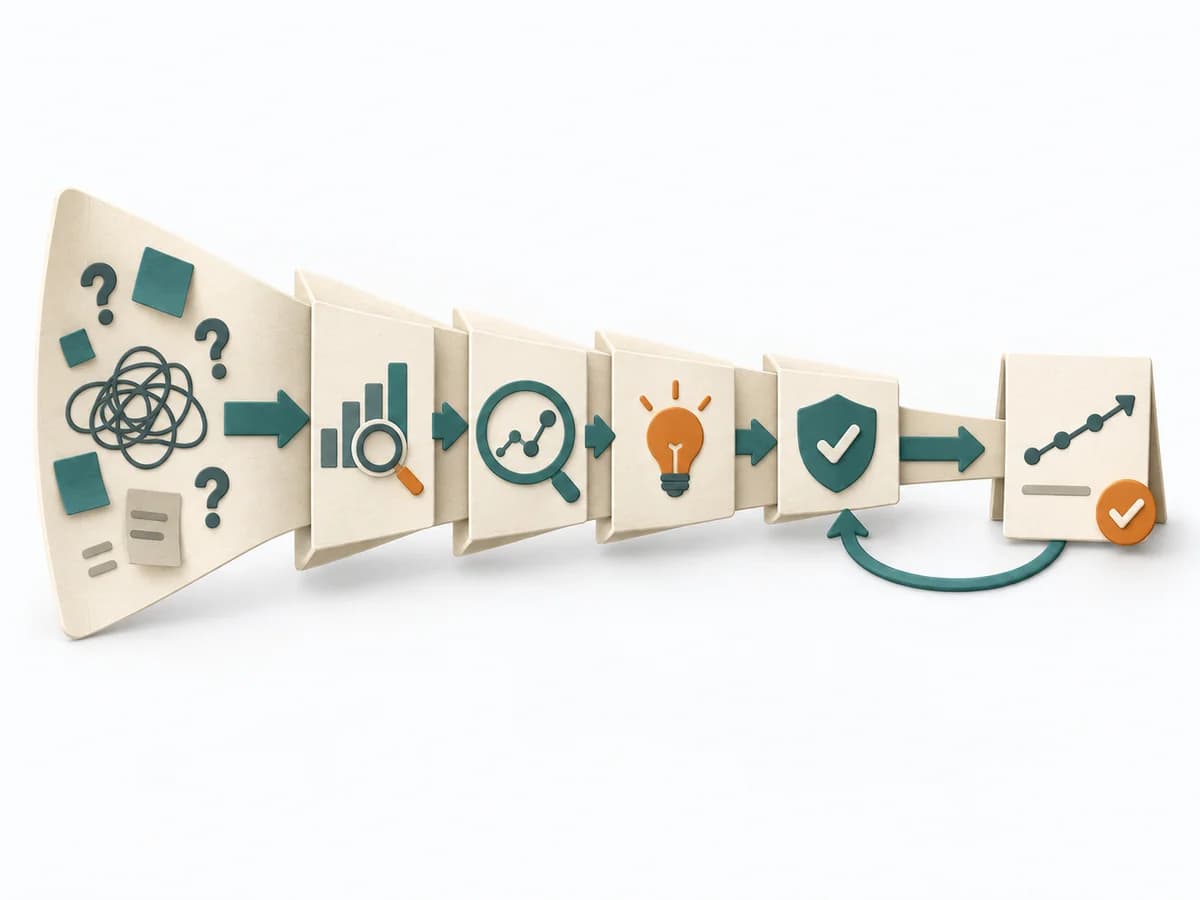 Operations DMAIC | 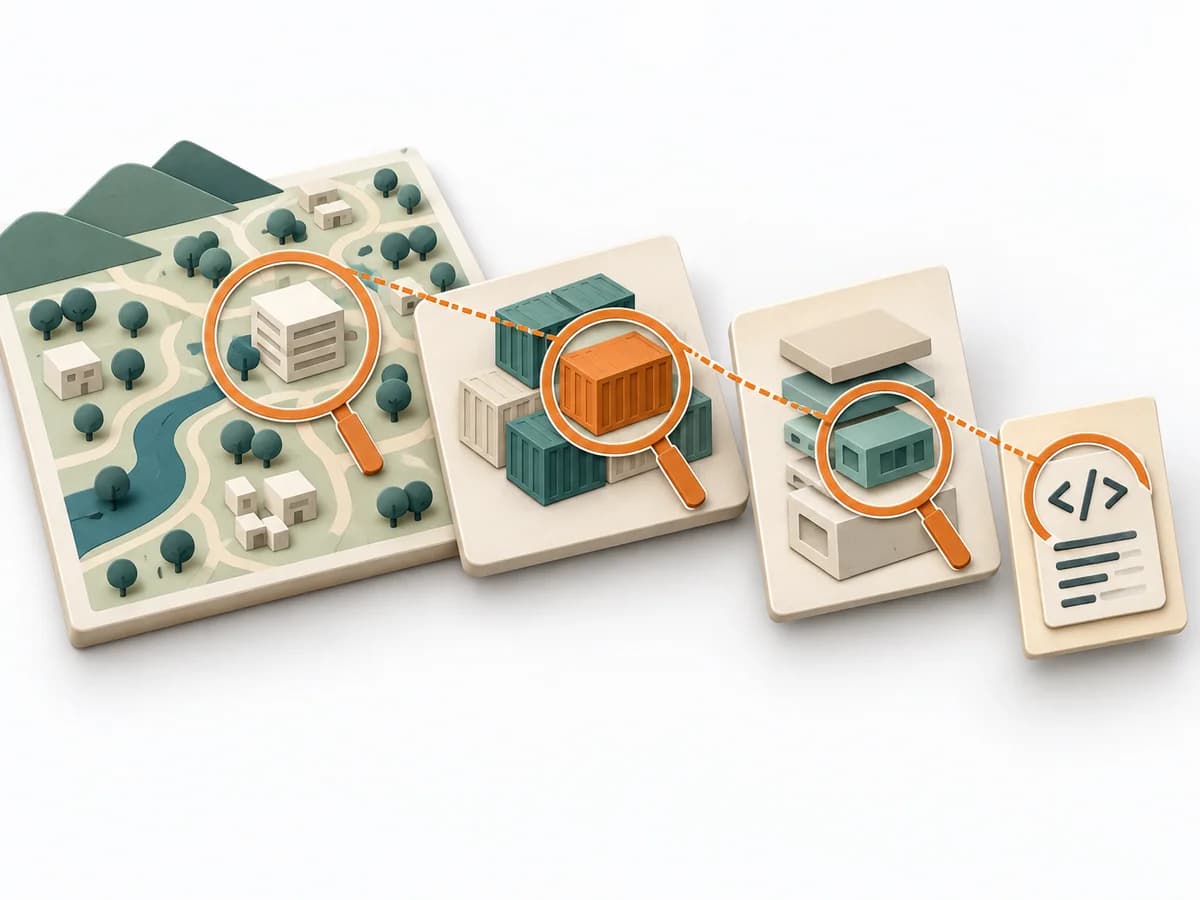 Architecture C4 Model |  Architecture ATAM (Architecture Tradeoff Analysis Method) |
|---|---|---|---|---|
Purposedifferent | The PARA Method organizes knowledge into Projects, Areas, Resources, and Archives. It creates order when digital notes, files, and tasks no longer cleanly fit current work. | For a process problem with fluctuating performance, the method brings analysis and improvement into a disciplined sequence. It creates a framework in which numbers, causes, and control come together. | The C4 Model makes a system legible across several resolution levels, from context down to code. It suits situations where different audiences need to understand the same architecture from different altitudes. | ATAM helps teams weigh architecture decisions when quality goals compete. The team considers business goals, stakeholder expectations, and technical decisions together. The evaluation shows which risks need further investigation. |
Complexitydifferent | Medium | High | Low | High |
Timedifferent | 1-3 h Setup, laufend | 2-12 Wochen | 1-4 h | Several meetings plus preparation and analysis; total effort depends on scope |
Participantsdifferent | 1 | 3-10 | 1-5 | Evaluation team, architects, and relevant stakeholders |
Formatdifferent | Async | Workshop + async | Workshop + async | Workshop + async |
Outputdifferent | PARA Structure, Project Notes, Knowledge Archive | Project Charter, Measurement Plan, Cause Analysis, Control Plan | Context Diagram, Container Diagram, Component Diagram | Prioritized quality scenarios in a utility tree, Architecture risks with reasoning and assumptions, Sensitivity and trade-off points, Findings report with open investigations |
Tagsno overlap | KnowledgeProductivityOrganization | Continuous improvementQualityProcess improvement | ArchitectureCommunicationVisualization | ArchitectureQualityRiskTradeoffsStakeholders |