View methods side by side.
Choose up to four methods. Add them using the search and share the comparison by copying its link.
| Criterion |  Knowledge Modeling PARA Method | 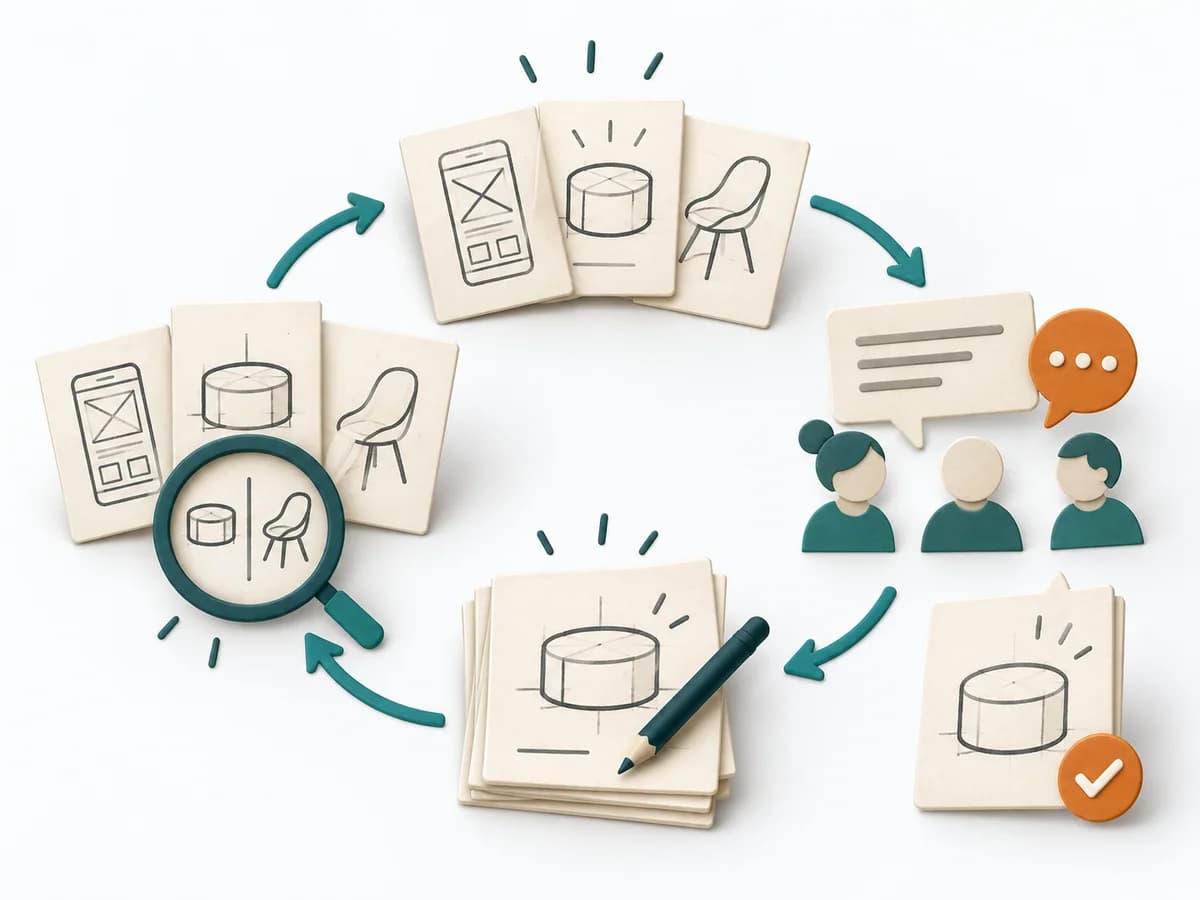 UX Design Design Studio | 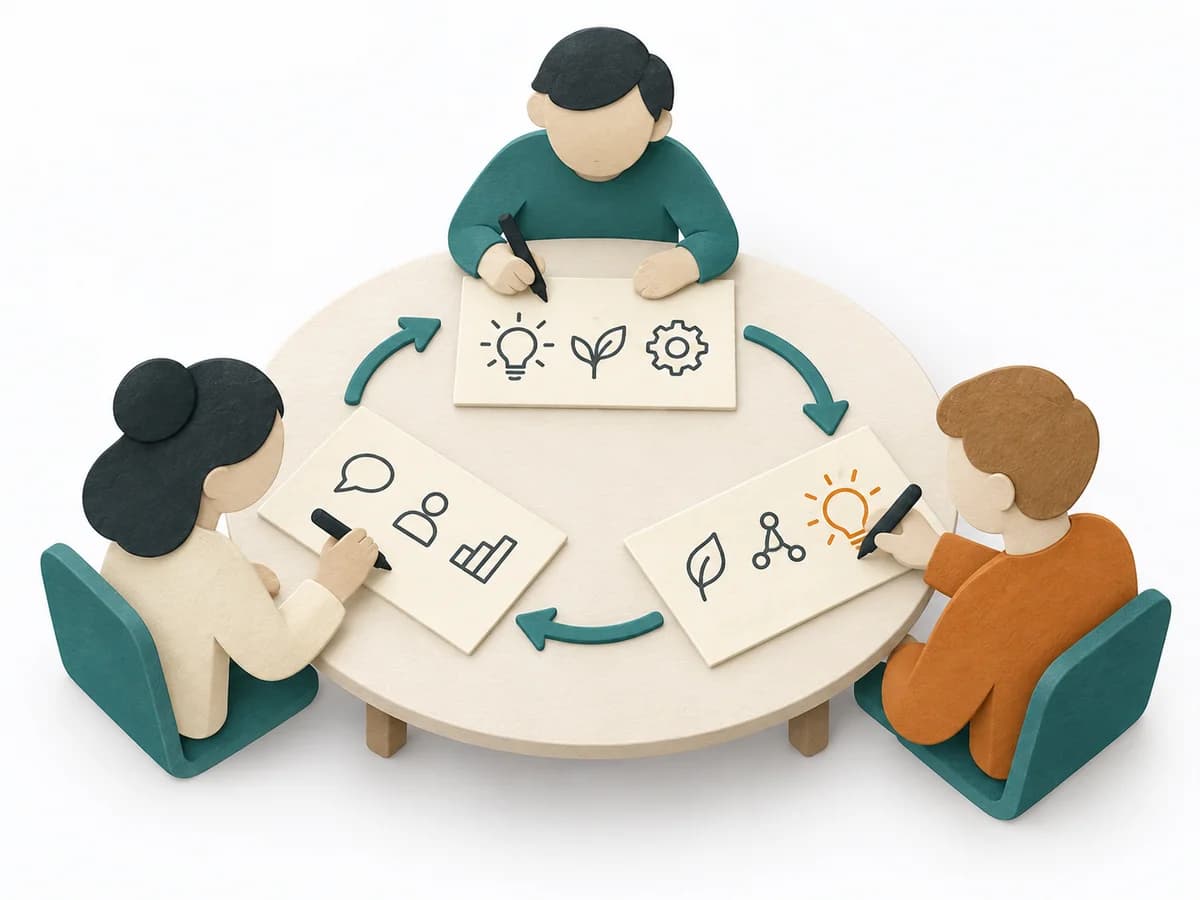 Innovation Brainwriting |  Facilitation 1-2-4-All |
|---|---|---|---|---|
Purposedifferent | The PARA Method organizes knowledge into Projects, Areas, Resources, and Archives. It creates order when digital notes, files, and tasks no longer cleanly fit current work. | When several designs need to be quickly put in relation to each other, it makes ideas visible and comparable. It encourages early variants instead of long upfront debates. | When loud voices or hierarchy distort the idea search, the method creates a quiet entry into joint development. It gives everyone thinking space and gathers contributions without social brakes, making diversity more visible and easier to build on. | When many people in a group too rarely get to speak, 1-2-4-All distributes thinking time more fairly. The format builds participation step by step and makes quiet or still-unformed thoughts usable faster. |
Complexitydifferent | Medium | Medium | Low | Low |
Timedifferent | 1-3 h Setup, laufend | 1-3 h | 15-30 min | 10-20 min |
Participantsdifferent | 1 | 3-8 | 3-12 | 4-100+ |
Formatdifferent | Async | Workshop | Workshop + async | Workshop |
Outputdifferent | PARA Structure, Project Notes, Knowledge Archive | Sketches, Concept Directions, Design Decisions | Idea sheets, Expanded concepts, Prioritized list | Idea List, Shared Insights, Emergent Themes |
Tagsno overlap | KnowledgeProductivityOrganization | SketchingCollaborationIdeation | BrainstormingCollaborationInclusionIdeas | FacilitationInclusionIdeation |