View methods side by side.
Choose up to four methods. Add them using the search and share the comparison by copying its link.
| Criterion |  Knowledge Modeling PARA Method | 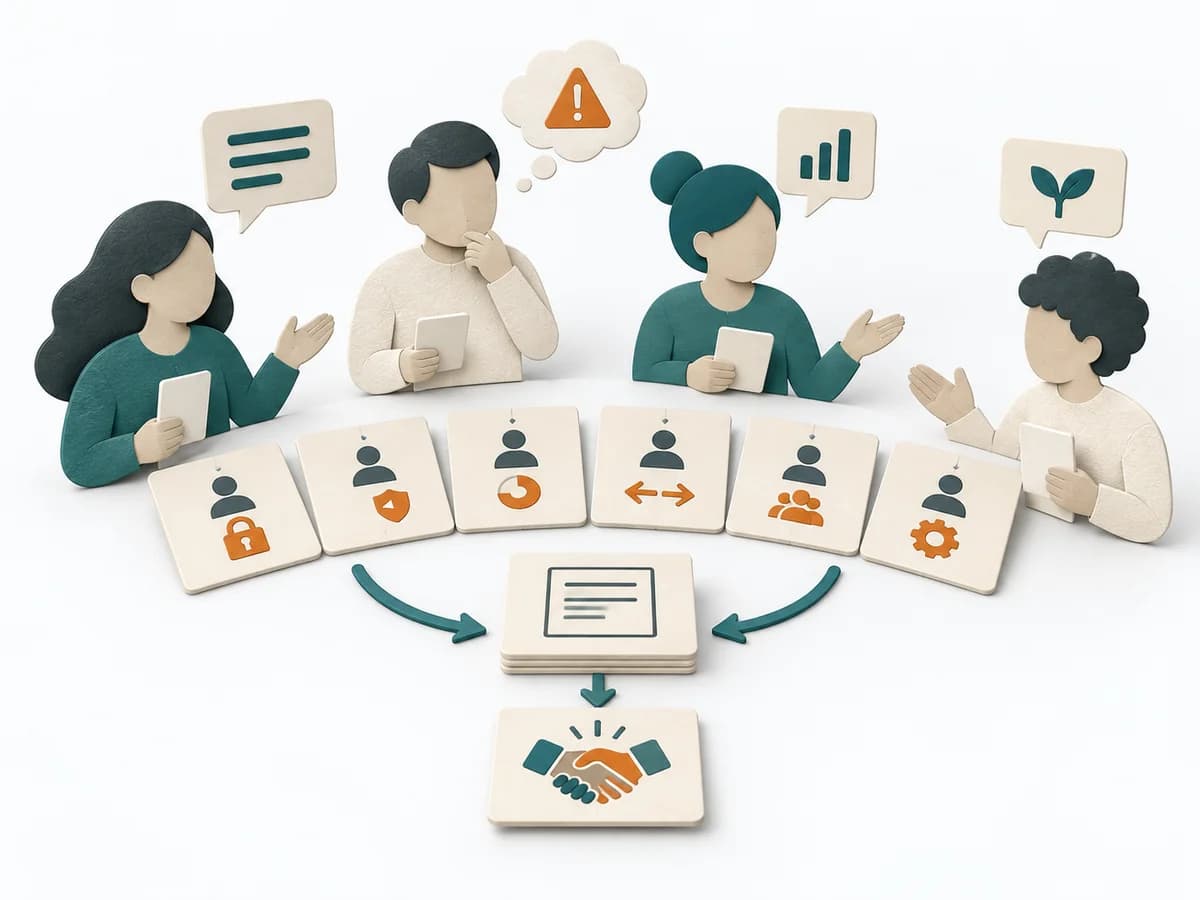 Facilitation Delegation Poker | 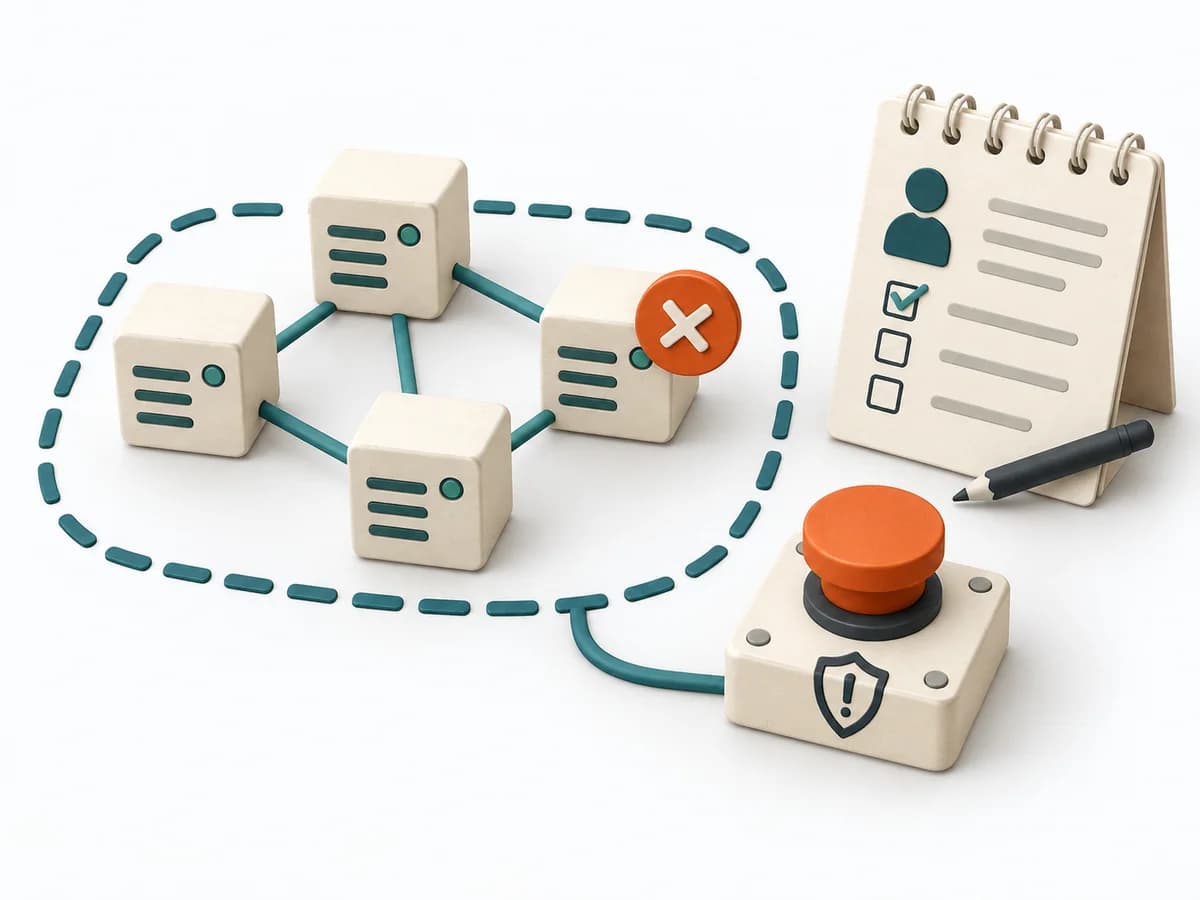 DevOps Game Day |  Operations Learning Review |
|---|---|---|---|---|
Purposedifferent | The PARA Method organizes knowledge into Projects, Areas, Resources, and Archives. It creates order when digital notes, files, and tasks no longer cleanly fit current work. | When decisions get stuck between leadership and team, Delegation Poker clarifies the desired scope of autonomy. It shows how much decision-making latitude a role should actually get in practice. | In preparing for rare incidents, the method tests response capability under controlled conditions. It shows where assumptions about stability, roles, and recovery are too optimistic. | After a project phase with mixed results, the method makes learning from the individual case reusable. It connects events, decisions, and systemic conditions into robust insights. |
Complexitydifferent | Medium | Low | High | Medium |
Timedifferent | 1-3 h Setup, laufend | 45-90 min | Halber Tag | 1-3 h |
Participantsdifferent | 1 | 3-10 | 5-20 | 3-10 |
Formatdifferent | Async | Workshop | Workshop | Workshop |
Outputdifferent | PARA Structure, Project Notes, Knowledge Archive | Delegation Board, Decision Boundaries, Role Agreements | Simulation Notes, Gaps List, Updated Runbooks | Learning Review Notes, System Factors, Improvement Actions |
Tagsno overlap | KnowledgeProductivityOrganization | AutonomyRolesTeam | ResilienceOperationsIncident | LearningRetrospectiveIncidentOperations |