View methods side by side.
Choose up to four methods. Add them using the search and share the comparison by copying its link.
| Criterion |  Knowledge Modeling PARA Method | 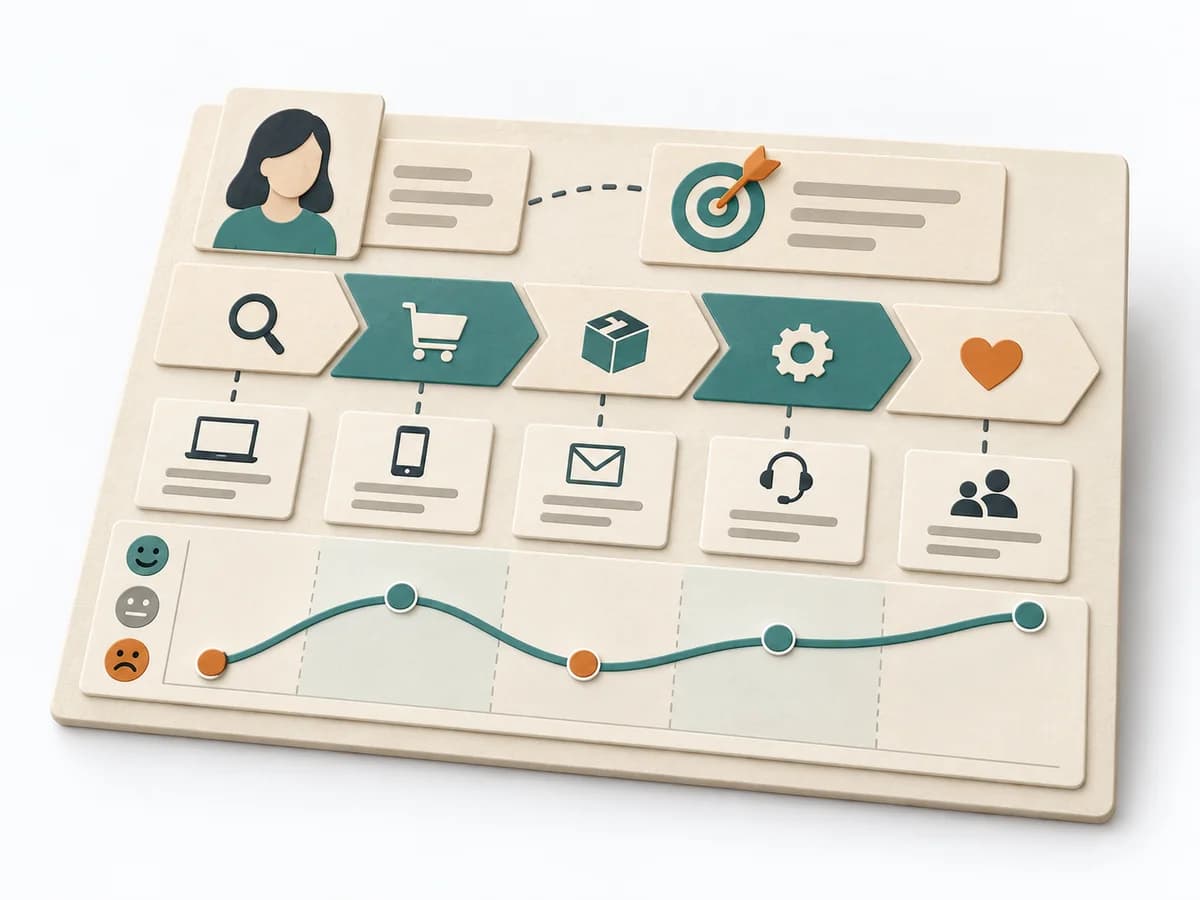 UX Design Customer Journey Canvas |  Operations A3 Problem Solving | 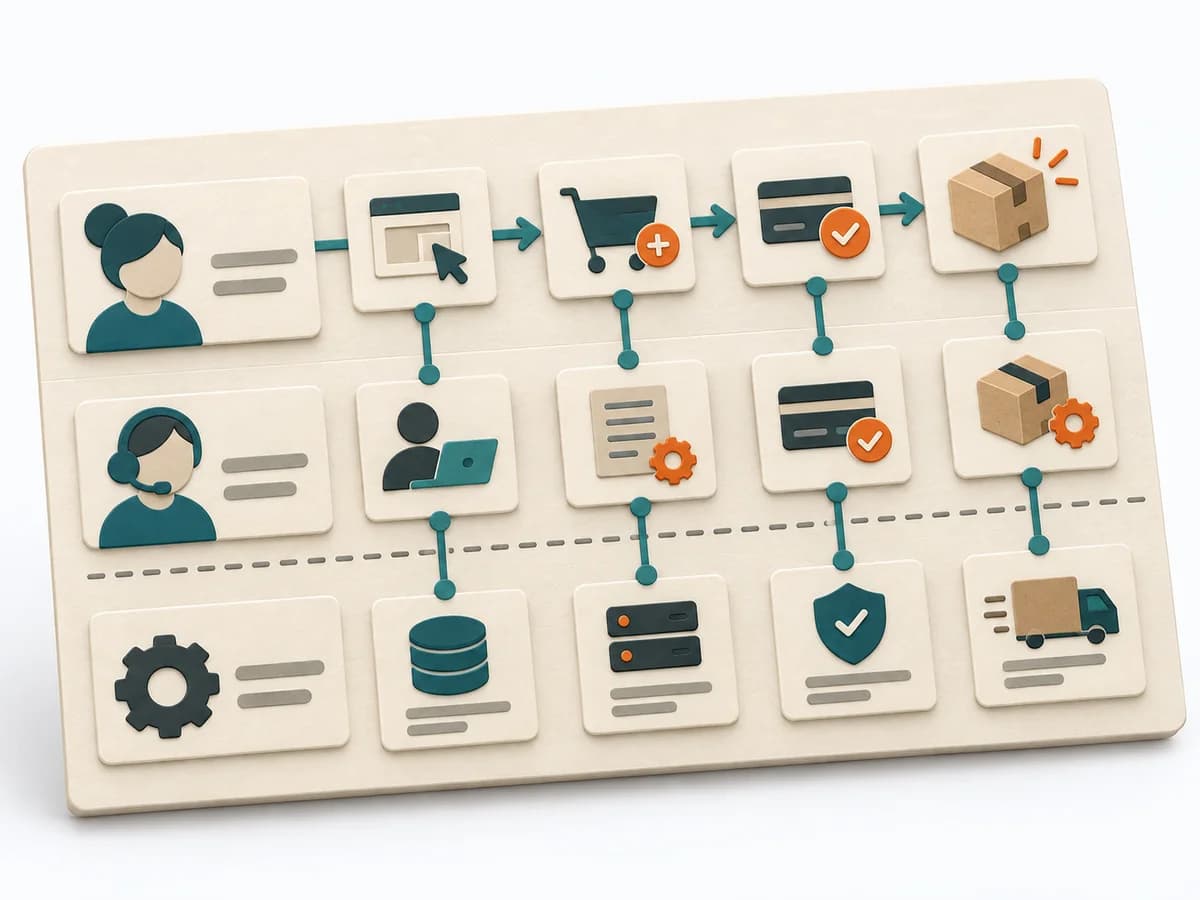 UX Design Service Blueprinting |
|---|---|---|---|---|
Purposedifferent | The PARA Method organizes knowledge into Projects, Areas, Resources, and Archives. It creates order when digital notes, files, and tasks no longer cleanly fit current work. | When a journey needs to be understood across several phases, it arranges experience, touchpoints, and opportunities into one picture. It makes gaps and friction along the user path clear. | For a complex deviation with several people involved, the method bundles problem, analysis, and decision onto one page. It creates a shared working space where causes, countermeasures, and follow-up fit together. | When a service experience is spread across several touchpoints, it brings frontstage and backstage together. It shows where user contact and internal responsibility must fit. |
Complexitydifferent | Medium | Medium | Medium | High |
Timedifferent | 1-3 h Setup, laufend | 1-3 h | 45-90 min | 0.5-2 Tage |
Participantsdifferent | 1 | 3-10 | 2-5 | 6-12 |
Formatdifferent | Async | Workshop | Workshop + async | Workshop |
Outputdifferent | PARA Structure, Project Notes, Knowledge Archive | Customer Journey Canvas, Pain Points, Experience Opportunities | A3 Report, Action Plan, Root Cause Analysis | Service Blueprint, Fail Points, Ownership Map |
Tagsno overlap | KnowledgeProductivityOrganization | JourneyCustomerService designCanvas | LeanProblem solvingCoachingOperations | Service designOperationsJourneyBlueprint |