View methods side by side.
Choose up to four methods. Add them using the search and share the comparison by copying its link.
| Criterion |  Knowledge Modeling PARA Method | 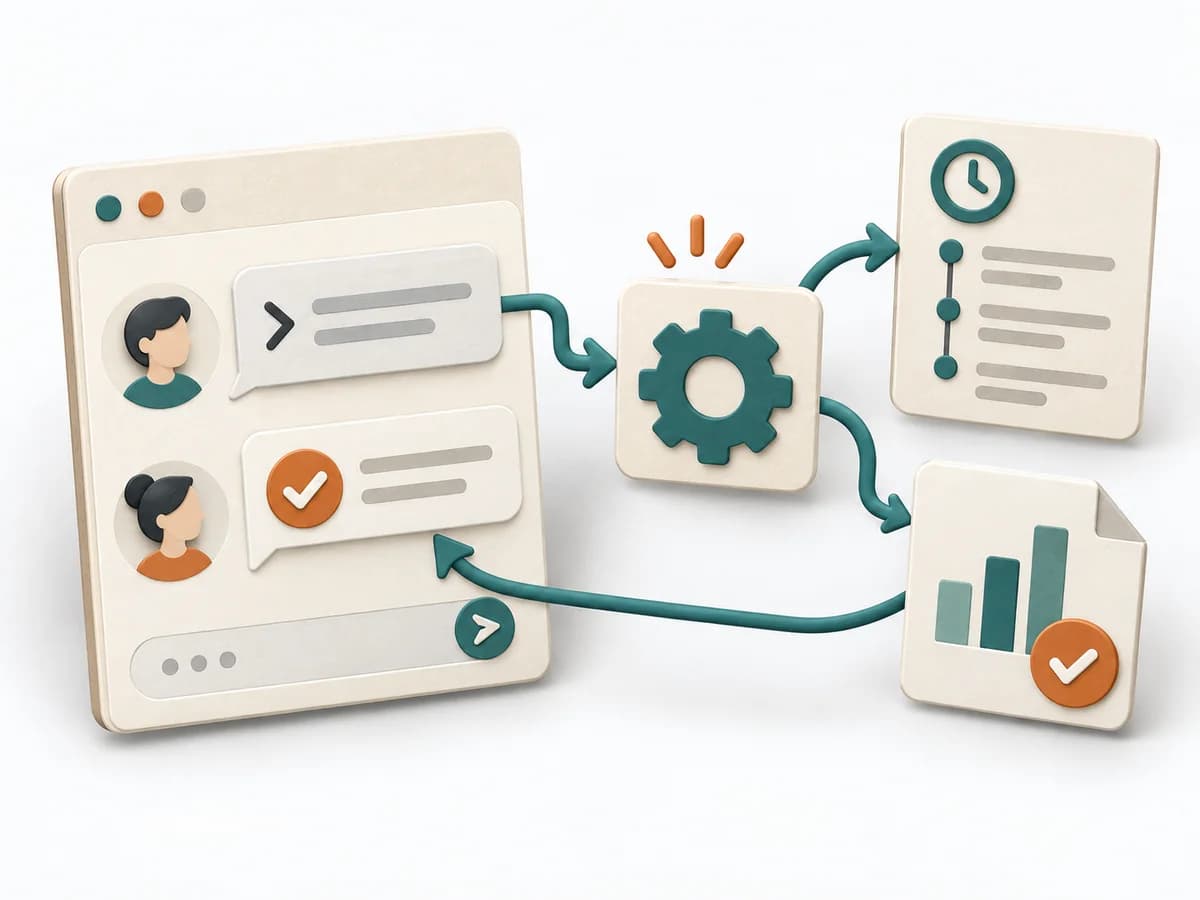 DevOps ChatOps |  Facilitation Expectation Mapping |  Facilitation Alignment Mapping |
|---|---|---|---|---|
Purposedifferent | The PARA Method organizes knowledge into Projects, Areas, Resources, and Archives. It creates order when digital notes, files, and tasks no longer cleanly fit current work. | For operational work in a distributed team, the method links communication with direct system control. It records decisions right where the signal, the context, and the execution come together. | When roles, interfaces, or projects fail because of differing expectations, Expectation Mapping surfaces these differences. It shows what each side takes for granted and where the pictures diverge. | When several people work toward one goal but hold different mental maps, Alignment Mapping makes the discrepancies visible. It arranges goals, assumptions, and priorities so shared direction becomes verifiable. |
Complexitydifferent | Medium | Medium | Low | Medium |
Timedifferent | 1-3 h Setup, laufend | Ongoing | 45-90 min | 1-2 h |
Participantsdifferent | 1 | 2-20 | 3-12 | 4-12 |
Formatdifferent | Async | Workshop + async | Workshop | Workshop |
Outputdifferent | PARA Structure, Project Notes, Knowledge Archive | Chat Transcript, Action Log, Automations | Expectation Map, Alignment Notes, Agreements | Alignment Map, Open Issues, Decision Questions |
Tagsno overlap | KnowledgeProductivityOrganization | CollaborationEngineeringIncident | AlignmentStakeholdersTeam | AlignmentStakeholdersStrategyFacilitation |