View methods side by side.
Choose up to four methods. Add them using the search and share the comparison by copying its link.
| Criterion |  Knowledge Modeling PARA Method |  Systems Thinking CATWOE Analysis | 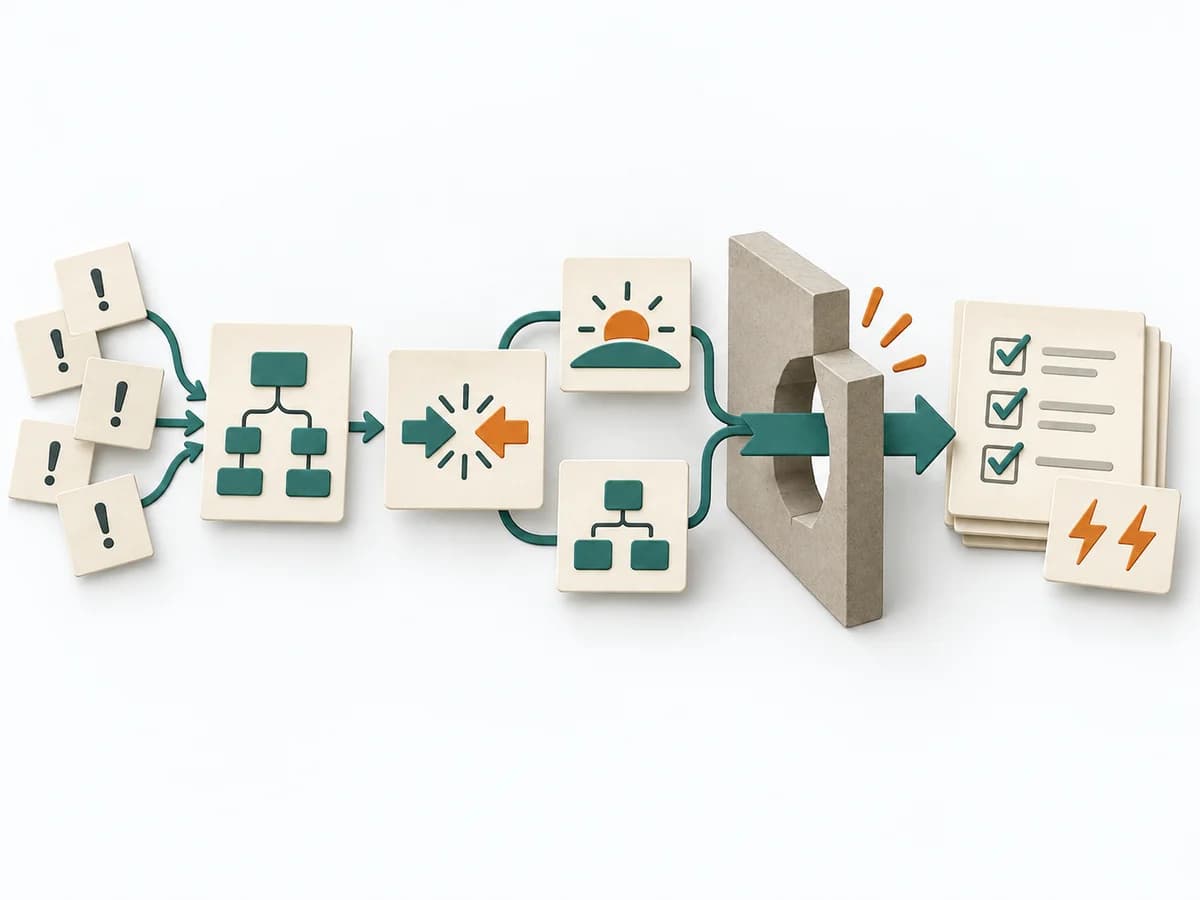 Systems Thinking Theory of Constraints Thinking Process | 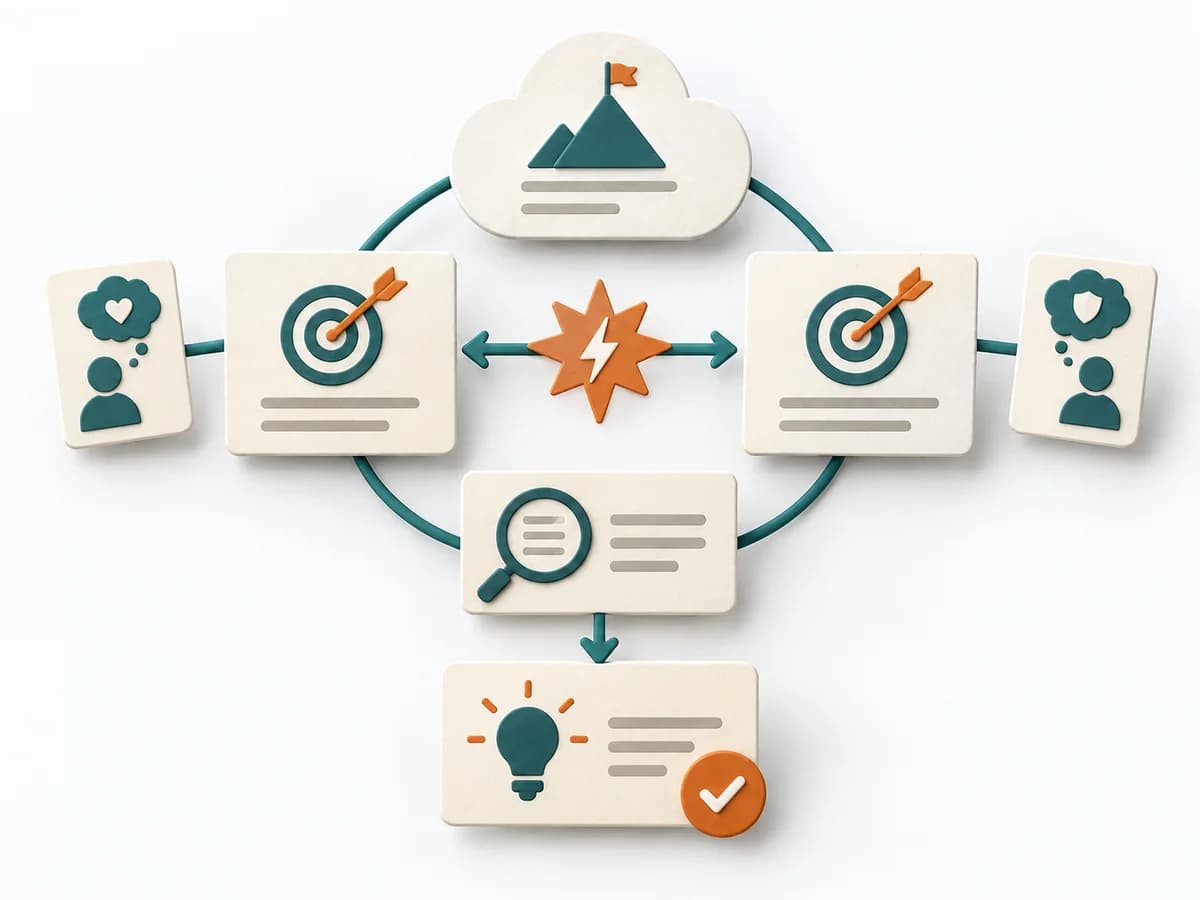 Systems Thinking Evaporating Cloud |
|---|---|---|---|---|
Purposedifferent | The PARA Method organizes knowledge into Projects, Areas, Resources, and Archives. It creates order when digital notes, files, and tasks no longer cleanly fit current work. | CATWOE structures a problem from six viewpoints and prevents too narrow a view of the situation. Different experiences of the system become comparably discussable this way. | The Theory of Constraints Thinking Process exposes a system's bottleneck and the logic behind it. It suits situations where many symptoms trace back to the same limiting relationship. | The method makes visible why two seemingly incompatible demands arise and which assumption must be tested to resolve the conflict. |
Complexitydifferent | Medium | Medium | High | Medium |
Timedifferent | 1-3 h Setup, laufend | 45-90 min | 0.5-3 Tage | 60-120 min |
Participantsdifferent | 1 | 3-8 | 4-10 | 2-8 |
Formatdifferent | Async | Workshop + async | Workshop | Workshop |
Outputdifferent | PARA Structure, Project Notes, Knowledge Archive | CATWOE Canvas, Root Definition, Stakeholder Perspectives, Constraints | Current Reality Logic, Conflict Cloud, Future Reality Tree, Implementation Obstacles | Conflict Cloud, Assumption List, Breakthrough Ideas, Next Experiments |
Tagsno overlap | KnowledgeProductivityOrganization | Systems thinkingFramingStakeholders | Theory of ConstraintsConstraintsSystems thinkingCausality | Theory of ConstraintsAssumptionsSystems thinking |