View methods side by side.
Choose up to four methods. Add them using the search and share the comparison by copying its link.
| Criterion |  Knowledge Modeling PARA Method |  Operations Barrier Analysis | 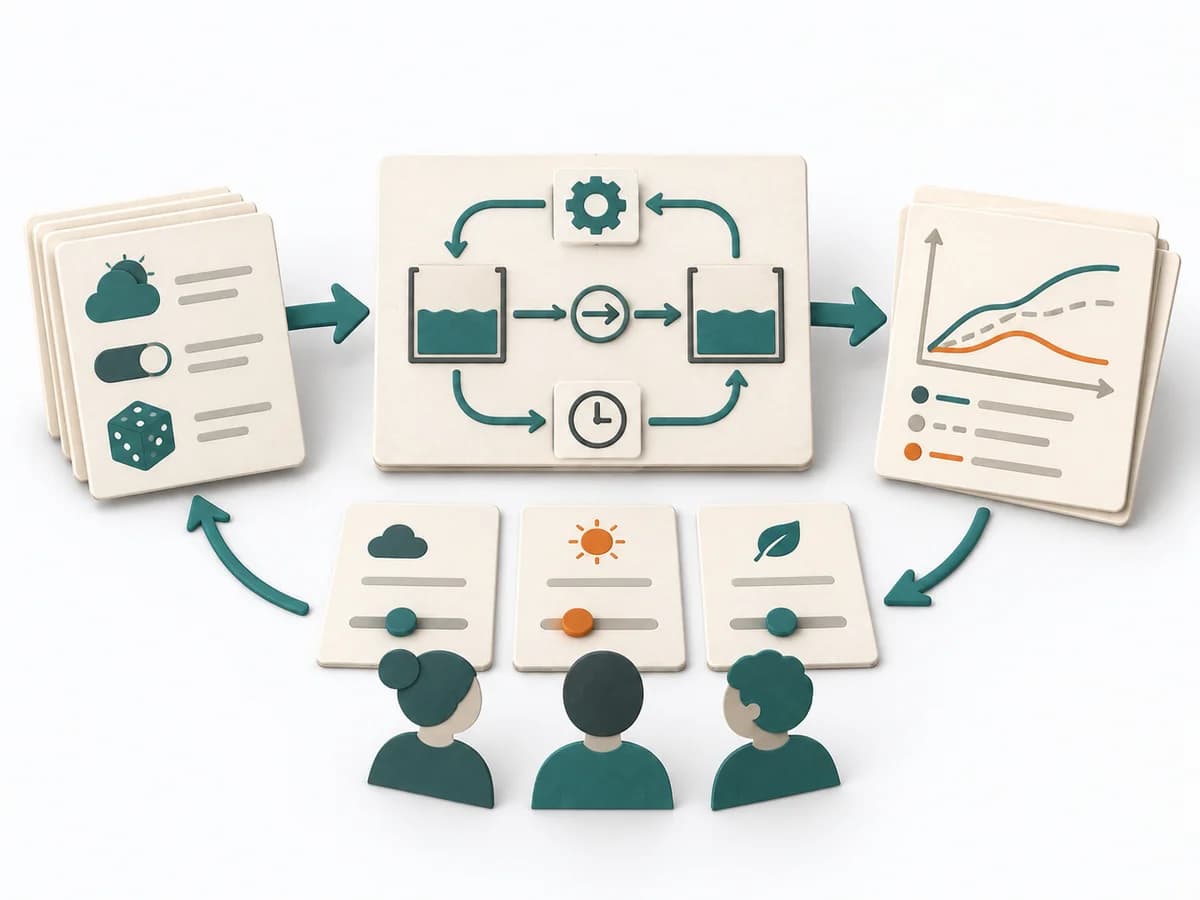 Systems Thinking System Dynamics Simulation | 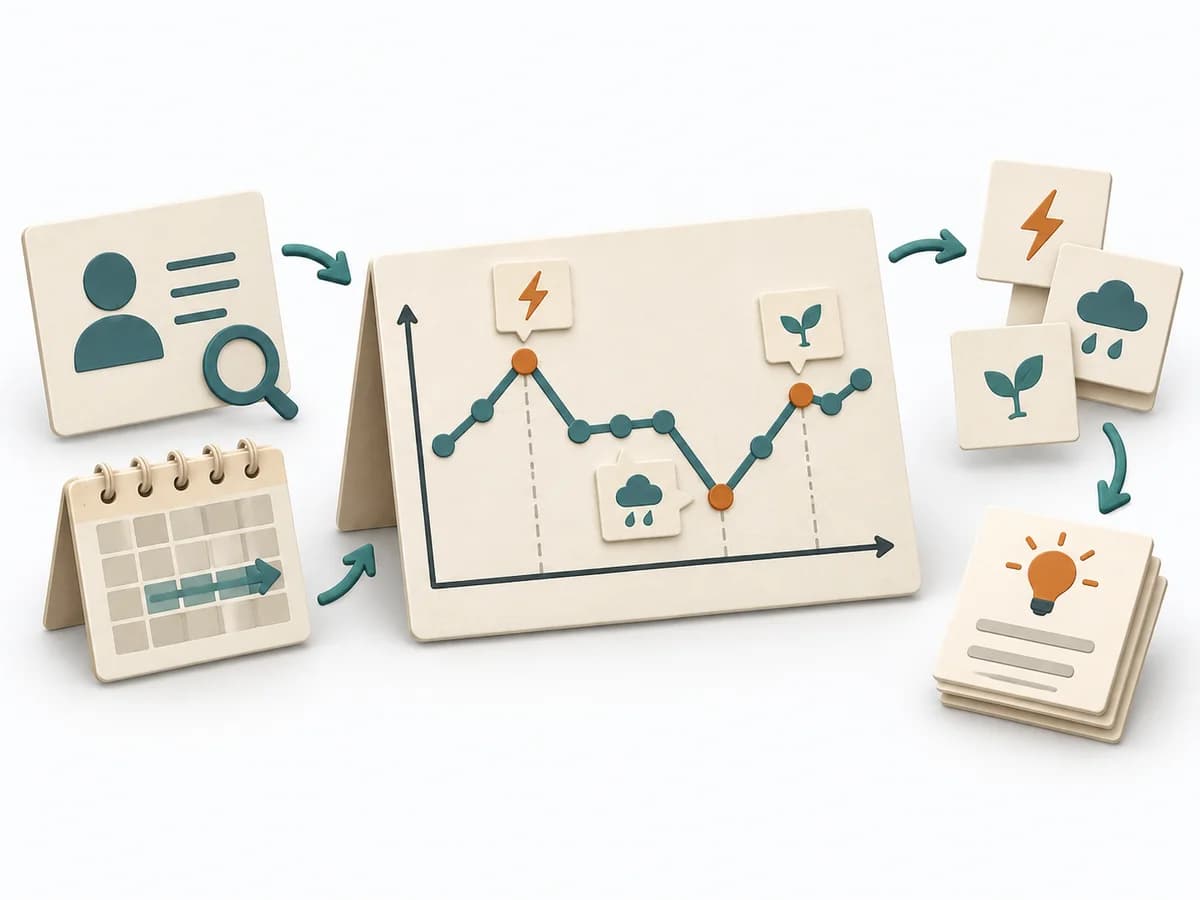 Systems Thinking Behavior Over Time Graph |
|---|---|---|---|---|
Purposedifferent | The PARA Method organizes knowledge into Projects, Areas, Resources, and Archives. It creates order when digital notes, files, and tasks no longer cleanly fit current work. | For a risk that can only be managed through multiple layers of protection, the method examines the effectiveness of each barrier. It shows where safeguards are missing, too weak, or fail under real conditions. | System Dynamics Simulation makes assumptions about time, delay, and feedback testable through experiments. It draws relationships, patterns, and feedback loops. The result is captured as a simulation model and scenario reports. | A Behavior Over Time Graph shows how a metric or observation develops over time. The method makes trends, breaks, and recurring patterns visible that get lost in snapshots. |
Complexitydifferent | Medium | Medium | High | Low |
Timedifferent | 1-3 h Setup, laufend | 2-4 h | Mehrere Tage bis Wochen | 20-45 min |
Participantsdifferent | 1 | 2-6 | 1-5 Modellierende, Stakeholder asynchron | 1-10 |
Formatdifferent | Async | Workshop + async | Async | Workshop + async |
Outputdifferent | PARA Structure, Project Notes, Knowledge Archive | Barrier Inventory, Failure Analysis per Barrier, Action Backlog | Simulation Model, Scenario Reports | Behavior Over Time Graph, Trend Hypotheses, Key Events |
Tagsno overlap | KnowledgeProductivityOrganization | Root causeSafetyIncident | Systems thinkingDynamicsSimulationAnalysis | Systems thinkingPatternsDynamics |