View methods side by side.
Choose up to four methods. Add them using the search and share the comparison by copying its link.
| Criterion | 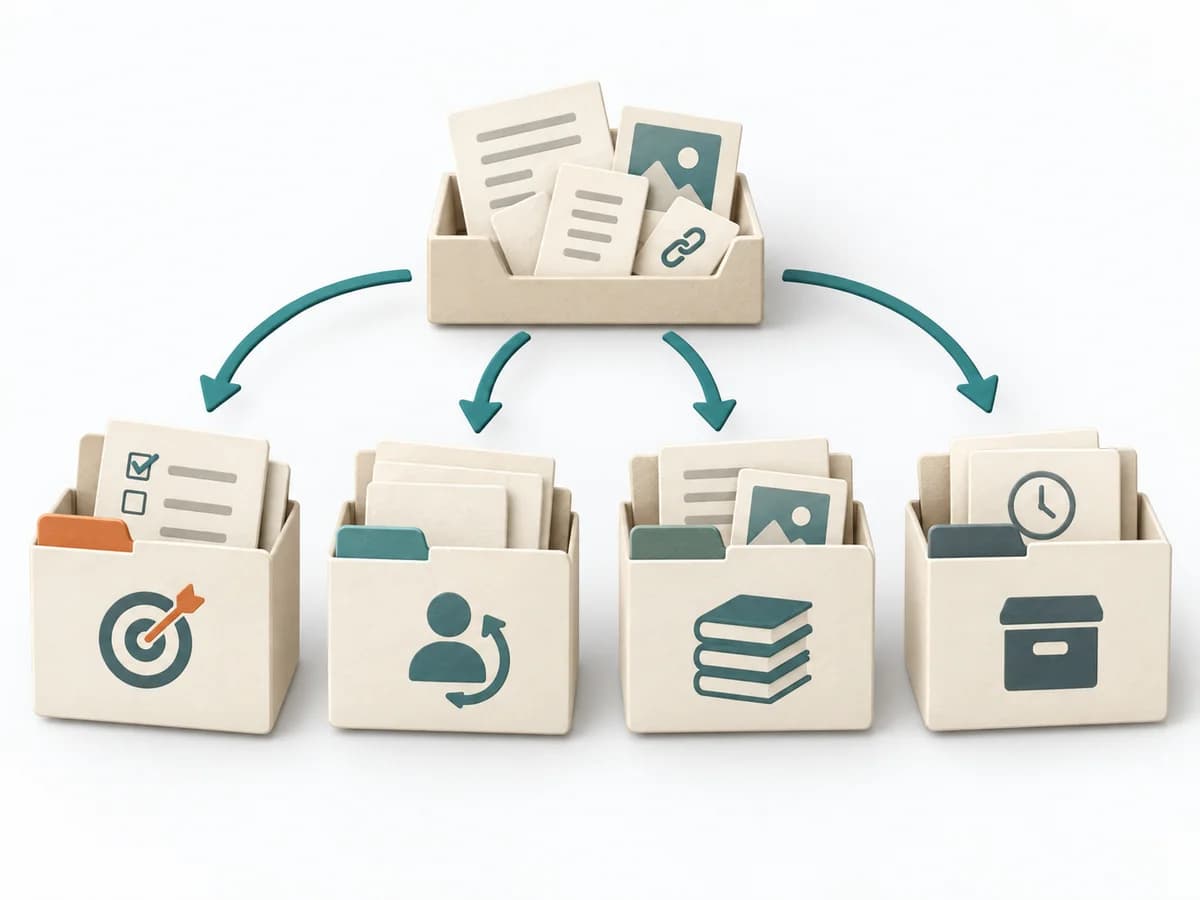 Knowledge Modeling PARA Method | 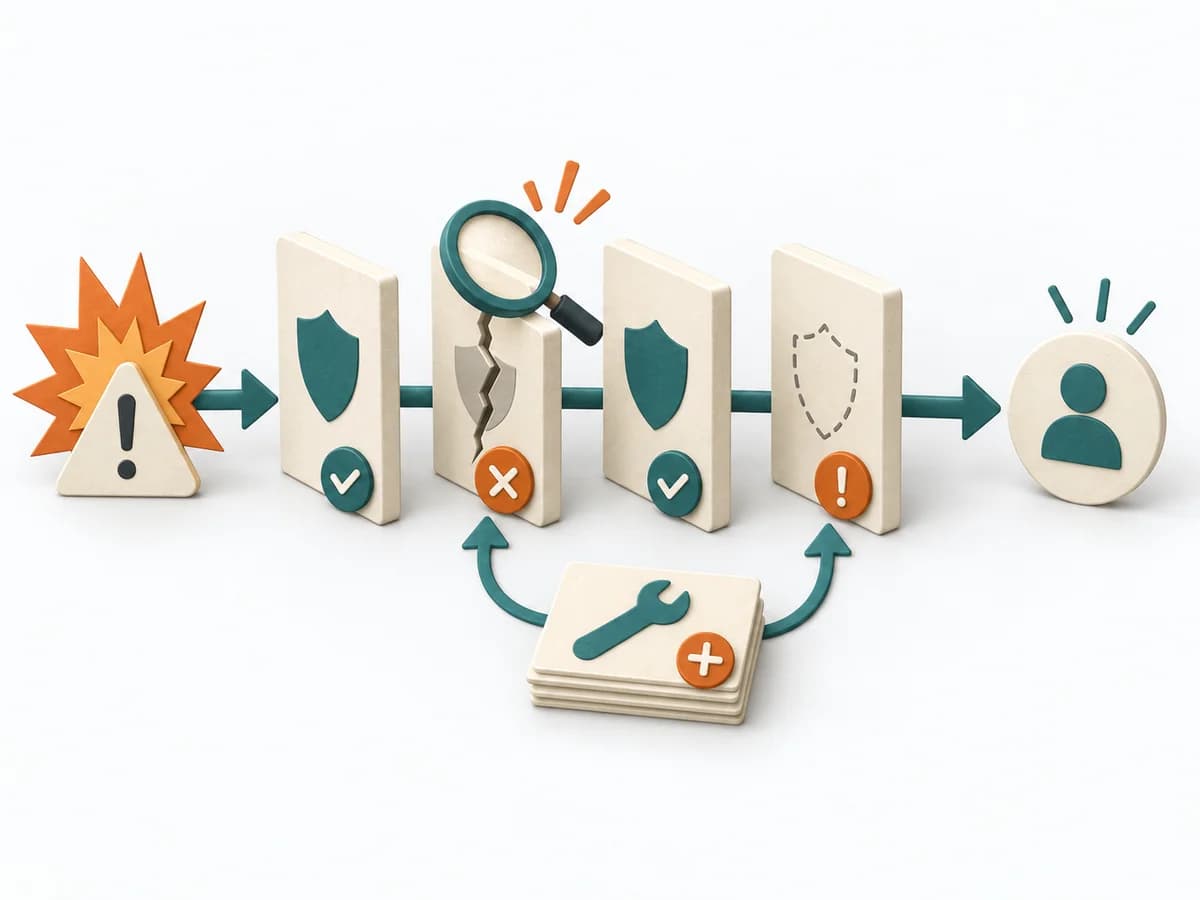 Operations Barrier Analysis |  Operations 5 Whys | 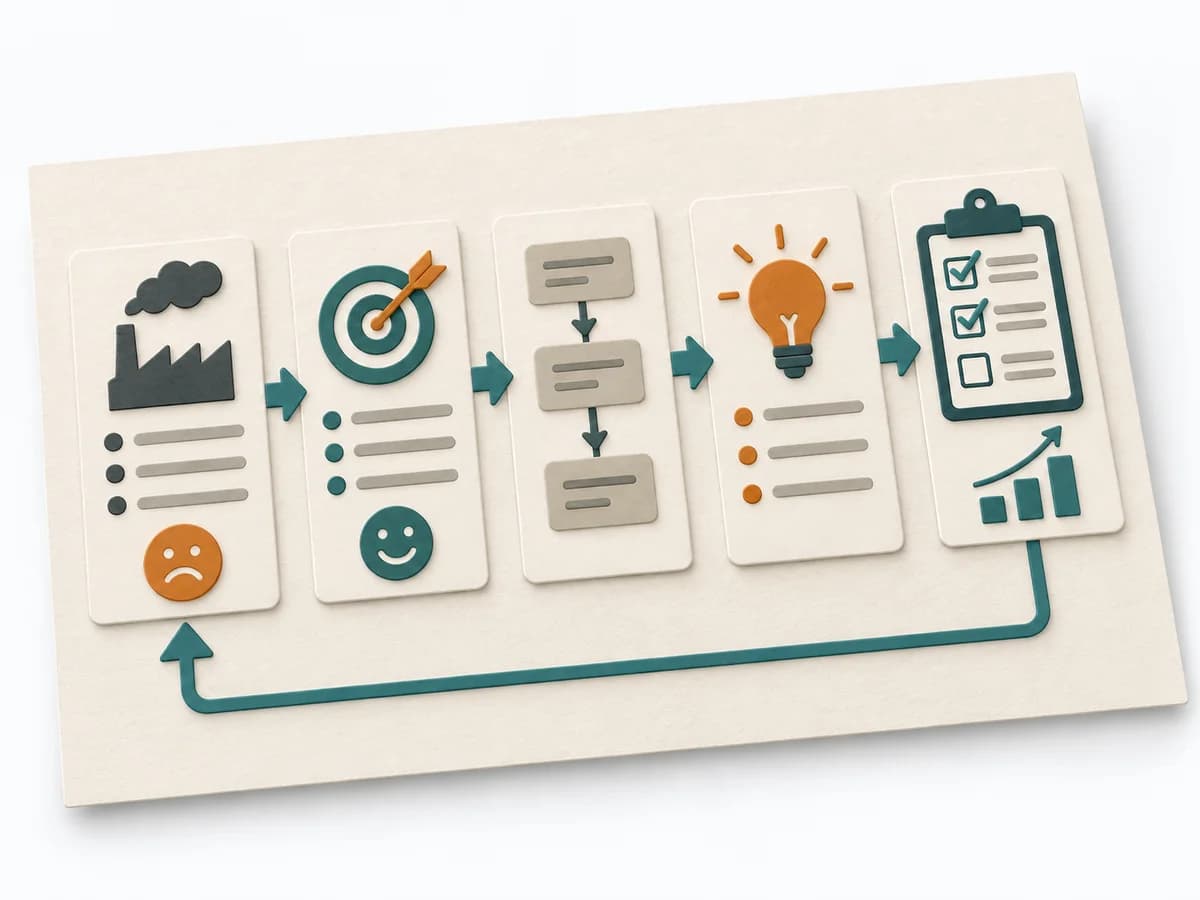 Operations A3 Problem Solving |
|---|---|---|---|---|
Purposedifferent | The PARA Method organizes knowledge into Projects, Areas, Resources, and Archives. It creates order when digital notes, files, and tasks no longer cleanly fit current work. | For a risk that can only be managed through multiple layers of protection, the method examines the effectiveness of each barrier. It shows where safeguards are missing, too weak, or fail under real conditions. | For a single, hard-to-explain deviation, the method exposes the causal chain behind the visible symptom. It keeps the cause open until a controllable condition emerges instead of a mere description. | For a complex deviation with several people involved, the method bundles problem, analysis, and decision onto one page. It creates a shared working space where causes, countermeasures, and follow-up fit together. |
Complexitydifferent | Medium | Medium | Low | Medium |
Timedifferent | 1-3 h Setup, laufend | 2-4 h | 15-30 min | 45-90 min |
Participantsdifferent | 1 | 2-6 | 2-6 | 2-5 |
Formatdifferent | Async | Workshop + async | Workshop | Workshop + async |
Outputdifferent | PARA Structure, Project Notes, Knowledge Archive | Barrier Inventory, Failure Analysis per Barrier, Action Backlog | Root cause notes, Countermeasures | A3 Report, Action Plan, Root Cause Analysis |
Tagsno overlap | KnowledgeProductivityOrganization | Root causeSafetyIncident | Root causeIncidentLeanProblem solving | LeanProblem solvingCoachingOperations |