View methods side by side.
Choose up to four methods. Add them using the search and share the comparison by copying its link.
| Criterion |  Knowledge Modeling PARA Method |  Operations Barrier Analysis | 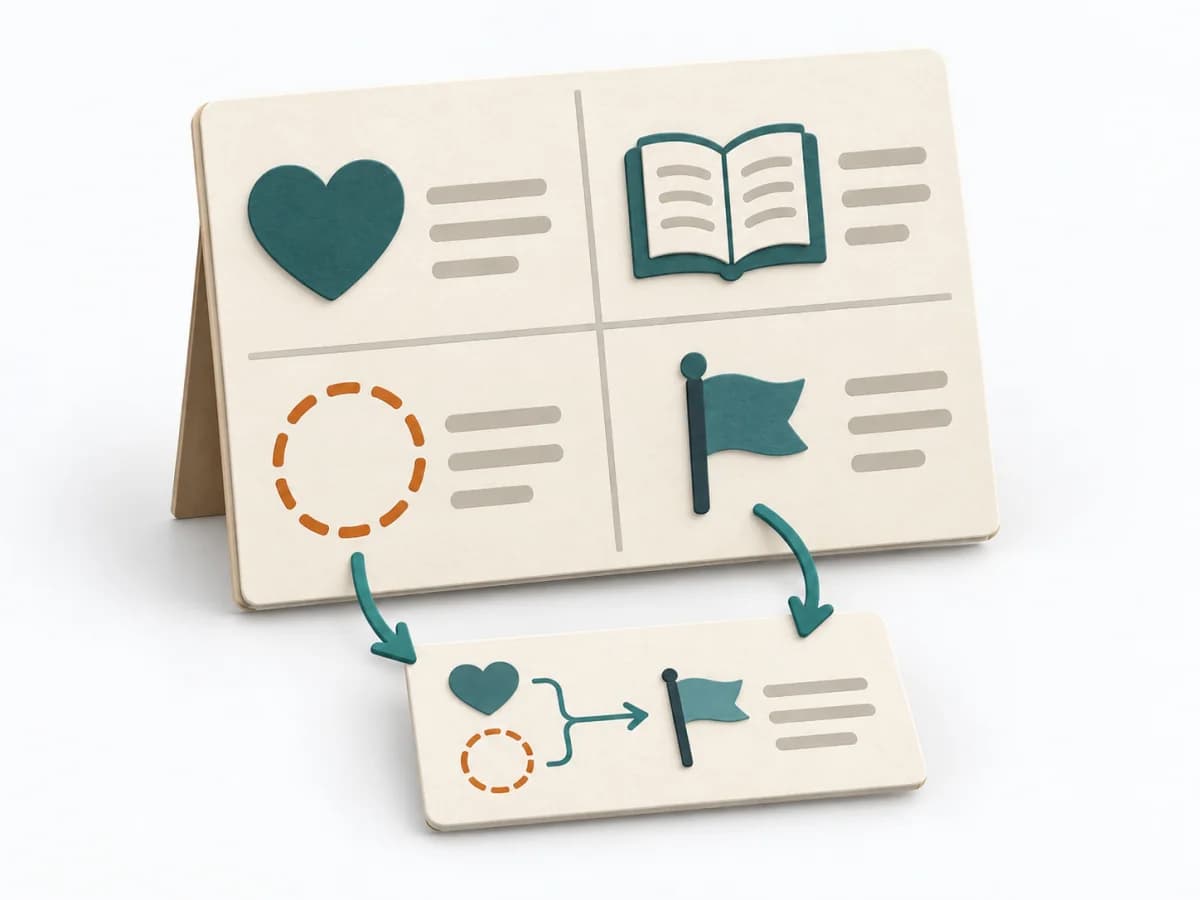 Agile 4Ls Retrospective | 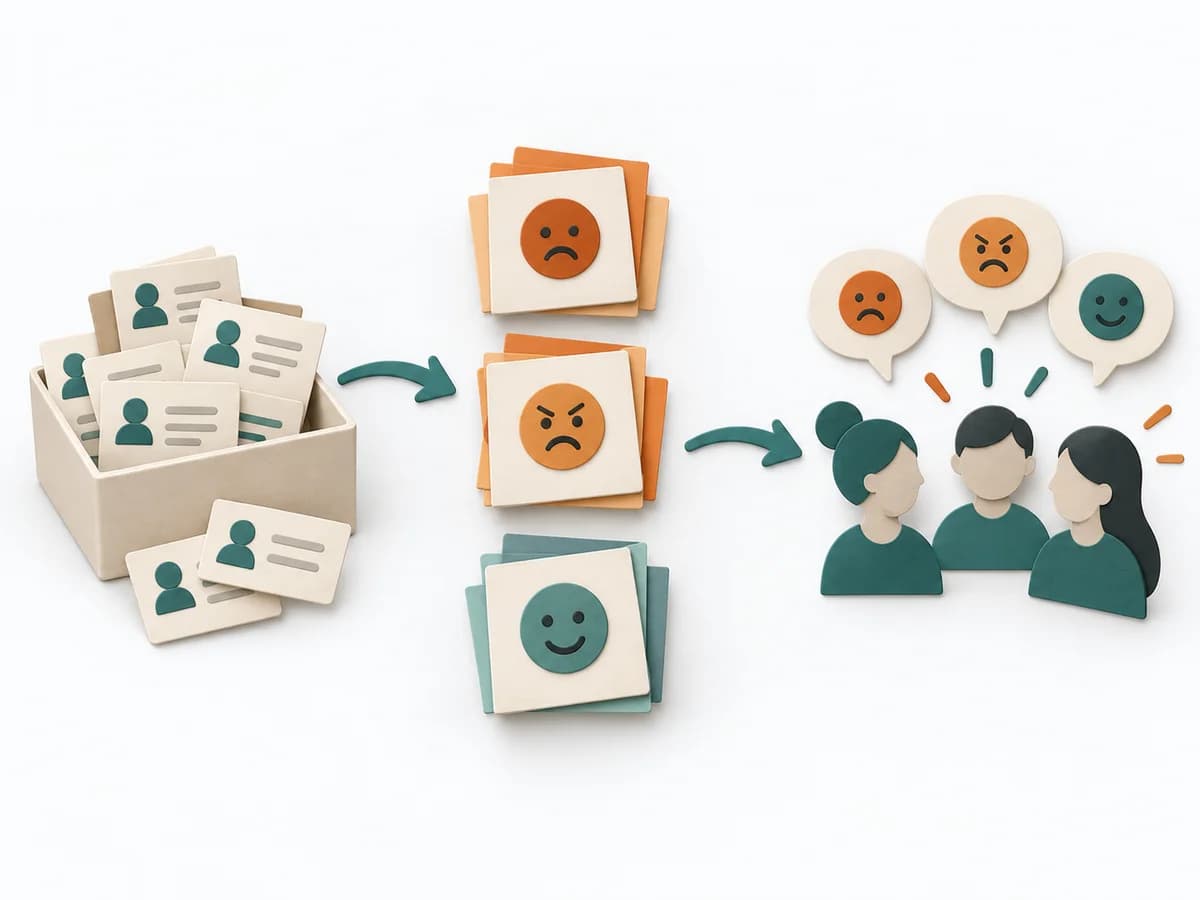 Agile Mad Sad Glad |
|---|---|---|---|---|
Purposedifferent | The PARA Method organizes knowledge into Projects, Areas, Resources, and Archives. It creates order when digital notes, files, and tasks no longer cleanly fit current work. | For a risk that can only be managed through multiple layers of protection, the method examines the effectiveness of each barrier. It shows where safeguards are missing, too weak, or fail under real conditions. | When a sprint should not only be assessed but also learned from, it captures experience in clear learning categories. It records what worked, what's missing, and what should run differently next time. | When a team's or workshop's mood needs to become readable, it structures emotional signals with little setup. It makes strain, relief, and sources of energy tangible. |
Complexitydifferent | Medium | Medium | Low | Low |
Timedifferent | 1-3 h Setup, laufend | 2-4 h | 45–75 min | 30-60 min |
Participantsdifferent | 1 | 2-6 | Team members involved | 3-10 |
Formatdifferent | Async | Workshop + async | Workshop | Workshop |
Outputdifferent | PARA Structure, Project Notes, Knowledge Archive | Barrier Inventory, Failure Analysis per Barrier, Action Backlog | 4Ls Board, Learning Themes, Improvement Actions | Emotion Board, Themes, Action Items |
Tagsno overlap | KnowledgeProductivityOrganization | Root causeSafetyIncident | RetrospectiveLearningReflectionTeam | RetrospectiveTeamReflection |