View methods side by side.
Choose up to four methods. Add them using the search and share the comparison by copying its link.
| Criterion | 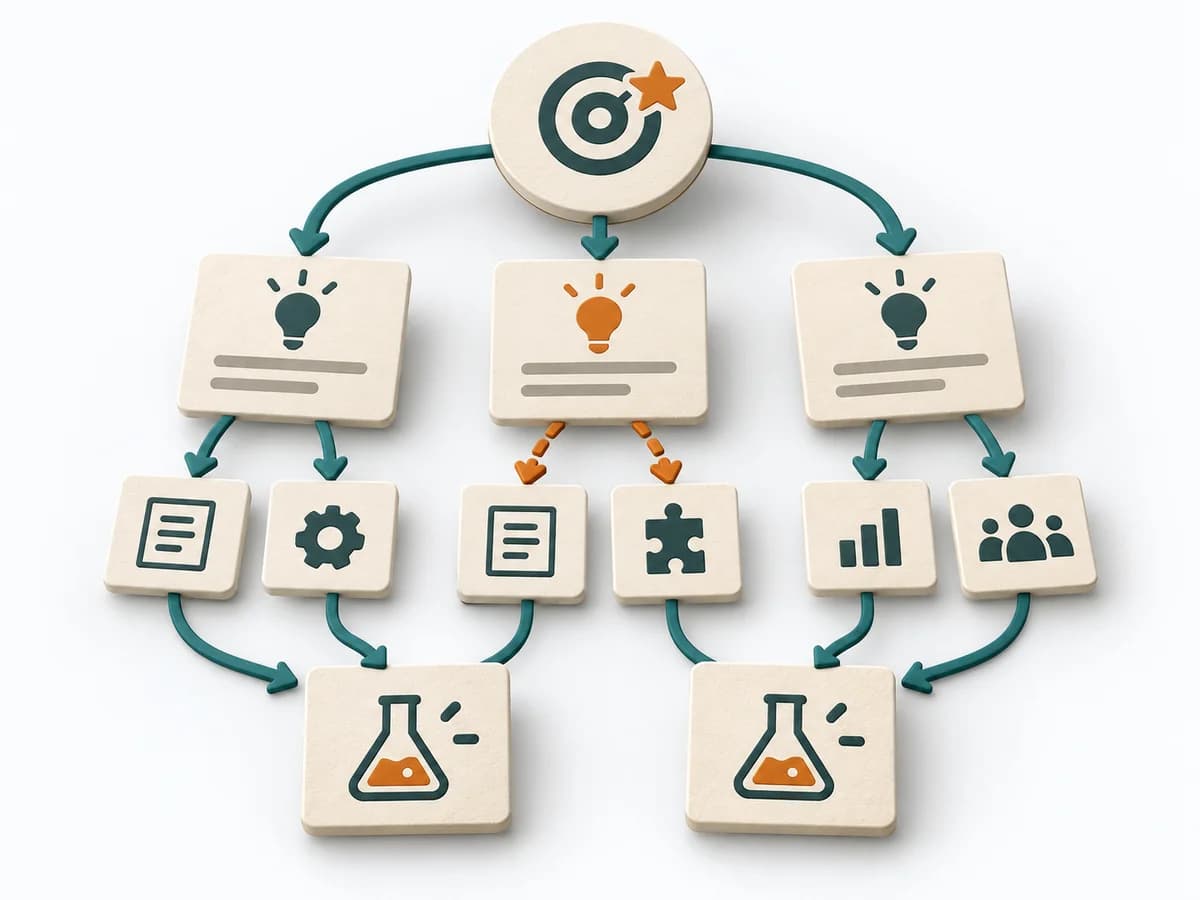 Product Discovery Opportunity Solution Tree | 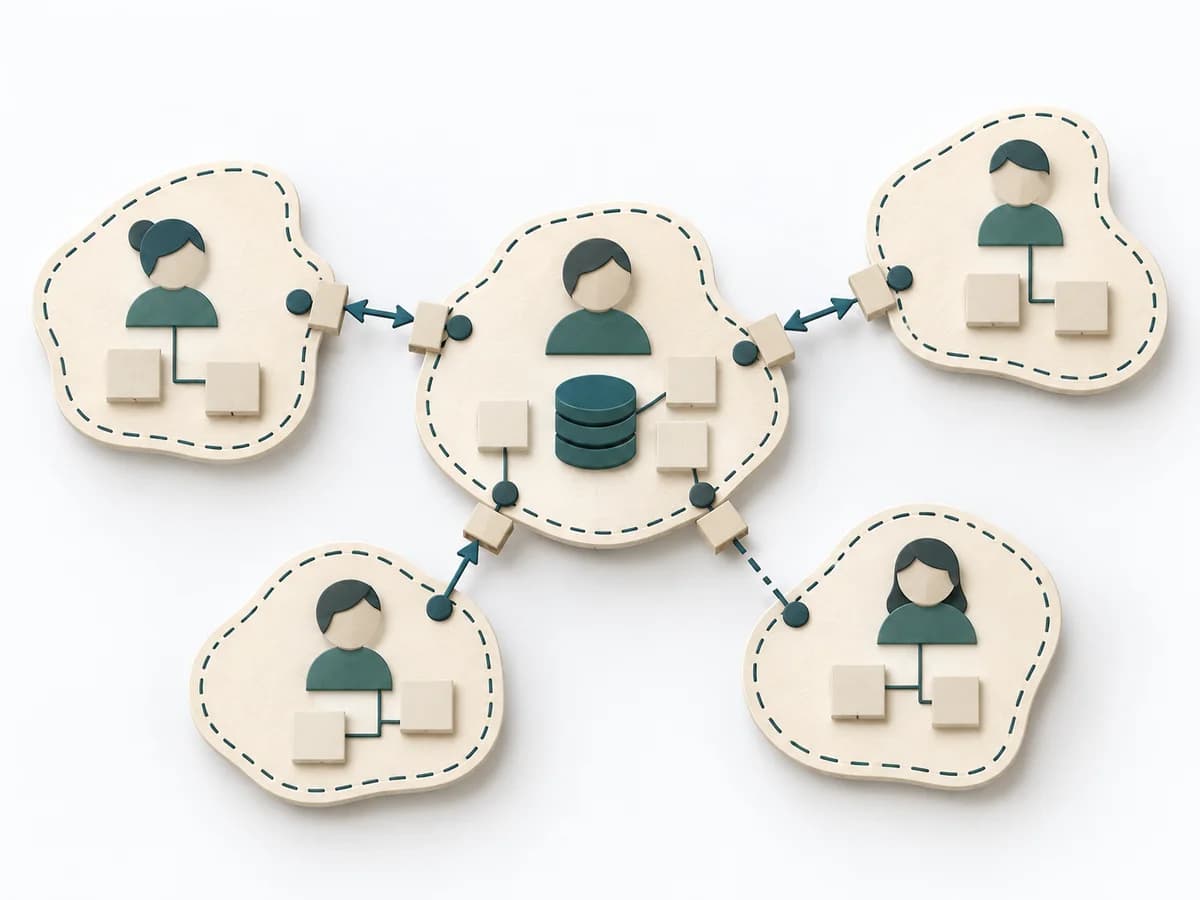 Domain Modeling Domain Context Map |  Product Discovery Test Card | 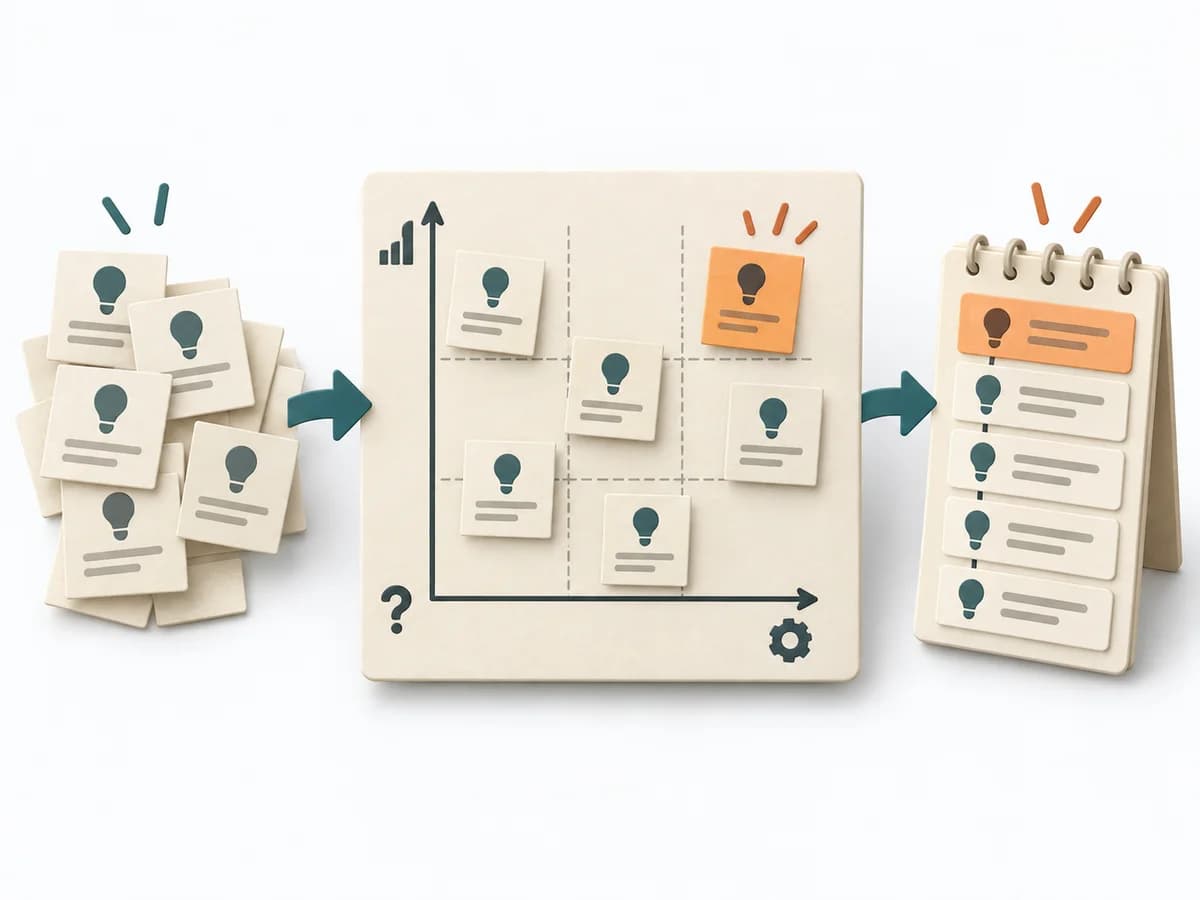 Product Discovery Hypothesis Prioritization Canvas |
|---|---|---|---|---|
Purposedifferent | When discovery keeps swinging between goals, ideas, and learning loops, it creates clear steering logic. It connects the desired outcome, opportunities, and experiments into a legible structure. | When a domain model and its associated contexts need to be thought through together, it creates a shared overview. It connects the business view and organizational boundary into a readable whole. | The Test Card turns a critical assumption into a testable claim and specifies in advance which result counts as success. | When many hypotheses compete for attention, it brings order to their learning sequence and importance. It separates problem, assumption, solution, and evidence. The result is captured as a prioritization canvas and a hypothesis backlog. |
Complexitydifferent | Medium | Medium | Low | Medium |
Timedifferent | 1-2 h Setup, laufend | 1-3 h | 20-35 min | 60-90 min |
Participantsdifferent | 2-6 | 3-10 | 1-5 | 3-8 |
Formatdifferent | Workshop + async | Workshop | Workshop + async | Workshop |
Outputdifferent | Opportunity Solution Tree, Experiment Backlog, Learning Log | Domain Context Map, Boundary Notes, Ownership Map | Test Card with a pre-set threshold | Prioritization Canvas, Hypothesis Backlog |
Tagsno overlap | DiscoveryOutcomesExperimentsOpportunity | Domain-Driven DesignContextBoundaries | ExperimentsValidationDiscoveryHypothesis | ExperimentsPrioritizationDiscoveryHypothesis |