View methods side by side.
Choose up to four methods. Add them using the search and share the comparison by copying its link.
| Criterion |  Product Discovery Opportunity Scoring |  UX Research User Interviews |  Business Strategy GAP Analysis | 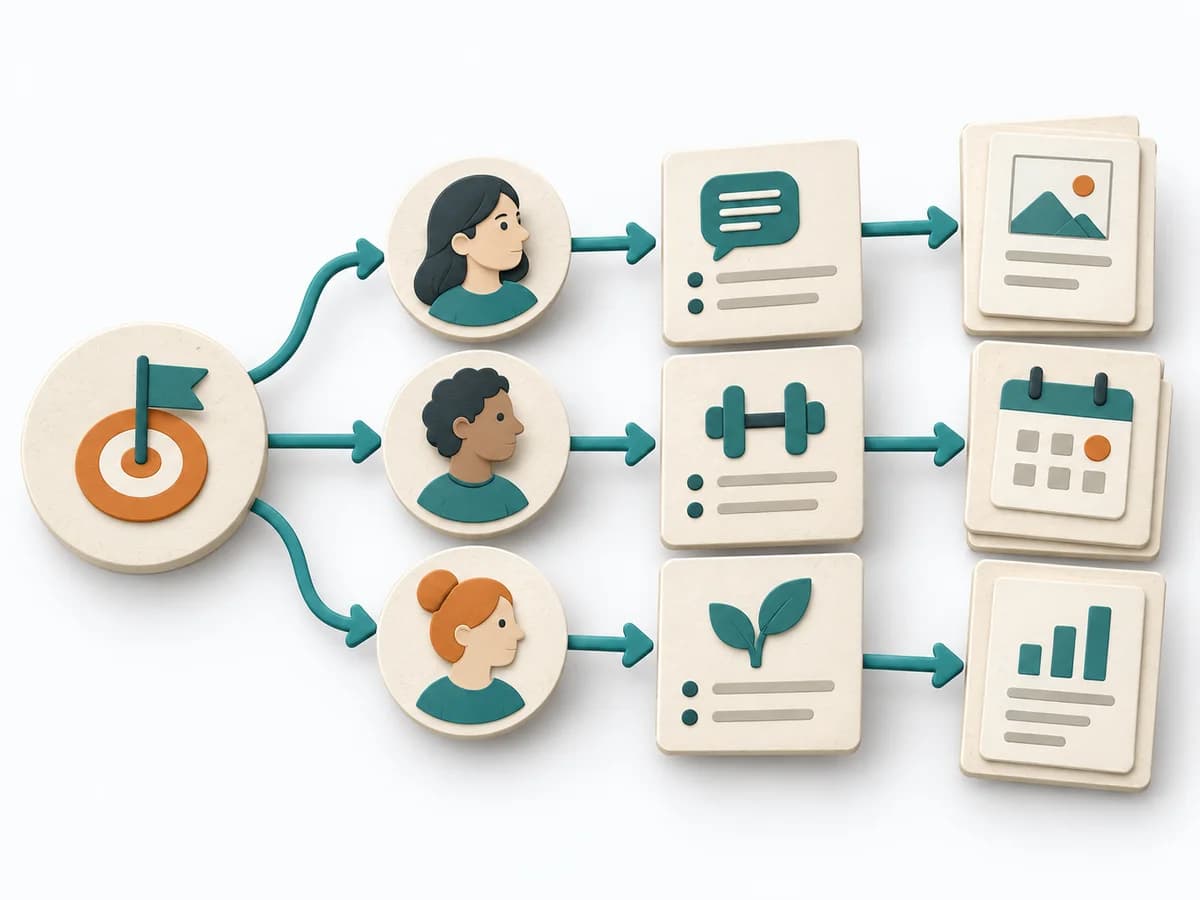 Product Strategy Impact Mapping |
|---|---|---|---|---|
Purposedifferent | When opportunities need ranking by their effect, it makes importance and satisfaction directly comparable. It separates problem, assumption, solution, and evidence. The result is captured as an opportunity-score table and top outcomes. | When teams derive needs only from assumptions and real motives are missing, user interviews give direct access to behavior and meaning. Conversations from the target group's everyday life make patterns, tensions, and open questions solidly visible. | GAP Analysis compares the current state with a target picture and makes the distance manageable. It becomes useful when, ahead of new initiatives, it must become clear which capabilities, processes, or resources are missing. | When a goal needs to be connected to several possible paths, it shows chains of impact instead of feature lists. It connects business goal, behavior change, and measures. |
Complexitydifferent | Medium | Low | Medium | Medium |
Timedifferent | 60-120 min | 30–60 min per interview | 1-3 h | 45-90 min |
Participantsdifferent | 3-6 | 1 participant per interview | 2-8 | 3-8 |
Formatdifferent | Workshop + async | Workshop + async | Workshop + async | Workshop |
Outputdifferent | Opportunity Score Table, Top Outcomes | Interview Notes, Themes, Insight Summary | Gap Matrix, Action Plan, Risk Notes | Impact Map, Outcome Hypotheses, Delivery Options |
Tagsno overlap | PrioritizationDiscoveryOutcomesNeeds | QualitativeResearchCustomerDiscovery | StrategyAnalysisPlanning | OutcomesStrategyBehaviorPlanning |