View methods side by side.
Choose up to four methods. Add them using the search and share the comparison by copying its link.
| Criterion | 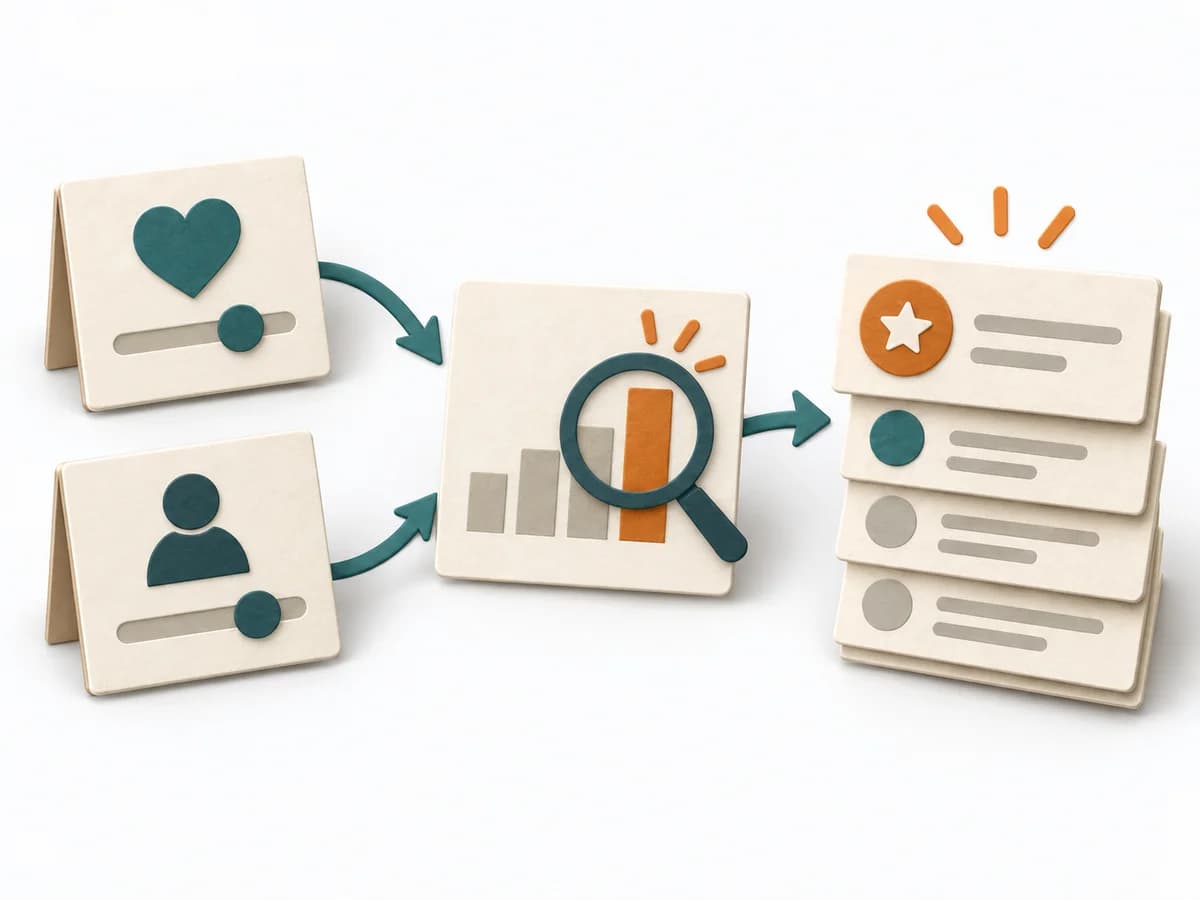 Product Discovery Opportunity Scoring | 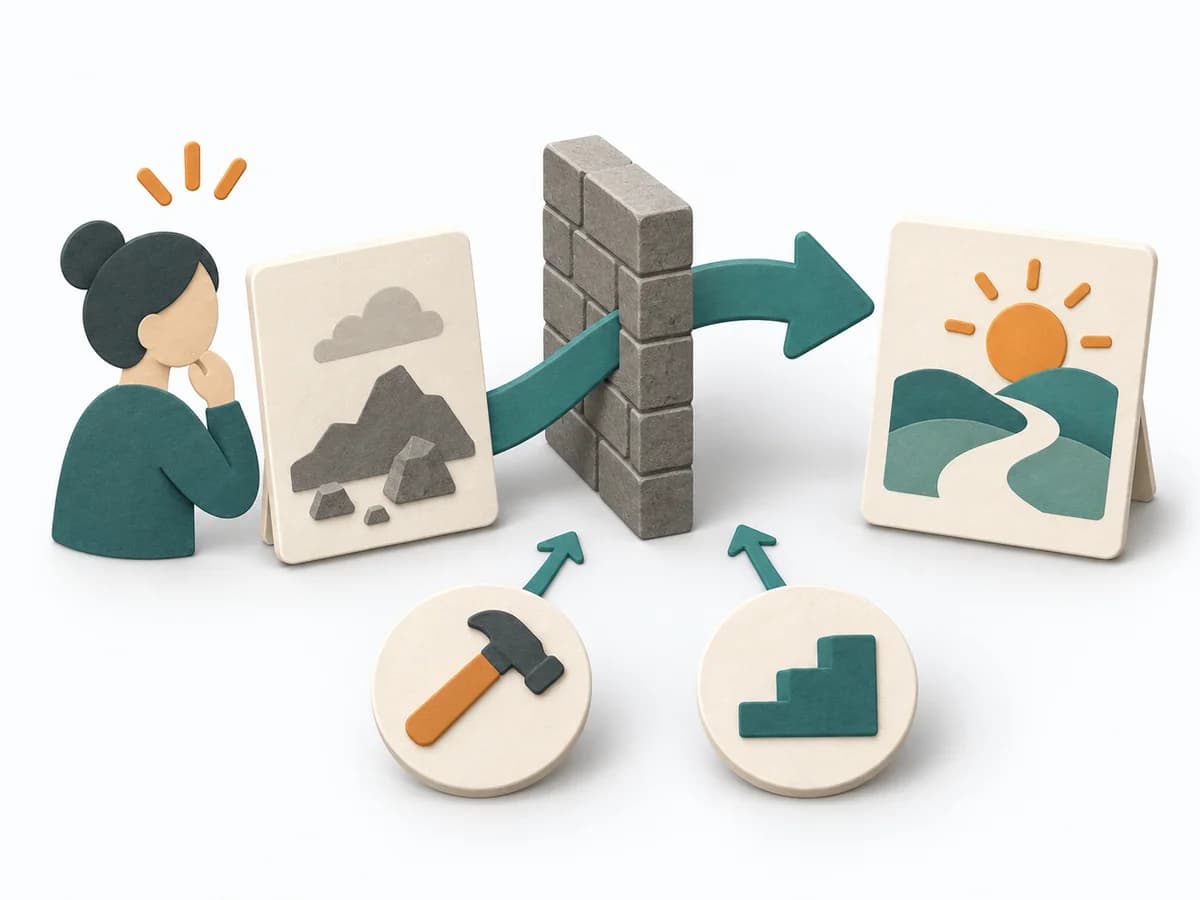 Product Discovery Jobs to Be Done | 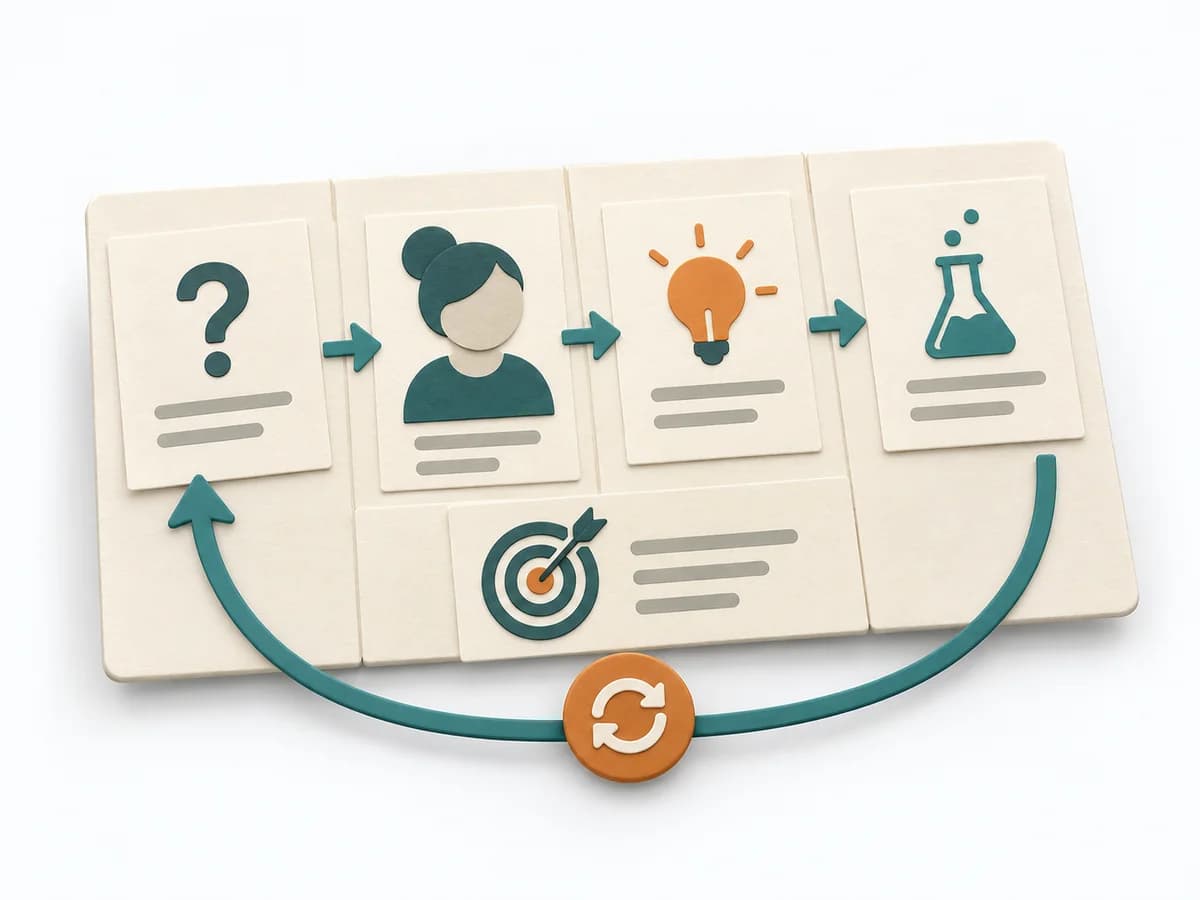 UX Design Lean UX Canvas |  Product Discovery Experiment Canvas |
|---|---|---|---|---|
Purposedifferent | When opportunities need ranking by their effect, it makes importance and satisfaction directly comparable. It separates problem, assumption, solution, and evidence. The result is captured as an opportunity-score table and top outcomes. | When switching motives and progress are unclear, it reconstructs the situation from real customer circumstances. It shows why a switch happens and what kind of progress is being sought. | The Lean UX Canvas helps clarify user behavior, touchpoints, and concept decisions. It makes assumptions and desired outcomes visible and captures the result as a completed canvas, hypothesis list, and first experiment. | When experiments become unreadable after the fact, it arranges hypothesis, signal, and learning goal on a single canvas. It separates problem, assumption, solution, and evidence. The result is captured as a Completed Experiment Canvas and a Success Metric. |
Complexitydifferent | Medium | Medium | Medium | Low |
Timedifferent | 60-120 min | 1-3 Wochen | 2-3 h | 30-60 min |
Participantsdifferent | 3-6 | 5-12 Interviews | 3-8 | 1-5 |
Formatsame | Workshop + async | Workshop + async | Workshop + async | Workshop + async |
Outputdifferent | Opportunity Score Table, Top Outcomes | Job Stories, Outcome Statements, Opportunity List | Completed Lean UX Canvas, Hypothesis list, First experiment | Completed Experiment Canvas, Success Metric |
Tagsno overlap | PrioritizationDiscoveryOutcomesNeeds | CustomerOutcomesNeeds | CanvasHypothesisOutcomesDiscovery | ExperimentsValidationDiscoveryHypothesis |