View methods side by side.
Choose up to four methods. Add them using the search and share the comparison by copying its link.
| Criterion | 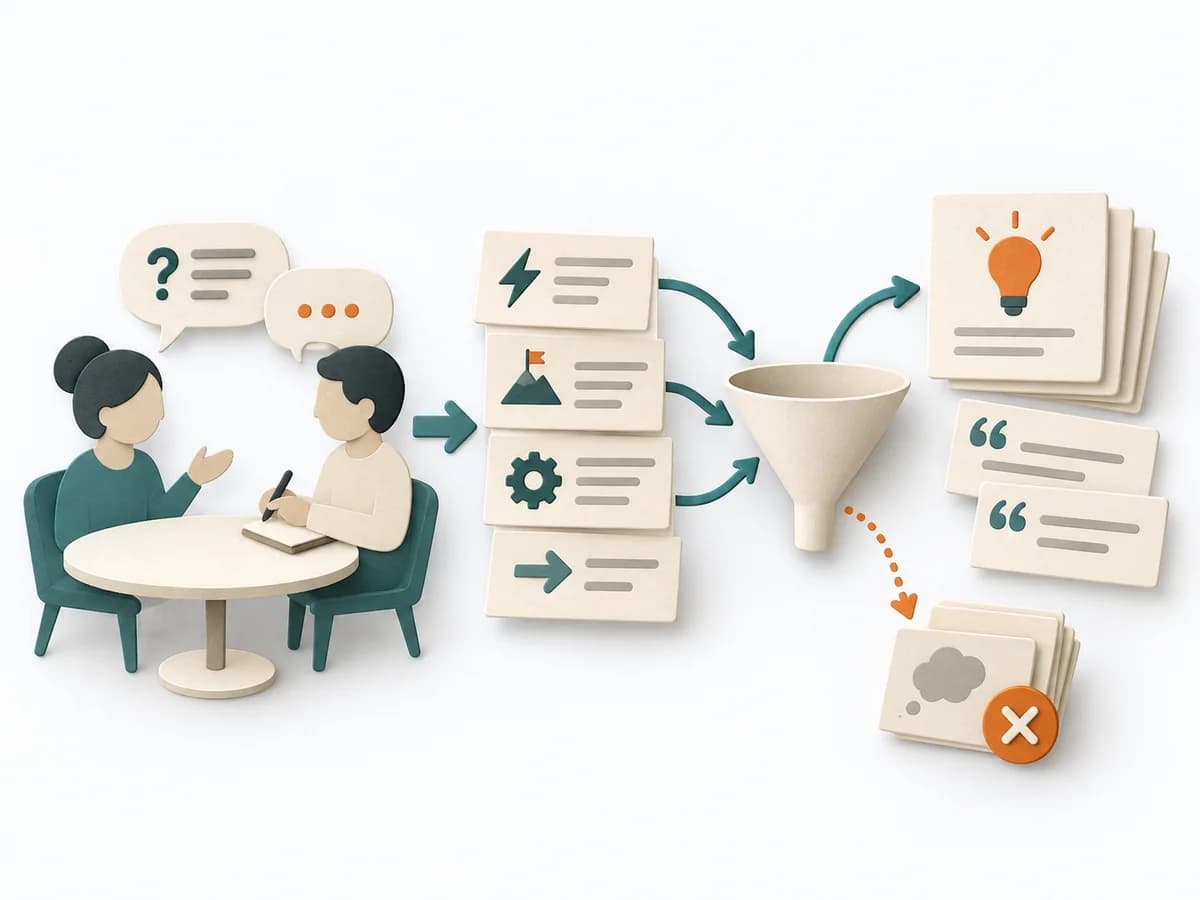 Product Discovery Opportunity Interview | 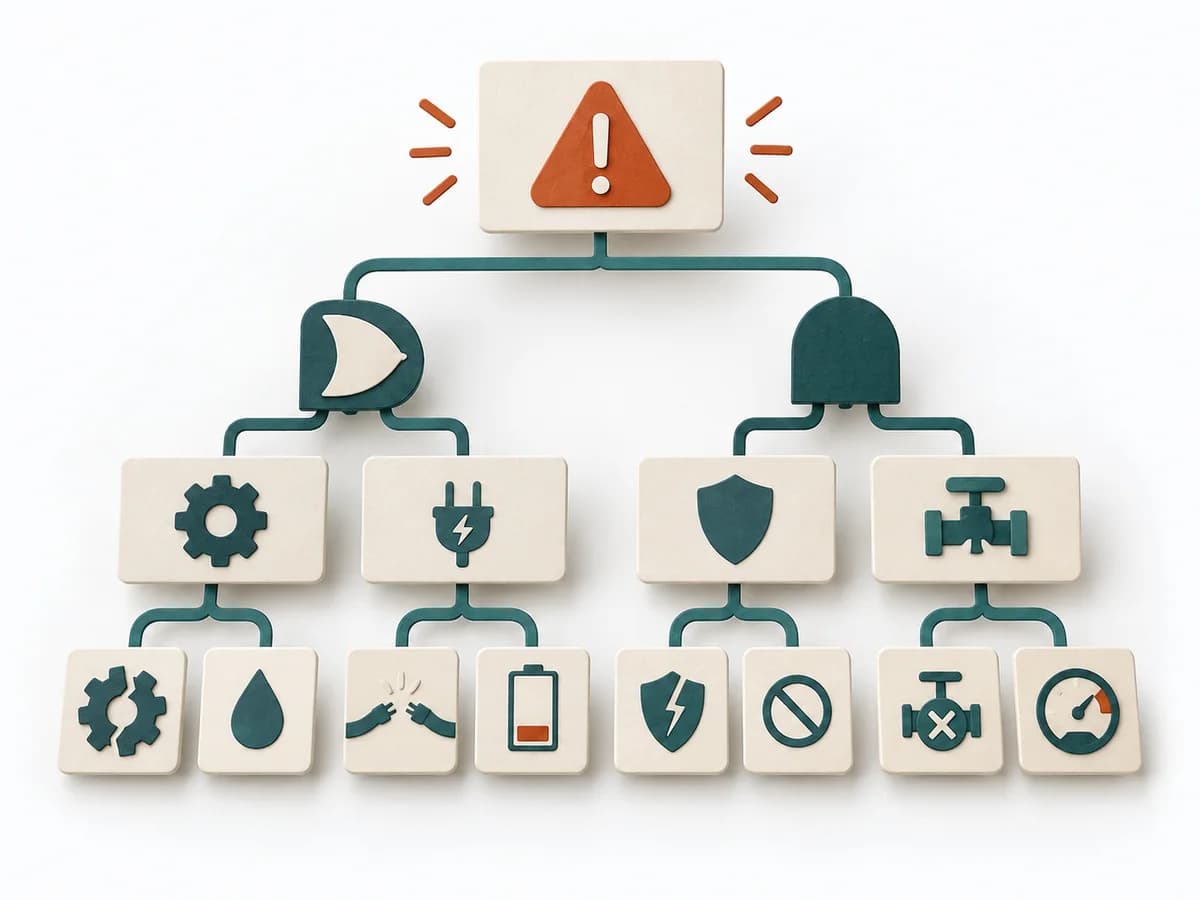 Operations Fault Tree Analysis | 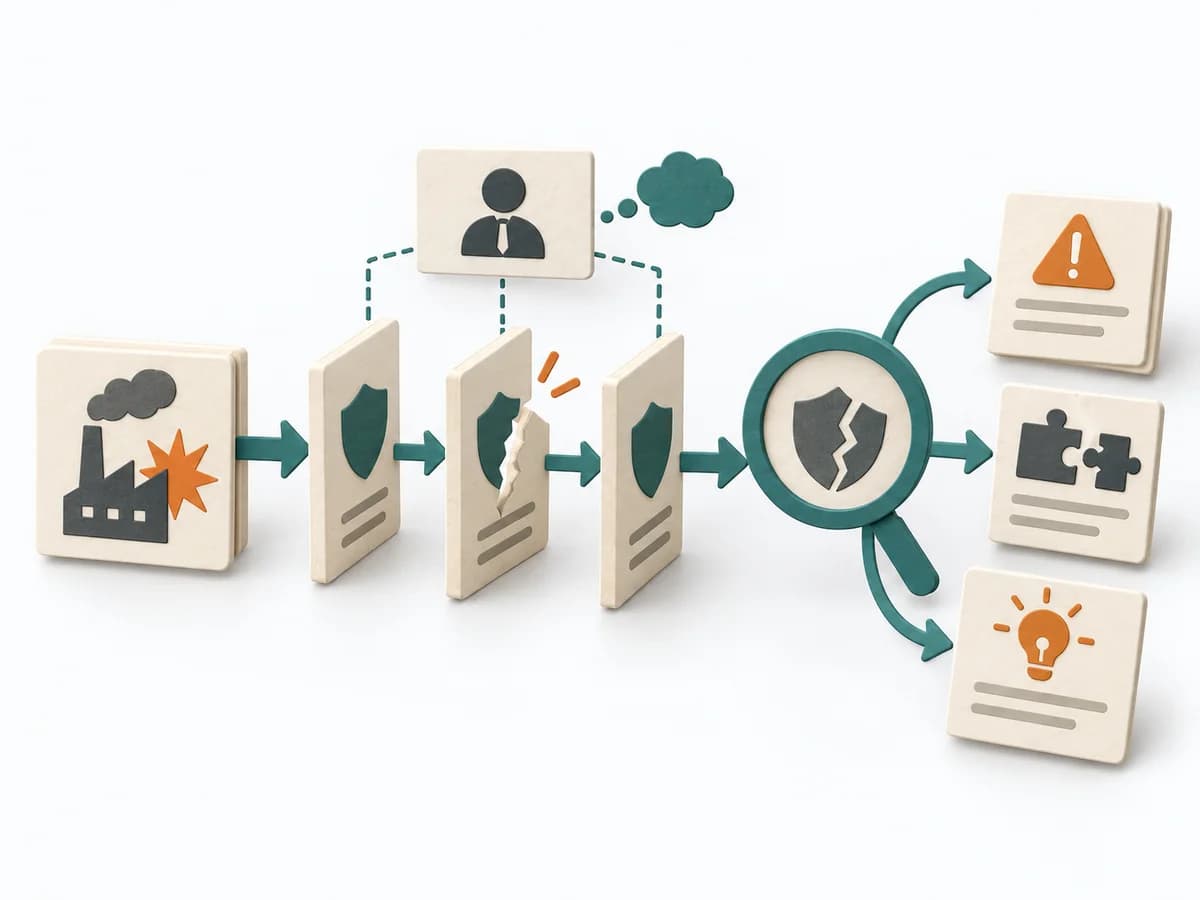 Operations MORT Analysis |  Decision Making Assumption Surfacing |
|---|---|---|---|---|
Purposedifferent | When opportunities are still hidden behind signals of need, it structures conversations around needs and obstacles. It looks for patterns that lead to new product opportunities. | For a critical top event with several possible triggers, the method logically models failure paths. It makes visible which combinations of conditions can lead to damage. | For a safety-relevant event or a system with high protection requirements, the method examines where controls failed. It exposes both technical and organizational gaps. | Plans often contain assumptions that were never openly stated and remain dangerous precisely because of that. Assumption Surfacing makes these silent premises visible and prioritizes which of them carry the initiative or could sink it. |
Complexitydifferent | Medium | High | High | Low |
Timedifferent | 30-60 min je Interview | 2-6 h | Mehrere Tage bis Wochen | 45-90 min |
Participantsdifferent | 5-12 Interviews | 3-8 | 2-6 | 2-8 |
Formatsame | Workshop + async | Workshop + async | Workshop + async | Workshop + async |
Outputdifferent | Interview Notes, Opportunity Themes, Customer Quotes | Fault Tree, Critical Paths, Cause Hypotheses, Control Actions | MORT Worksheets, Findings per Branch, Corrective Actions, Systemic Recommendations | Assumption List, Critical Assumptions, Learning Plan |
Tagsno overlap | DiscoveryInterviewsOpportunityCustomer | RiskRoot causeSafety | Root causeSafetySystemicIncident | AssumptionsRiskDecisionDiscovery |