View methods side by side.
Choose up to four methods. Add them using the search and share the comparison by copying its link.
| Criterion | 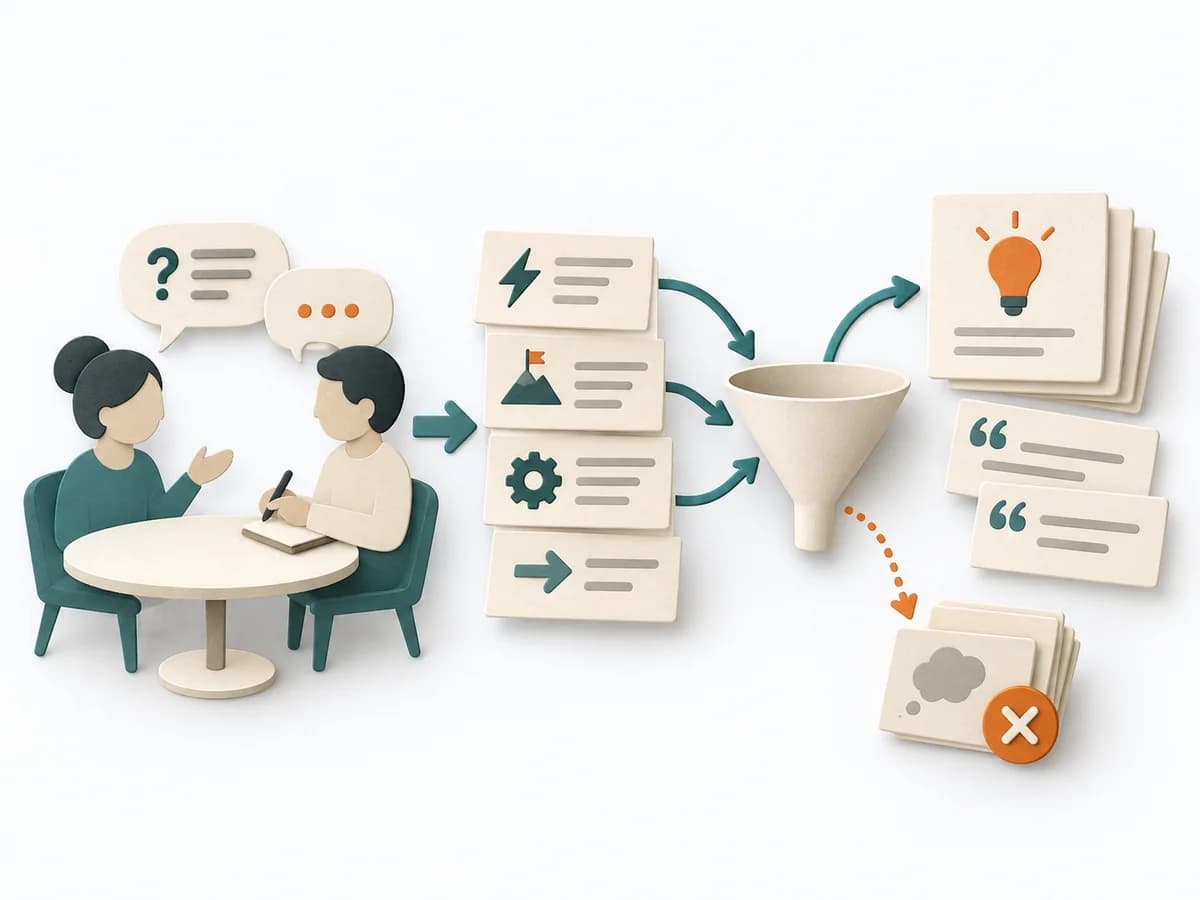 Product Discovery Opportunity Interview |  Domain Modeling Context Map | 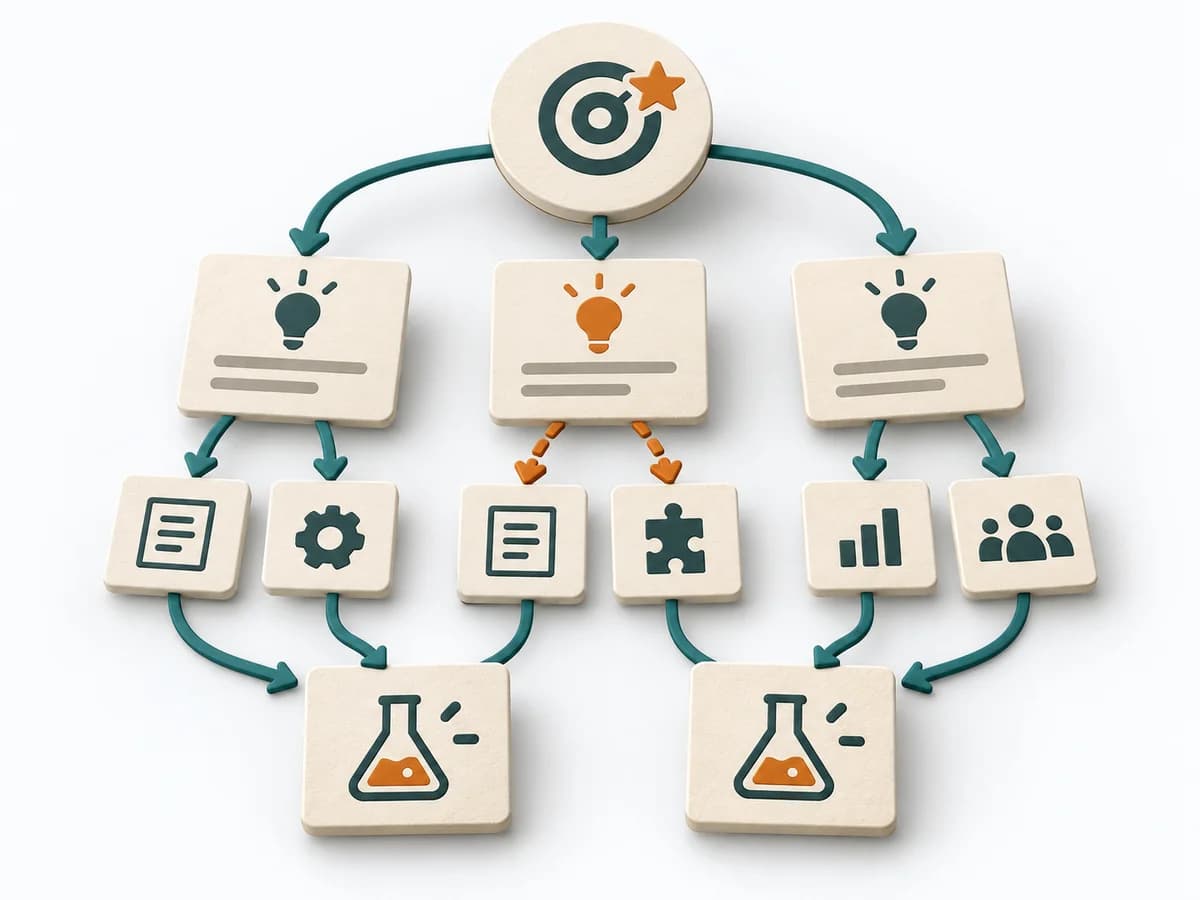 Product Discovery Opportunity Solution Tree | 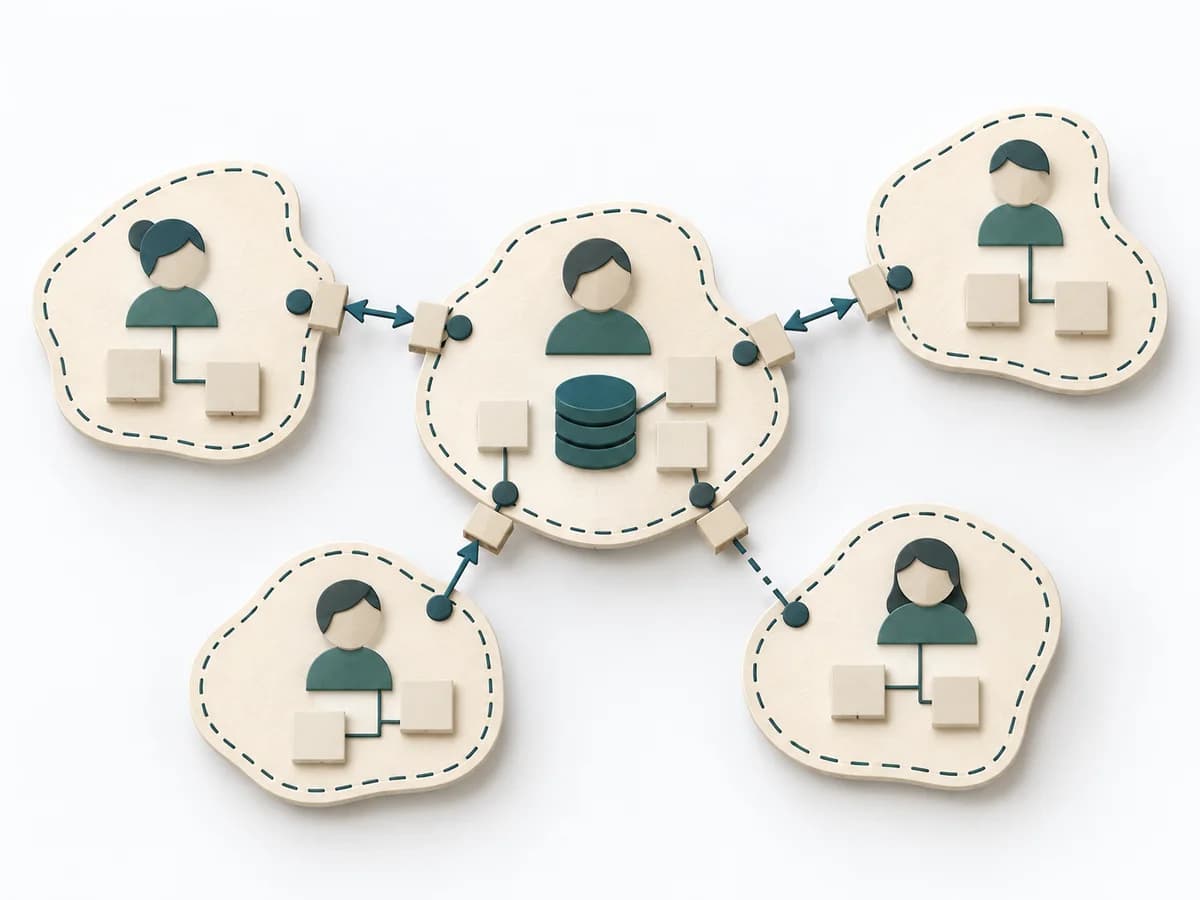 Domain Modeling Domain Context Map |
|---|---|---|---|---|
Purposedifferent | When opportunities are still hidden behind signals of need, it structures conversations around needs and obstacles. It looks for patterns that lead to new product opportunities. | When several contexts need to talk to each other, it makes their relationships and dependencies legible. It helps sort integration pressure and responsibilities across system boundaries. | When discovery keeps swinging between goals, ideas, and learning loops, it creates clear steering logic. It connects the desired outcome, opportunities, and experiments into a legible structure. | When a domain model and its associated contexts need to be thought through together, it creates a shared overview. It connects the business view and organizational boundary into a readable whole. |
Complexitysame | Medium | Medium | Medium | Medium |
Timedifferent | 30-60 min je Interview | 1-3 h | 1-2 h Setup, laufend | 1-3 h |
Participantsdifferent | 5-12 Interviews | 2-8 | 2-6 | 3-10 |
Formatdifferent | Workshop + async | Workshop + async | Workshop + async | Workshop |
Outputdifferent | Interview Notes, Opportunity Themes, Customer Quotes | Context Map, Integration Patterns, Boundary Notes | Opportunity Solution Tree, Experiment Backlog, Learning Log | Domain Context Map, Boundary Notes, Ownership Map |
Tagsno overlap | DiscoveryInterviewsOpportunityCustomer | Domain-Driven DesignBoundariesStrategy | DiscoveryOutcomesExperimentsOpportunity | Domain-Driven DesignContextBoundaries |