View methods side by side.
Choose up to four methods. Add them using the search and share the comparison by copying its link.
| Criterion |  Facilitation Open Space Technology | 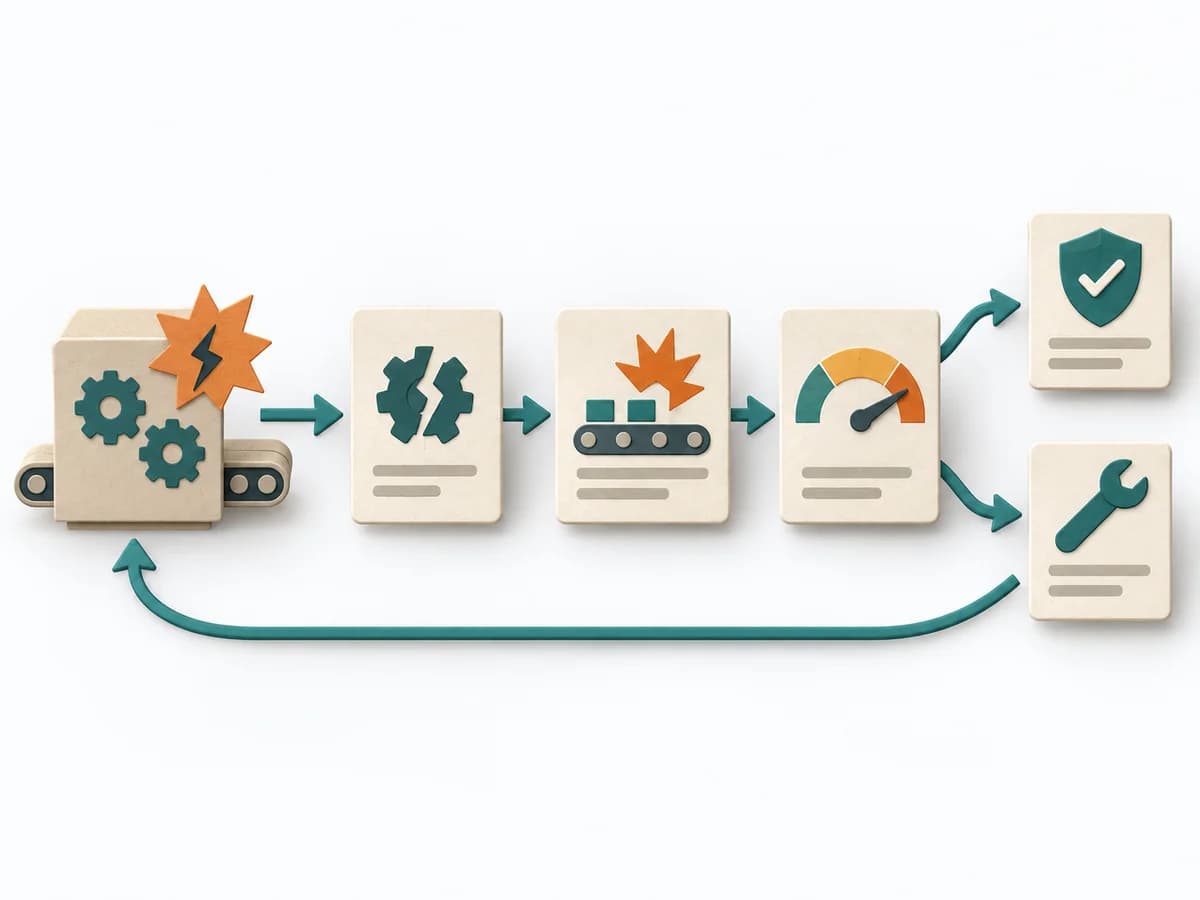 Operations Failure Mode and Effects Analysis | 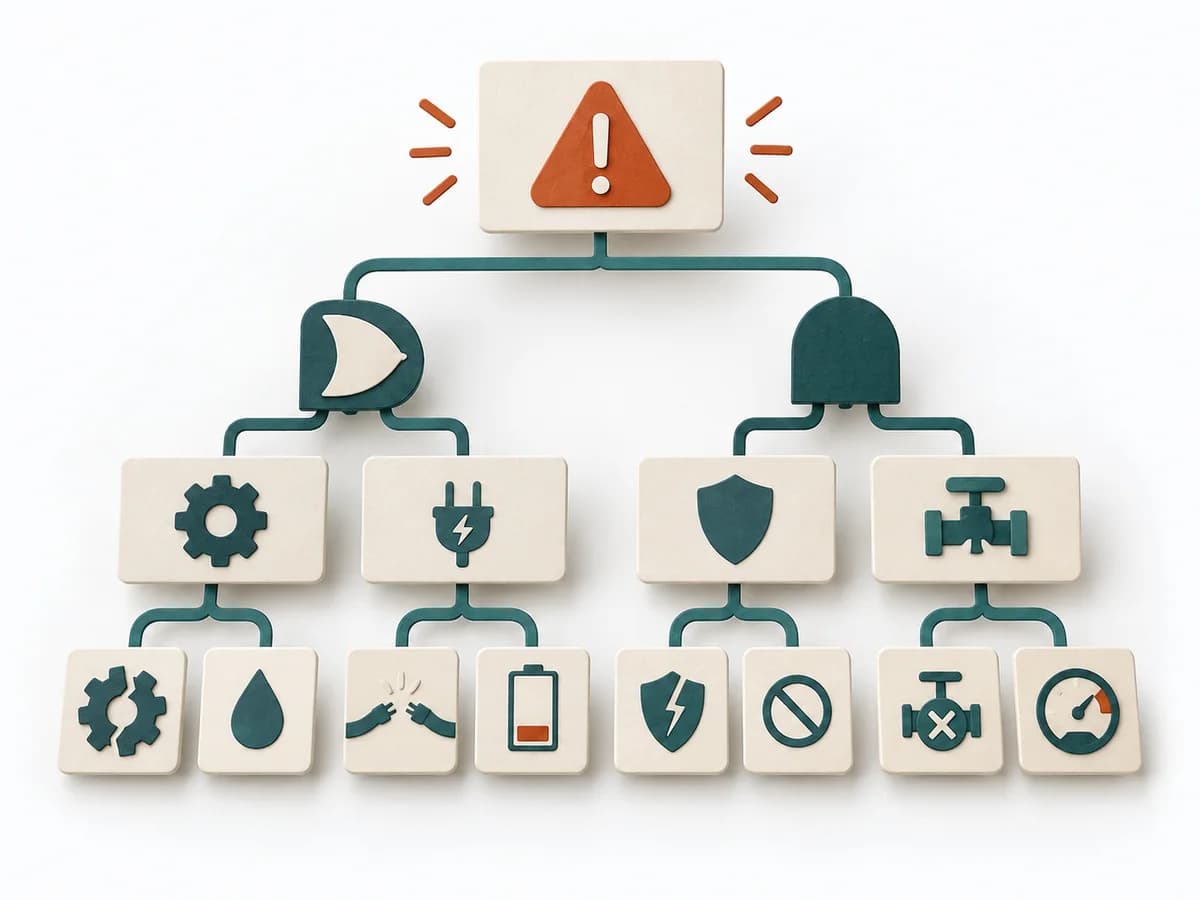 Operations Fault Tree Analysis | 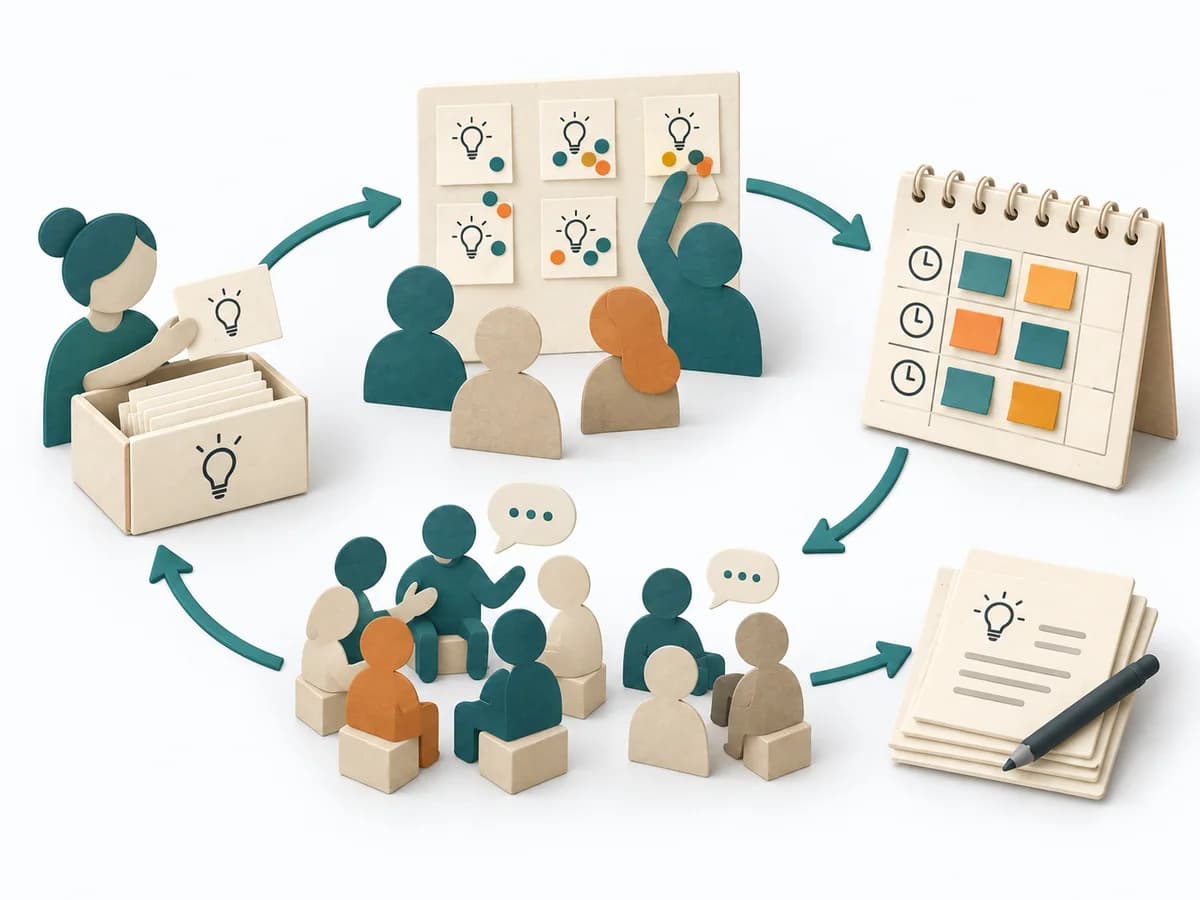 Facilitation Barcamp |
|---|---|---|---|---|
Purposedifferent | When a complex topic does not yet have a fitting agenda, Open Space Technology hands topic ownership back to the participants. The format suits questions that only move forward when real interest determines the order. | For a process, product, or service with noticeable failure risks, the method assesses possible failure modes in advance. It directs attention to combinations of occurrence, effect, and detectability. | For a critical top event with several possible triggers, the method logically models failure paths. It makes visible which combinations of conditions can lead to damage. | When many people can contribute knowledge and the flow should stay open, Barcamp provides a framework for self-organized sessions. The format channels energy without defining the content too narrowly in advance. |
Complexitydifferent | High | High | High | Medium |
Timedifferent | 0.5-2 Tage | 2-6 h | 2-6 h | Halber Tag bis 2 Tage |
Participantsdifferent | 20-500+ | 3-10 | 3-8 | 15-200 |
Formatdifferent | Workshop | Workshop | Workshop + async | Workshop |
Outputdifferent | Session Marketplace, Proceedings, Action Topics | FMEA Table, Risk Priority, Mitigation Actions | Fault Tree, Critical Paths, Cause Hypotheses, Control Actions | Session Board, Session Notes, Community Learnings |
Tagsno overlap | FacilitationLarge groupAutonomy | RiskQualityOperationsRoot cause | RiskRoot causeSafety | FacilitationLarge groupLearning |