View methods side by side.
Choose up to four methods. Add them using the search and share the comparison by copying its link.
| Criterion | 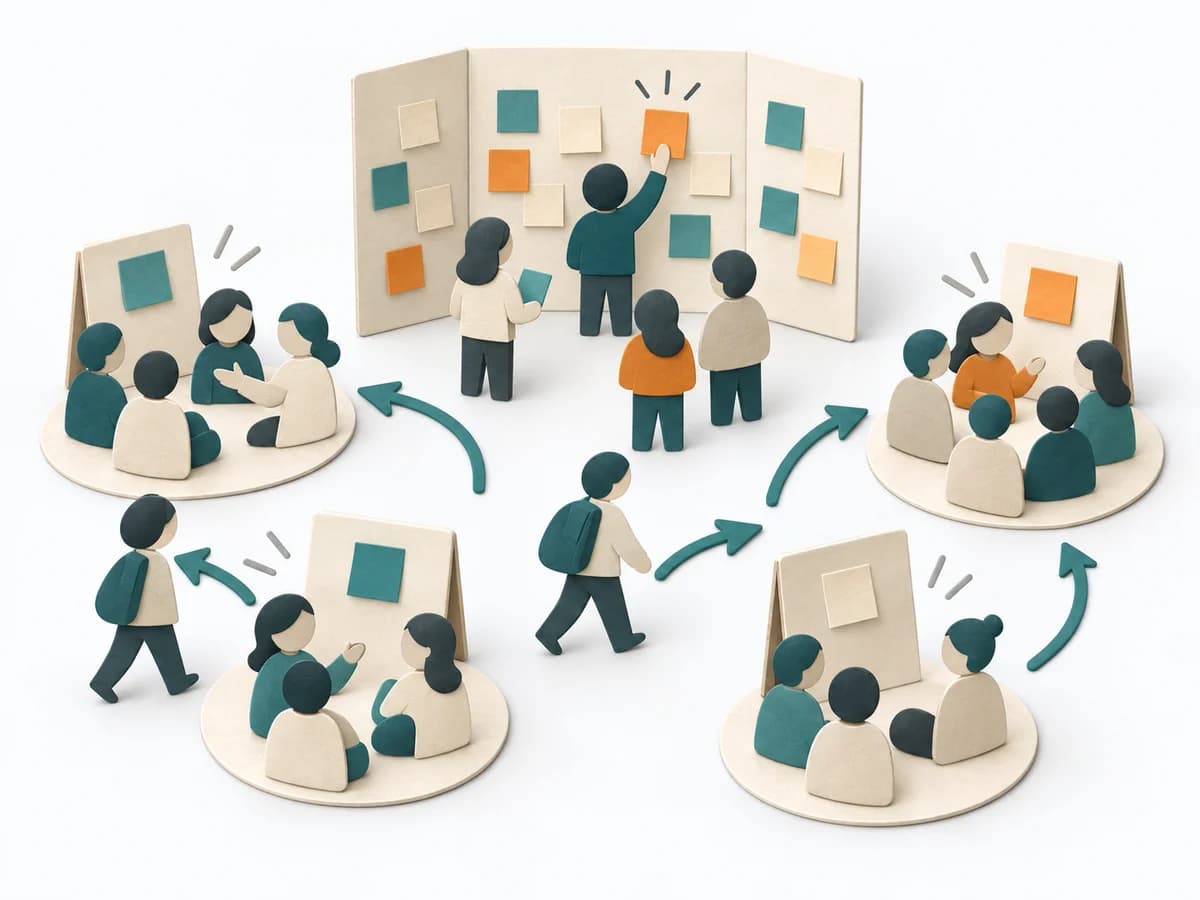 Facilitation Open Space Technology | 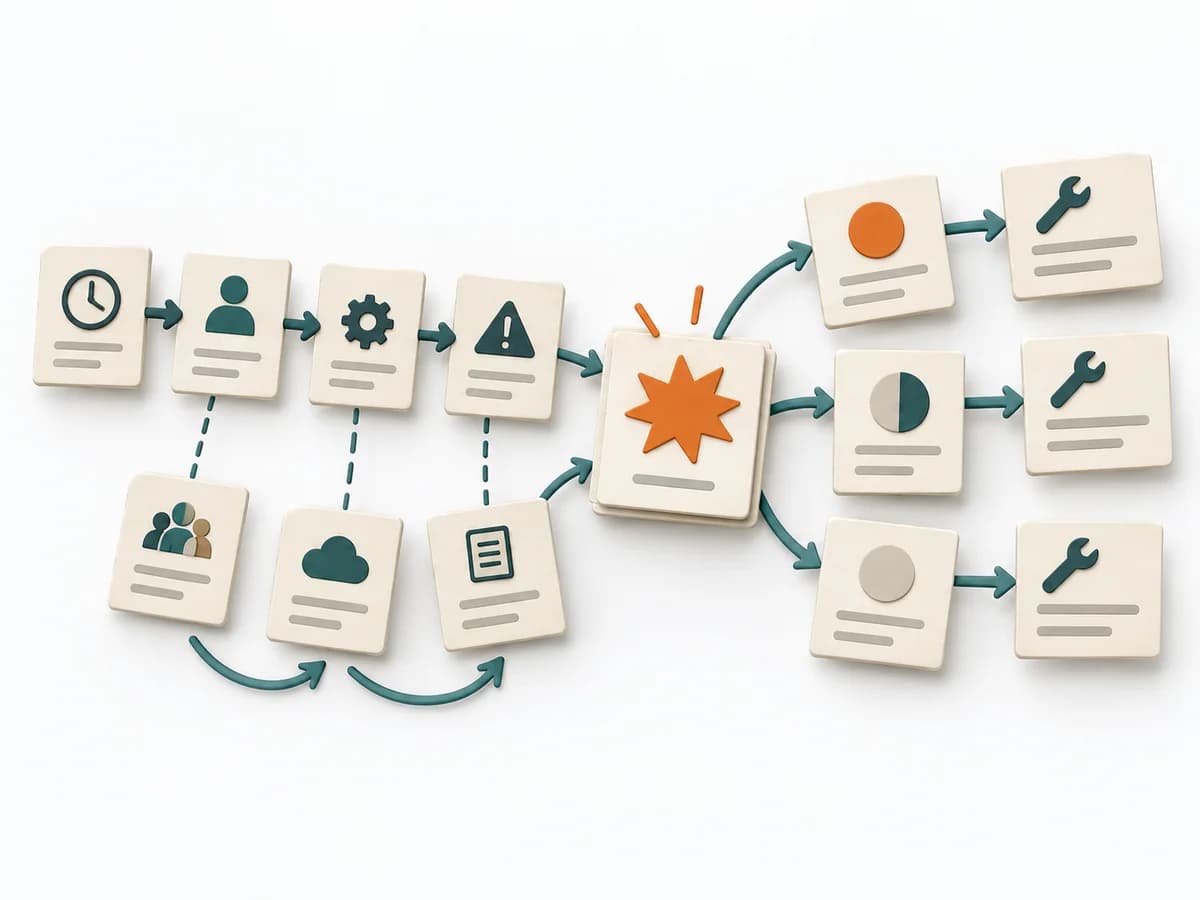 Operations Causal Factor Analysis | 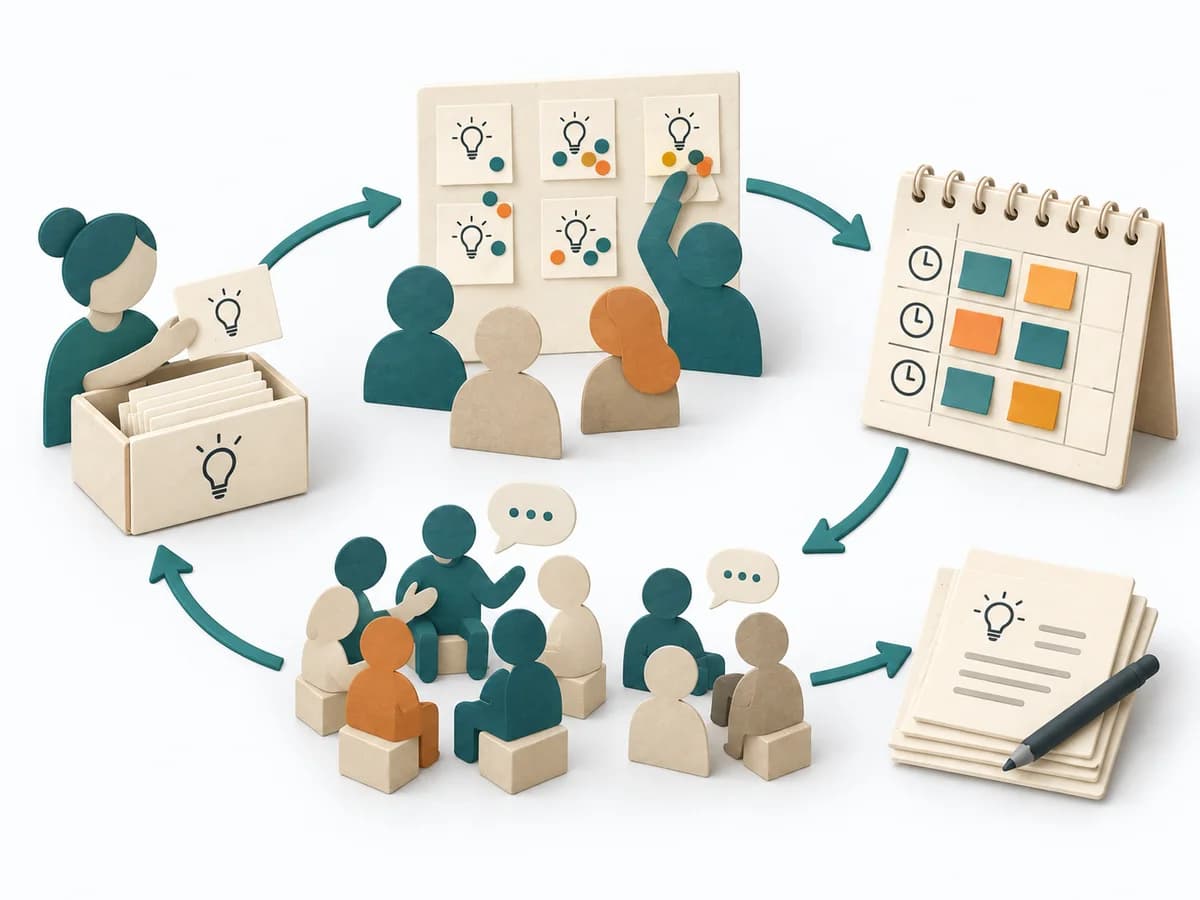 Facilitation Barcamp |  Operations Barrier Analysis |
|---|---|---|---|---|
Purposedifferent | When a complex topic does not yet have a fitting agenda, Open Space Technology hands topic ownership back to the participants. The format suits questions that only move forward when real interest determines the order. | For an event with a complicated course, the method breaks down the contributing factors along the timeline. It shows how conditions, decisions, and reactions together produce a course of events. | When many people can contribute knowledge and the flow should stay open, Barcamp provides a framework for self-organized sessions. The format channels energy without defining the content too narrowly in advance. | For a risk that can only be managed through multiple layers of protection, the method examines the effectiveness of each barrier. It shows where safeguards are missing, too weak, or fail under real conditions. |
Complexitydifferent | High | High | Medium | Medium |
Timedifferent | 0.5-2 Tage | 2-6 h | Halber Tag bis 2 Tage | 2-4 h |
Participantsdifferent | 20-500+ | 3-10 | 15-200 | 2-6 |
Formatdifferent | Workshop | Workshop + async | Workshop | Workshop + async |
Outputdifferent | Session Marketplace, Proceedings, Action Topics | Event Timeline, Causal Factor Chart, Cause List, Corrective Actions | Session Board, Session Notes, Community Learnings | Barrier Inventory, Failure Analysis per Barrier, Action Backlog |
Tagsno overlap | FacilitationLarge groupAutonomy | CausalityIncidentRoot causeTimeline | FacilitationLarge groupLearning | Root causeSafetyIncident |