View methods side by side.
Choose up to four methods. Add them using the search and share the comparison by copying its link.
| Criterion |  Decision Making OODA Loop | 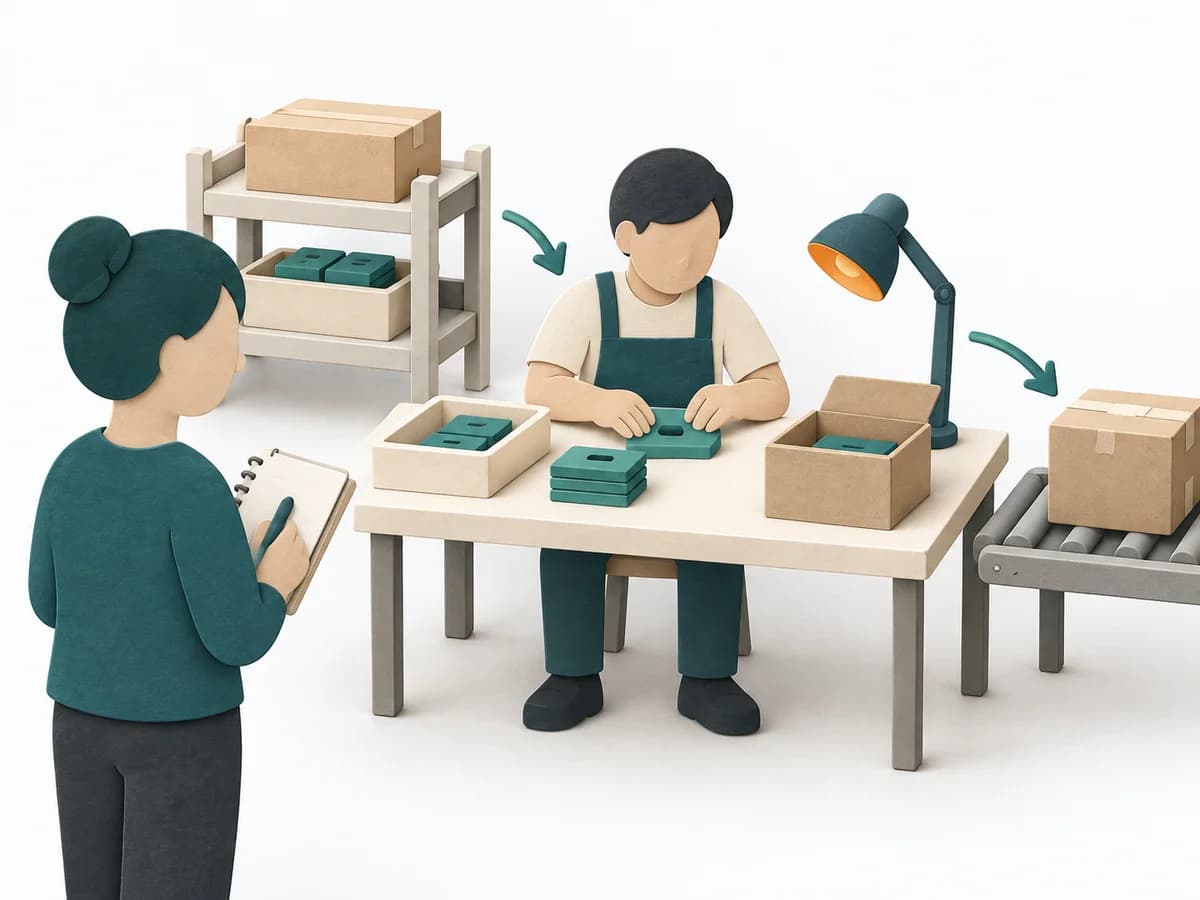 Operations Gemba Walk |  Decision Making Delphi Method |  Decision Making Force Field Analysis |
|---|---|---|---|---|
Purposedifferent | In dynamic situations, decisions become outdated faster than they can be prepared. The OODA Loop holds observing, orienting, deciding, and acting together as a recurring rhythm so reaction does not slide into inertia. | When there is uncertainty about the real course of a process, the method brings observation to the place where work happens. It combines perception, follow-up questions, and process knowledge so decisions rest on actual workflows instead of assumptions. | When knowledge is distributed and direct dominance should be avoided, groups quickly fall under the sway of their opinion leaders. The Delphi Method gathers assessments iteratively and gradually brings expert judgments closer together. | In change initiatives, supporting and restraining forces sit at the table at the same time. Force Field Analysis makes these tensions explicit and shows where change can be pushed forward by strengthening or relieving. |
Complexitydifferent | Medium | Low | High | Low |
Timedifferent | 15-60 min je Zyklus | 30-120 min | 1-4 Wochen | 45-90 min |
Participantsdifferent | 1-8 | 2-6 | 6-30 Experten | 3-12 |
Formatdifferent | Workshop + async | Workshop | Async | Workshop |
Outputdifferent | Situation Assessment, Decision Loop, Action Updates | Observation Notes, Improvement Ideas | Expert Forecast, Consensus Range, Assumption Notes | Force Field Map, Change Levers, Risk Notes |
Tagsno overlap | DecisionChangeLearningStrategy | LeanObservationProcessOperations | ForecastingExpertsDecisionStrategy | ChangeDecisionStrategy |