View methods side by side.
Choose up to four methods. Add them using the search and share the comparison by copying its link.
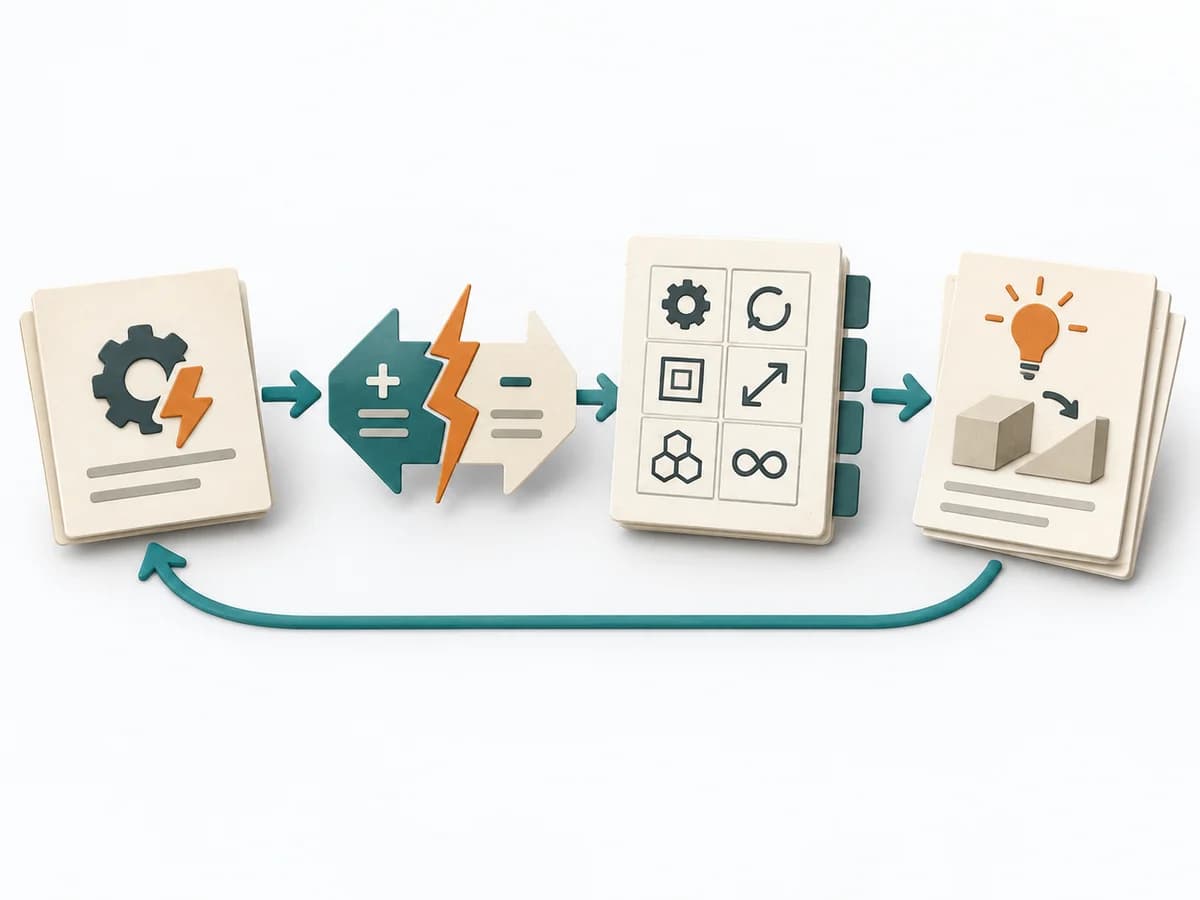
| Criterion |  Product Discovery Outcome-Driven Innovation | 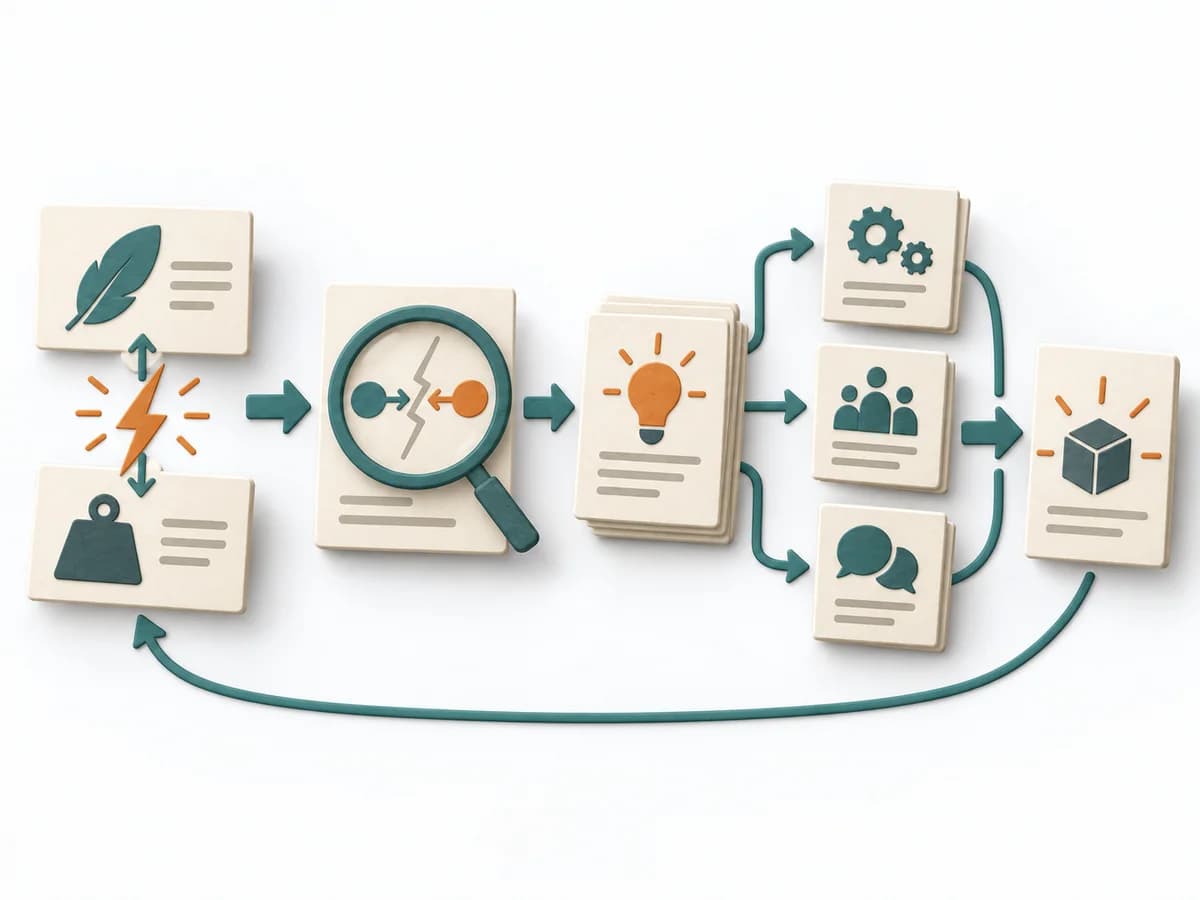 Innovation Contradiction Analysis | 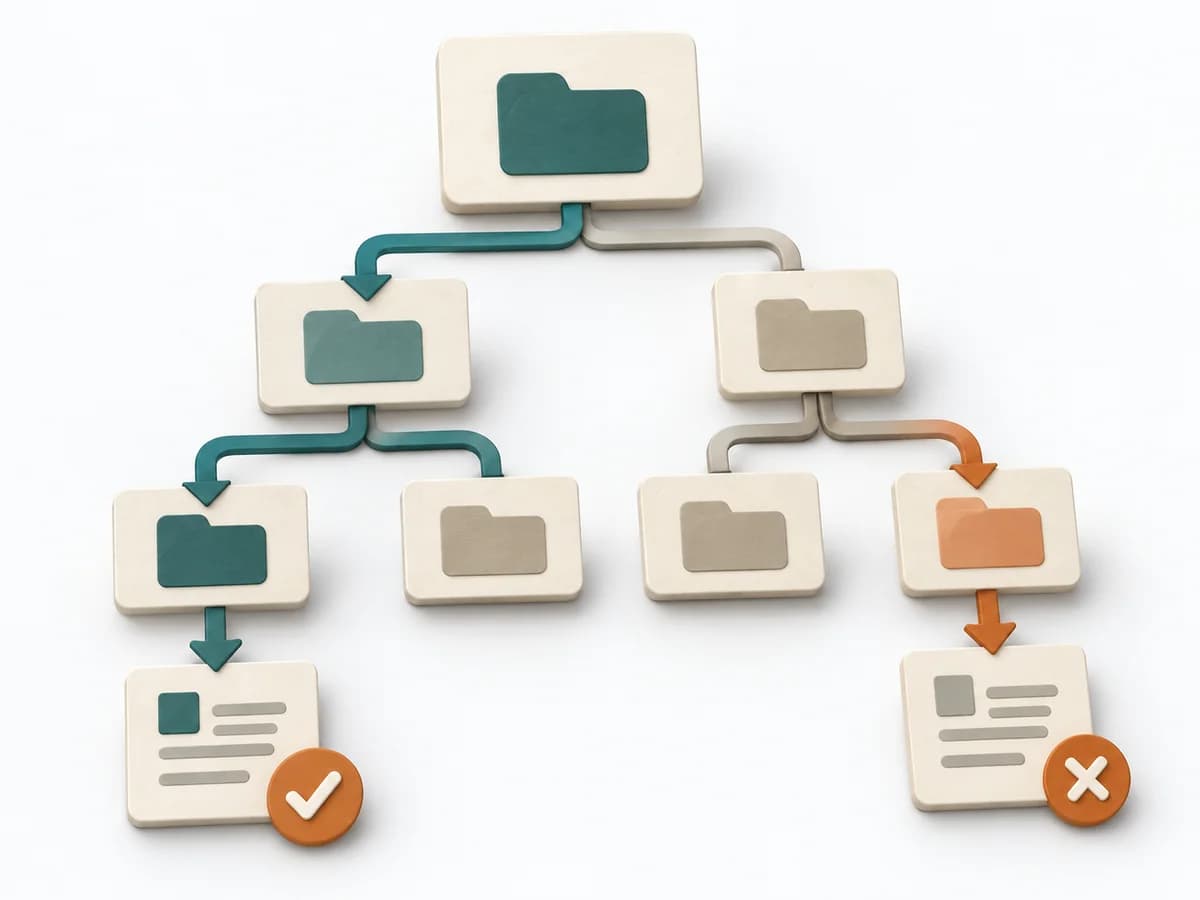 UX Research Tree Testing |
|---|---|---|---|
Purposedifferent | Outcome-Driven Innovation clarifies customer problems, solution opportunities, and evidence. It separates jobs, desired outcomes, importance, satisfaction, and opportunity, and captures results as desired outcome statements, an opportunity landscape, and segments by underserved needs. | When a system should improve while another measure suffers as a result, the method makes the underlying conflict precisely formulable. It separates the desired effect from its side effect. This makes solutions possible that address the contradiction deliberately instead of half-heartedly. | When a navigation exists but search paths still fail, tree testing checks findability without visual distraction. The method shows whether labels, levels, and paths really lead to the intended destination. |
Complexitydifferent | High | Medium | Medium |
Timedifferent | Mehrere Wochen | 60-120 min | 1-2 Tage |
Participantsdifferent | 2-6 researchers plus sample | 2-8 | Based on research question |
Formatdifferent | Workshop + async | Workshop | Async |
Outputdifferent | Desired outcome statements, Opportunity landscape, Segmentation by underserved needs, Innovation hypotheses | Contradiction Statement, Abstraction Notes, Solution Principles, Concept Ideas | Findability Metrics, Path Analysis, Revised IA |
Tagsno overlap | OutcomesInnovationResearchQuantitative | ContradictionsInnovationProblem solving | Information architectureNavigationFindability |
Often compared together
Methods with strong topical overlap with the current selection, not yet in the comparison.