View methods side by side.
Choose up to four methods. Add them using the search and share the comparison by copying its link.
| Criterion | 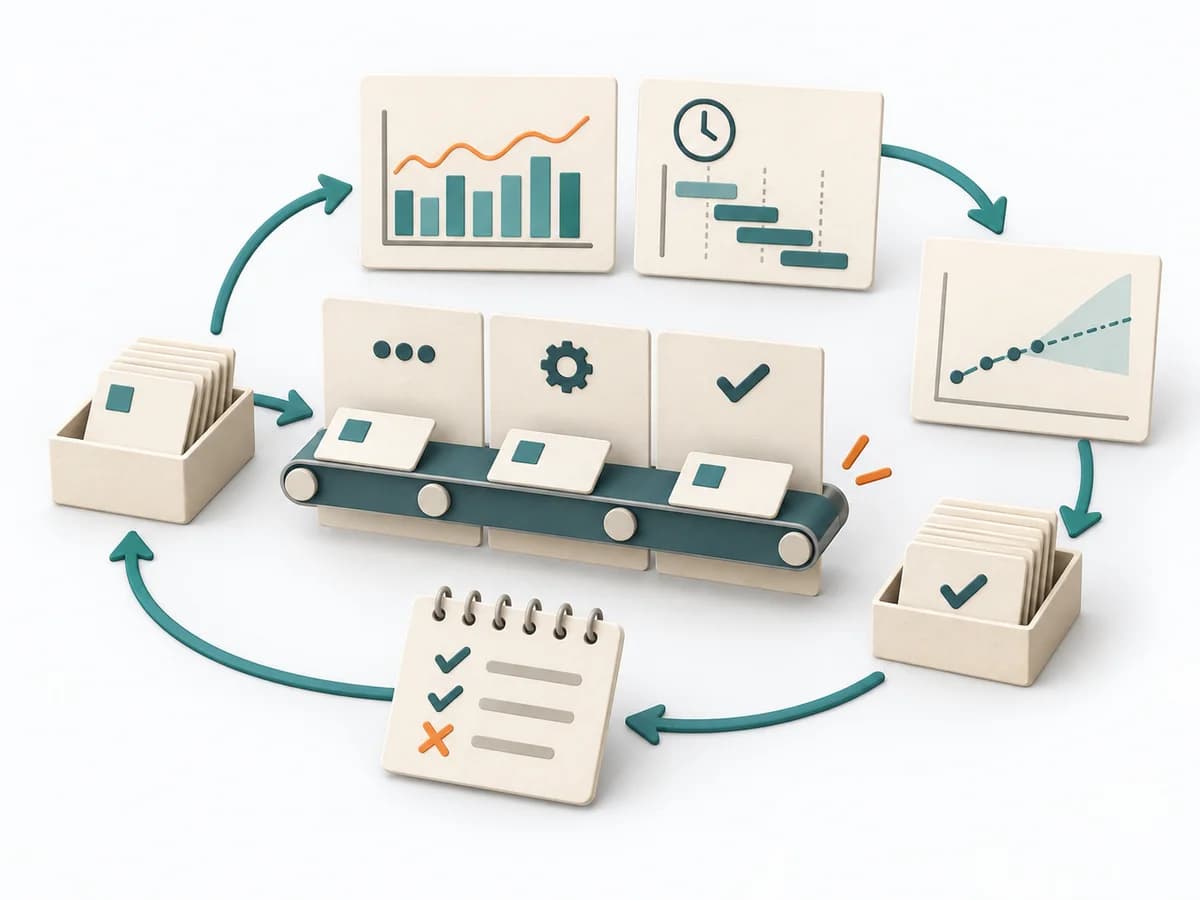 Agile NoEstimates | 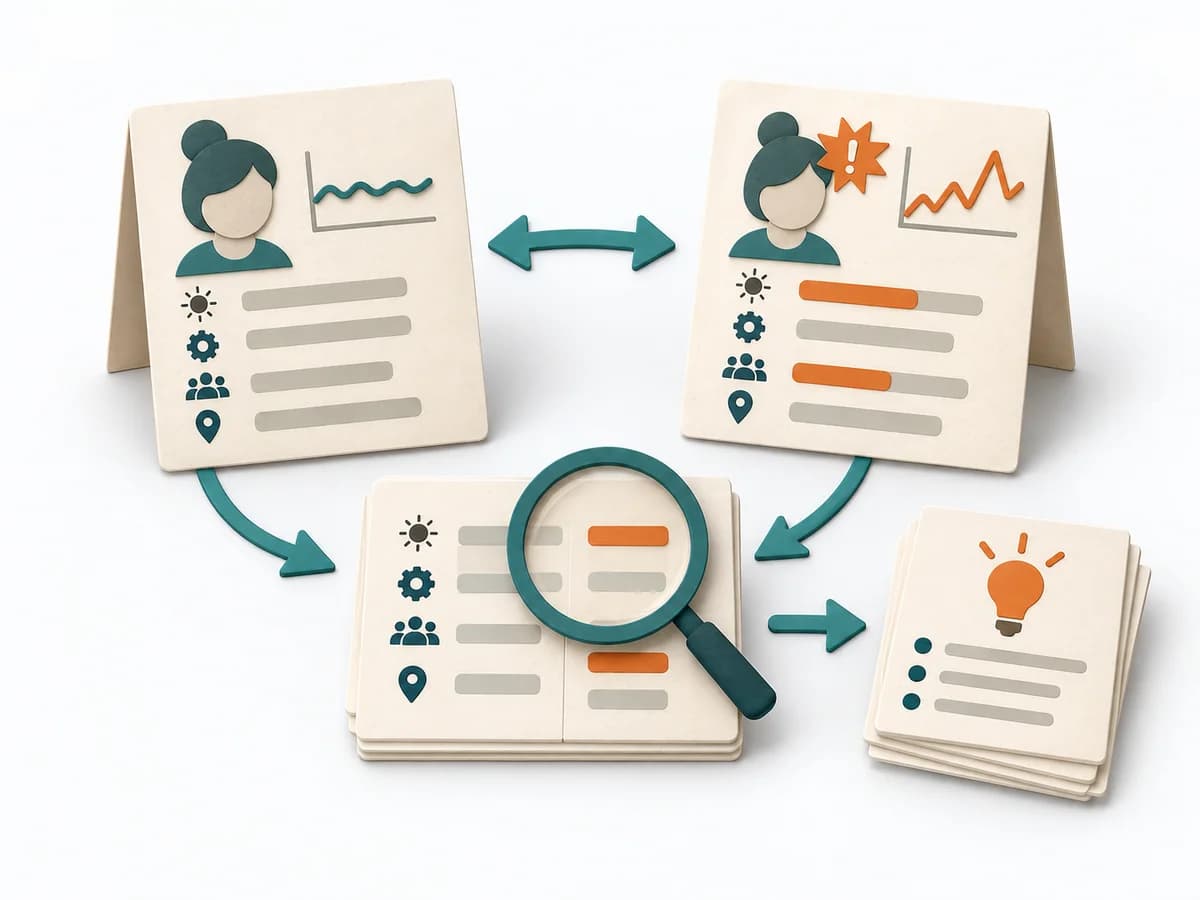 Operations Change Analysis | 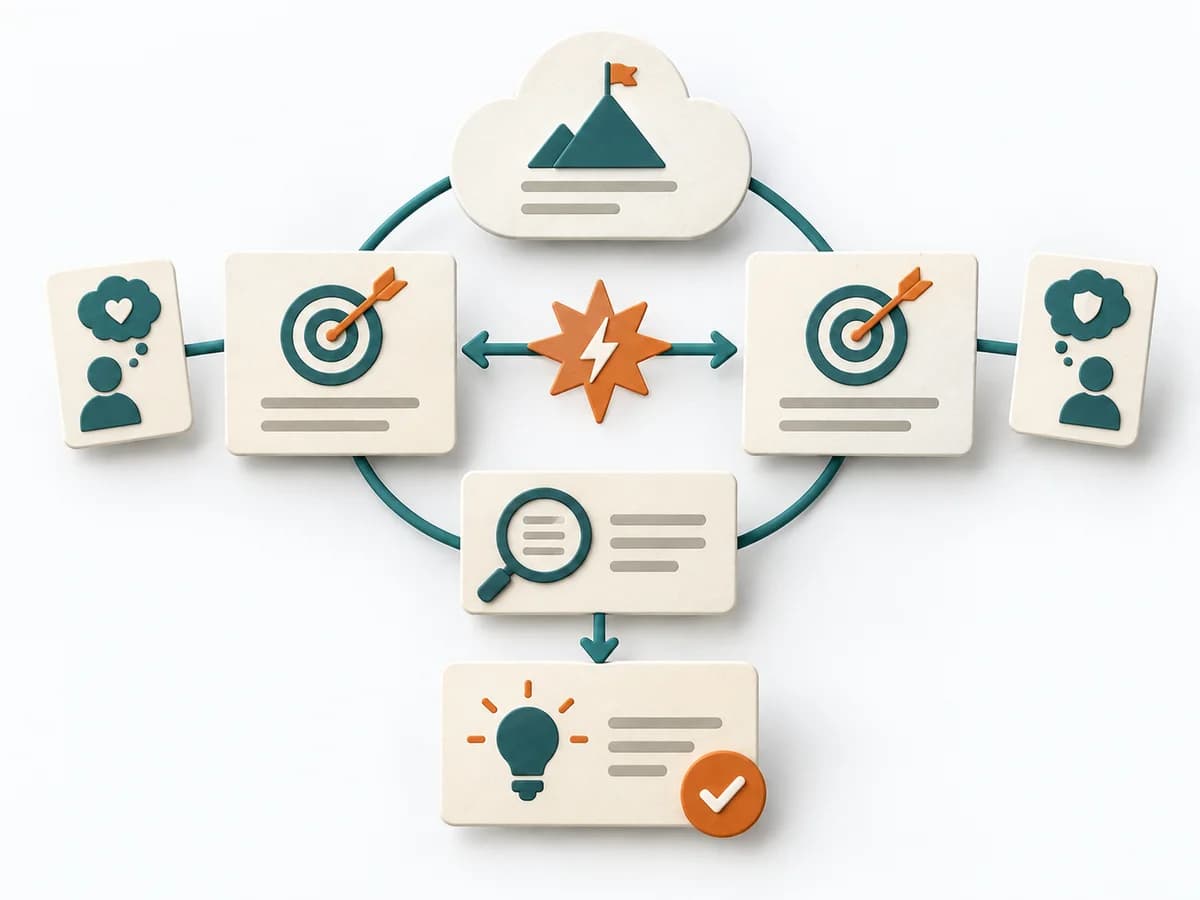 Systems Thinking Evaporating Cloud | 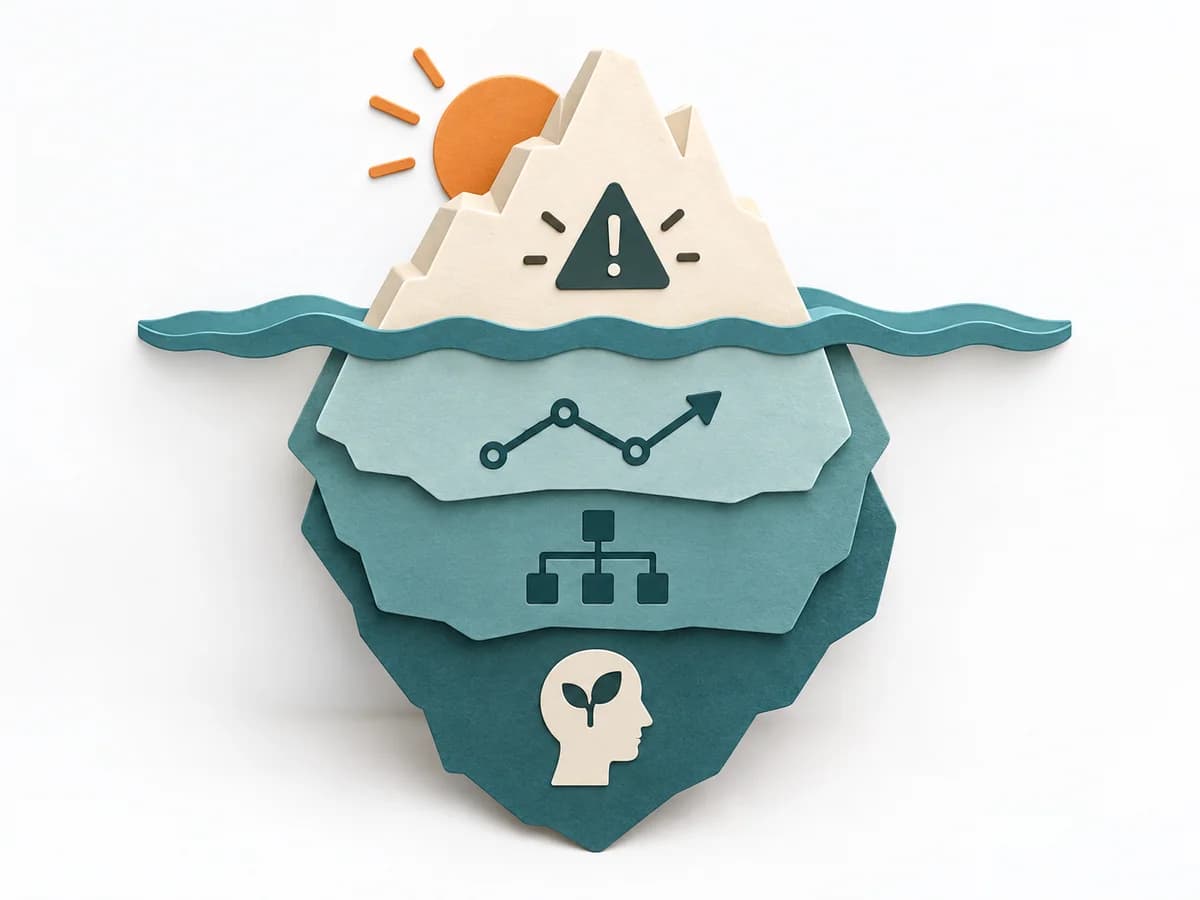 Systems Thinking Iceberg Model |
|---|---|---|---|---|
Purposedifferent | When estimating slows a team down more than it helps, it shifts the focus to flow, small slices, and real lead time. It sorts work by value, risk, and delivery ability. The result is captured as Throughput Data, Flow Forecast, and Slicing Rules. | For a deviation after a change, the method isolates the influence of the altered condition. It narrows down which differences are relevant and which are just accompanying noise. | The method makes visible why two seemingly incompatible demands arise and which assumption must be tested to resolve the conflict. | The Iceberg Model separates visible events from patterns, structures, and mental models. This turns a single observation into a deeper understanding of why a problem keeps recurring. |
Complexitydifferent | Medium | Medium | Medium | Low |
Timedifferent | laufend | 45-120 min | 60-120 min | 30-60 min |
Participantsdifferent | 2-12 | 2-6 | 2-8 | 2-10 |
Formatdifferent | Workshop + async | Workshop + async | Workshop | Workshop + async |
Outputdifferent | Throughput Data, Flow Forecast, Slicing Rules | Change Matrix, Cause Hypotheses, Validation Questions, Action List | Conflict Cloud, Assumption List, Breakthrough Ideas, Next Experiments | Iceberg Worksheet, Pattern Notes, Intervention Ideas |
Tagsno overlap | EstimationForecastingFlow | ChangeRoot causeTroubleshootingComparison | Theory of ConstraintsAssumptionsSystems thinking | Systems thinkingRoot causePatterns |