View methods side by side.
Choose up to four methods. Add them using the search and share the comparison by copying its link.
| Criterion | 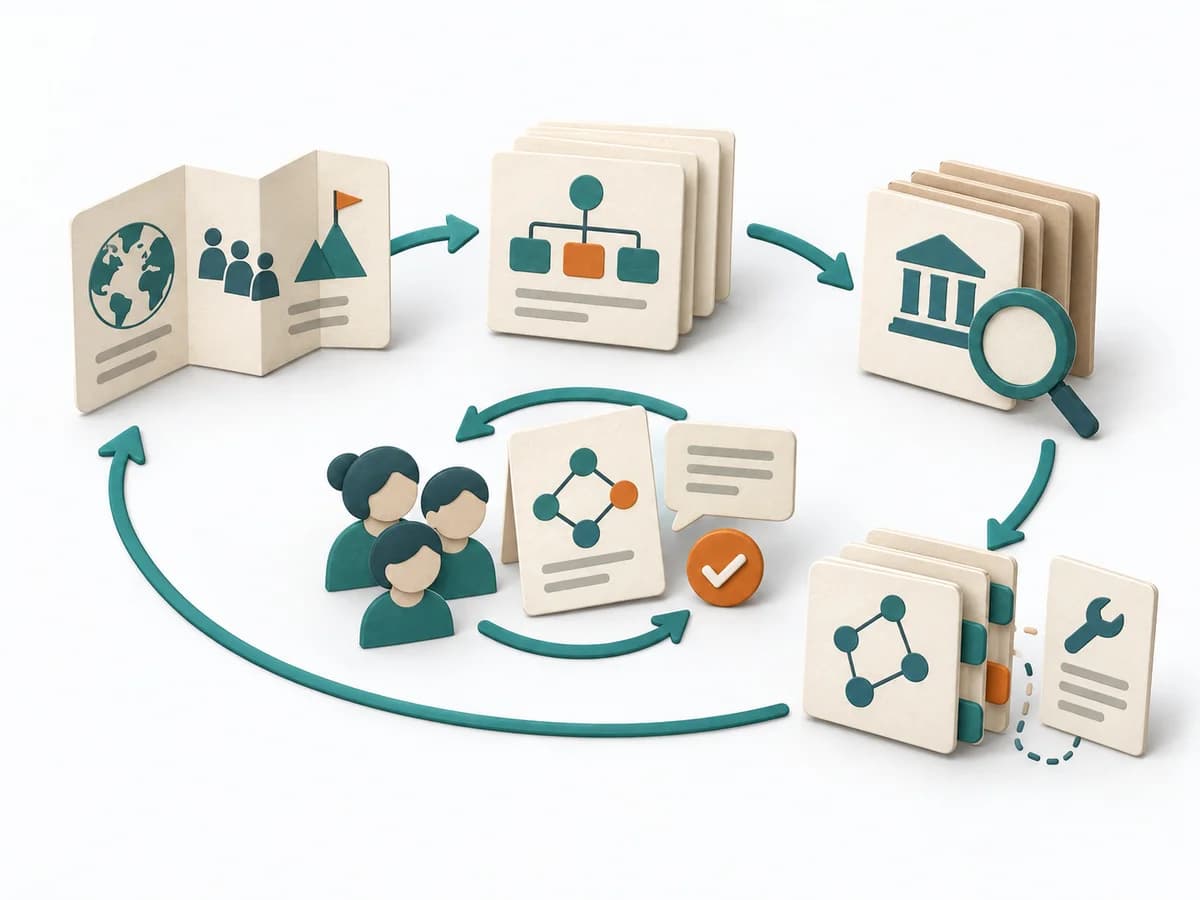 Knowledge Modeling NeOn Methodology | 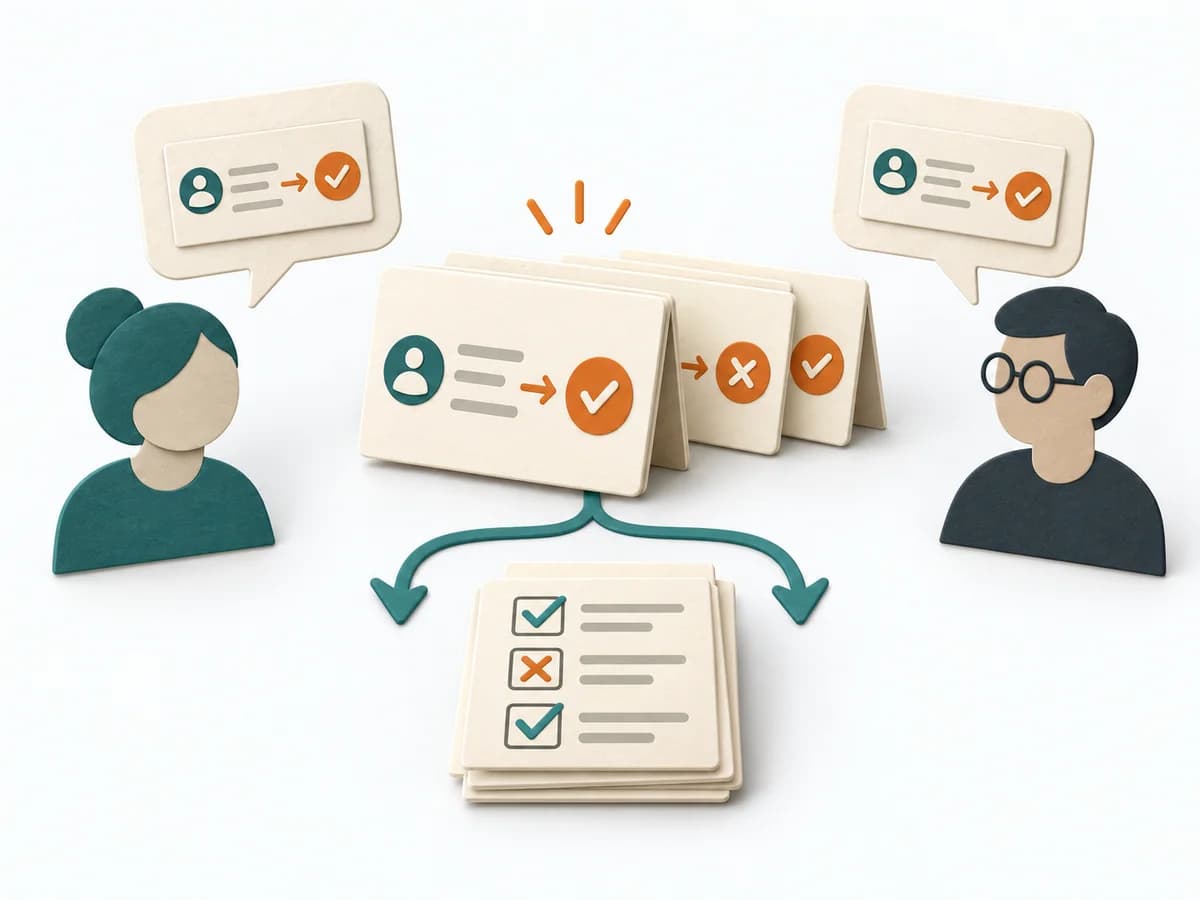 Agile Specification by Example | 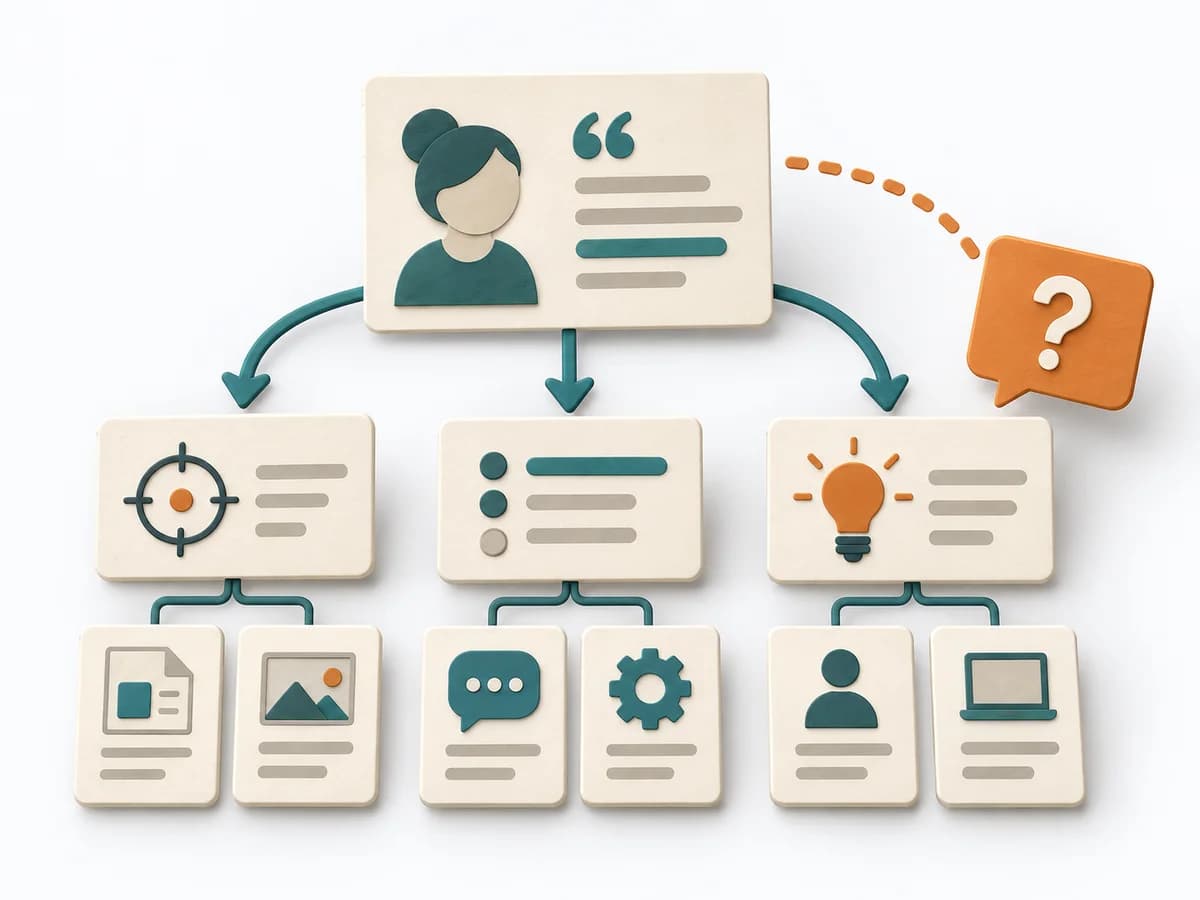 Agile Example Mapping | 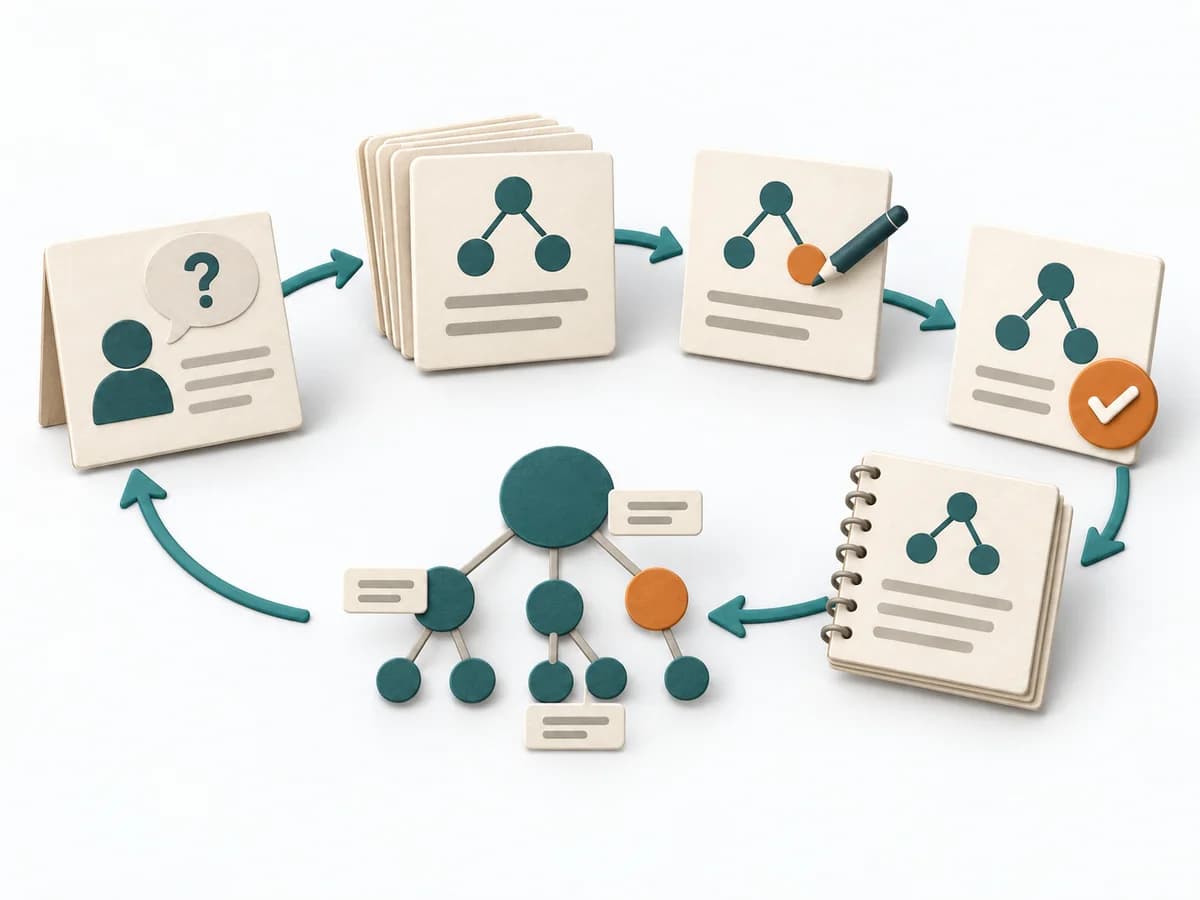 Knowledge Modeling Ontology Design Patterns |
|---|---|---|---|---|
Purposedifferent | The NeOn Methodology structures ontology work as a controlled process with reuse, scenarios, and reviews. It is useful when ontologies should not emerge ad hoc but modularly and reusably. | When business rules need to become precise, it ties language, example, and test together. It sorts work by value, risk, and delivery ability. The result is captured as an Example Table and Acceptance Tests. | When a story carries business rules and exceptions, it brings clarity before implementation. It makes examples, open questions, and boundaries visible enough that the logic becomes jointly sound. | Ontology Design Patterns provide reusable building blocks for recurring modeling problems. The method brings structure to the search for clean concepts, relationships, and roles. |
Complexitydifferent | High | Medium | Low | Medium |
Timedifferent | Mehrere Wochen bis Monate | 60-90 min pro Feature | 30-60 min | 1-3 h pro Pattern |
Participantsdifferent | 2-10 | 3-6 | 3-7 | 1-6 |
Formatdifferent | Workshop + async | Workshop | Workshop | Workshop + async |
Outputdifferent | Ontology Requirements Specification, Reuse Plan, Ontology Modules, Evaluation Report | Example Table, Acceptance Tests | Example Map, Acceptance Criteria, Open Questions | Selected Patterns, Adapted Schema Fragments, Pattern Documentation |
Tagsno overlap | OntologyMethodologyReuseSemanticEngineering | AgileRequirementsExamplesBehavior-Driven Development | Behavior-Driven DevelopmentRequirementsExamplesRefinement | OntologyPatternsReuseSemanticModeling |